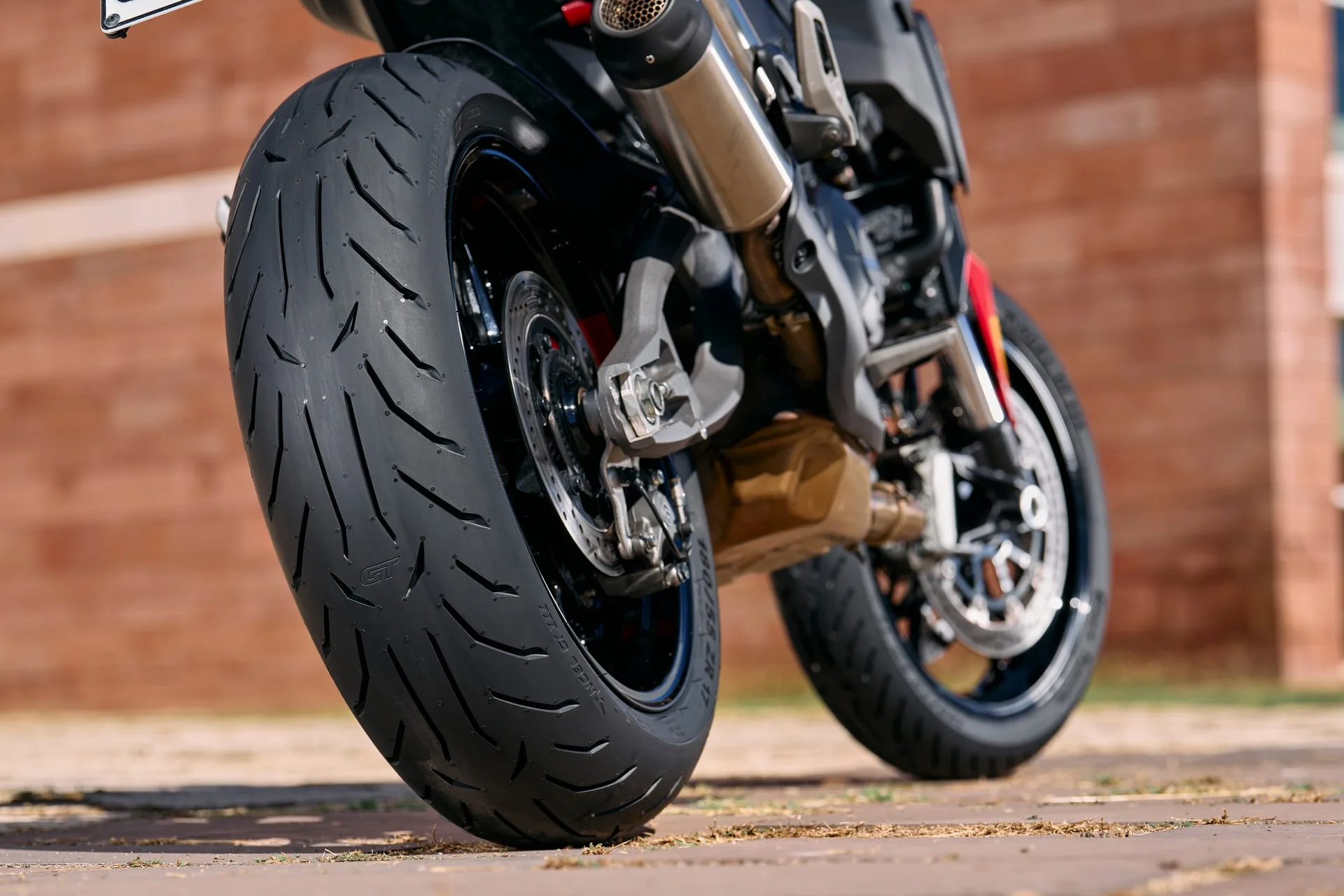
Pirelli has introduced the Angel GT III, a radial sport-touring motorcycle tyre scheduled to become available from early 2027. Announced on November 4, the new generation focuses on easier handling, wet-road performance, comfort and consistent behaviour as the tyre wears. These are Pirelli’s development claims; the launch announcement is not an independent road test.
For Canadian riders planning next season’s maintenance, the news adds a product to watch rather than a reason to replace a serviceable set immediately. The buying decision will depend on the sizes offered for a particular motorcycle, Canadian stock and the installed price. An international release window does not establish the date a local shop will receive every fitment.
What Pirelli says has changed
The manufacturer’s release places the GT III after the Angel ST, Angel GT and Angel GT II in the family’s development. Its stated audience includes riders of mid- and large-displacement sport-touring, crossover and naked motorcycles. That is a broad set of uses, with different priorities even among owners of similar machines.
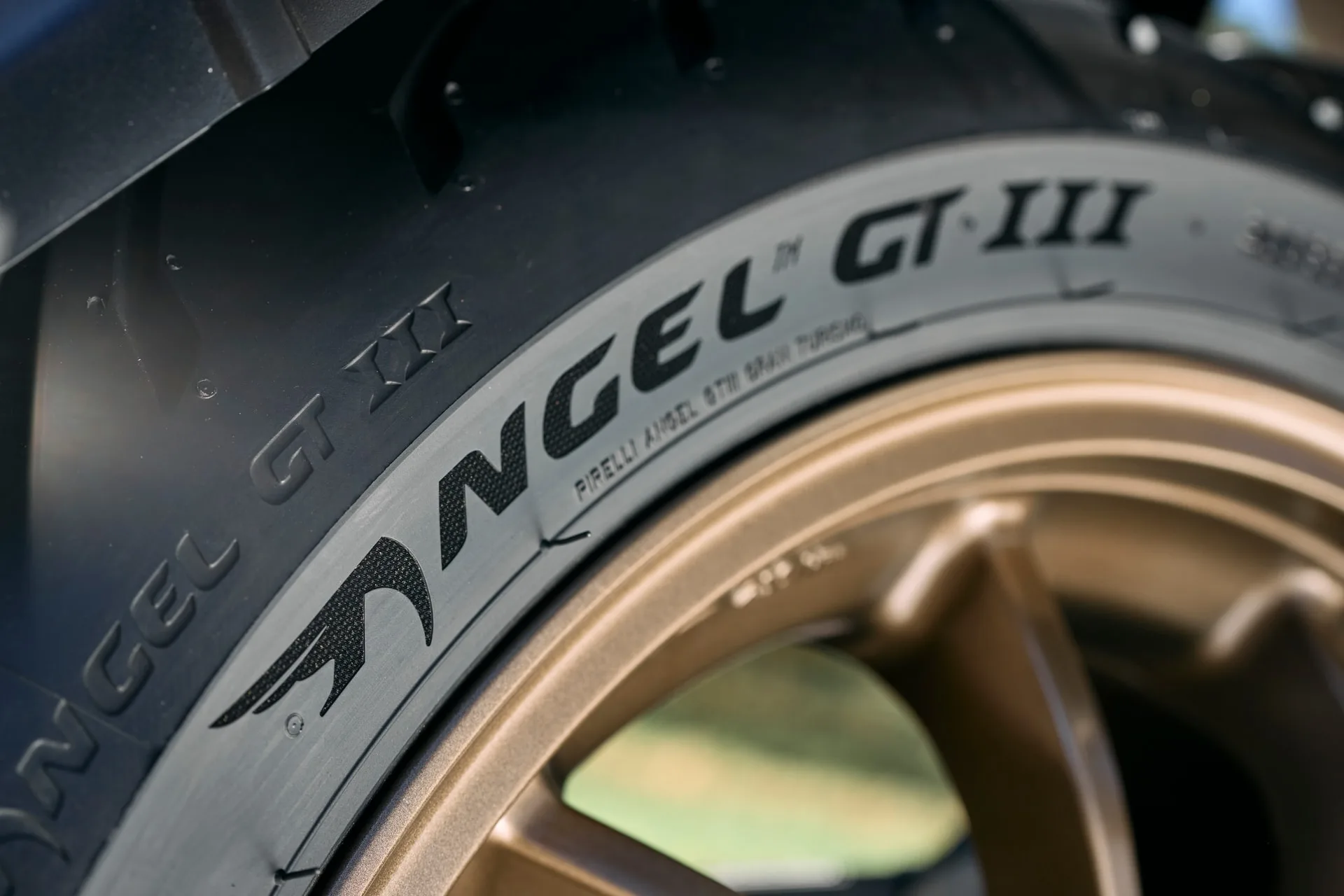
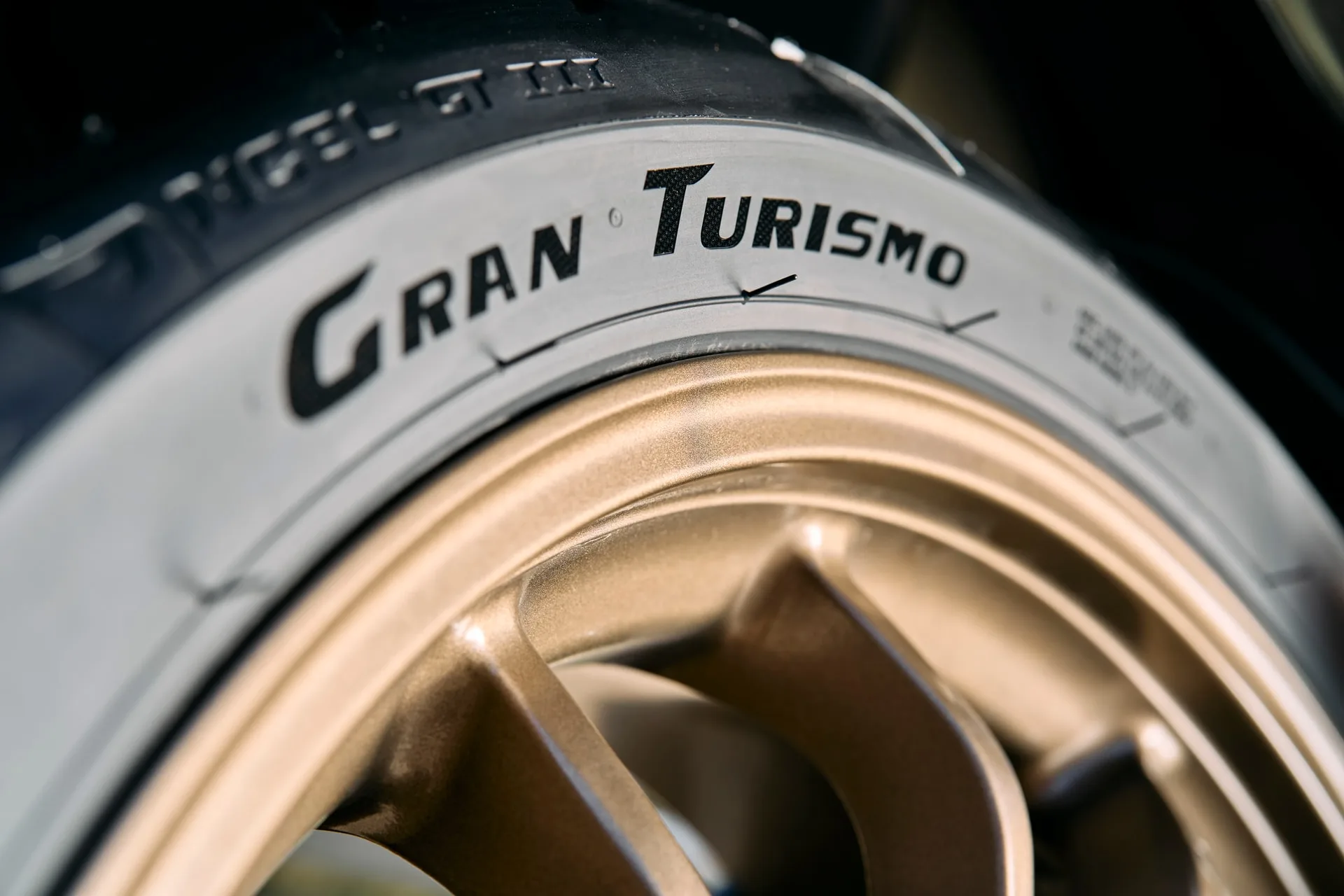
Pirelli says the new tyre is intended to make steering feel easier while maintaining precision. It also describes improvements in wet conditions and more uniform performance through the tyre’s service life. Rear-tyre development addresses durability and rolling noise. A revised tread design and contrasting sidewall lettering distinguish the product visually.
The announcement does not give Canadian pricing, a guaranteed distance before replacement or quantified results that allow a buyer to calculate a personal improvement over an existing set. Those omissions matter because the purchasing question is more specific than whether a new product has been launched. Riders need to know what the new option offers on their own motorcycle and at what total cost.
Start with the motorcycle and the journey
A useful comparison begins with the motorcycle’s approved tyre requirements and the way it is used. A rider who spends most weekends on long highway trips may weigh comfort differently from someone who combines commuting with short, winding-road rides. The category label alone cannot settle that choice, even when both riders are considering the same tyre family.
Owners should have the shop identify the exact front and rear products being quoted, including their sizes and relevant ratings. That makes it possible to compare complete, compatible options. It also prevents a conversation about a newly announced range from drifting into an assumption that every version will suit every motorcycle mentioned in the release.
The launch’s emphasis on wet-road behaviour is relevant to touring plans that cannot always be rearranged around the forecast. Still, a manufacturer’s improvement claim does not establish how the tyre will feel to an individual rider. Road conditions, the motorcycle and its setup all form part of that experience. A purchase discussion should leave room for those differences rather than promise a universal result.
Consistency deserves attention
Pirelli’s focus on behaviour over the tyre’s life raises a useful ownership question: what changes does a rider notice between installation and replacement? A launch presentation describes the intended result. An owner’s assessment develops over repeated rides, while the tyre’s condition and the motorcycle’s maintenance continue to matter.
That makes notes about the current set useful before selecting the next one. A rider can record what worked well, what felt less satisfactory and which kinds of journeys dominate the season. Those observations give a fitter something concrete to discuss. They are more informative than assuming that a newer generation will automatically resolve every handling concern.
The same discipline applies to value. A purchase price is easy to compare, but a promised cost per kilometre would require reliable evidence about service life in comparable use. The launch does not provide a Canadian mileage guarantee. Buyers can compare installed quotes now, while treating any future longevity assessment as a separate question that needs appropriate evidence.
Plan the service before the season
For shops, the announcement provides a reason to review customer demand and fitment information before spring appointments fill. It does not justify promising delivery against an unconfirmed local allocation. Clear quotes can distinguish an available tyre from one that is merely expected, and can state what fitting work and other charges are included.
Riders can use the same conversation to arrange an inspection of their existing tyres. That inspection should determine whether replacement is needed on the machine’s actual condition and manufacturer guidance. Waiting for a new product should not become a substitute for addressing a tyre that already needs attention.
The Angel GT III therefore enters the 2027 planning conversation with a clear touring brief and several manufacturer-stated improvements. Its Canadian value will become easier to judge once fitments, supply and installed prices are established. Until then, the practical next step is to compare the right products for the motorcycle and ask the fitter specific questions about the journeys ahead.