Ontario snowmobilers have a detailed region-by-region outlook for the 2026-27 riding season from powersports writer Jeff McGirr, and the message is neither a promise of instant winter nor a reason to park the sled. Northern Ontario Travel published McGirr’s annual forecast on October 28, calling for a slow and volatile start in the south, a stronger January-to-February core, and better odds of durable late-season conditions across northern districts. The outlook is useful as a planning signal, but it is not a trail-opening notice and should not be treated as one.
The central tension: warmth versus lake effect
The forecast identifies a developing strong El Niño as the major source of uncertainty. Broad seasonal guidance associated with that pattern can favour milder conditions across much of Canada. Ontario, however, is not governed by a single province-wide switch. The Great Lakes can add moisture and produce intense local snow when sufficiently cold air crosses relatively warm water. That creates the possibility of a mild regional average and, at the same time, substantial snow in selected belts.
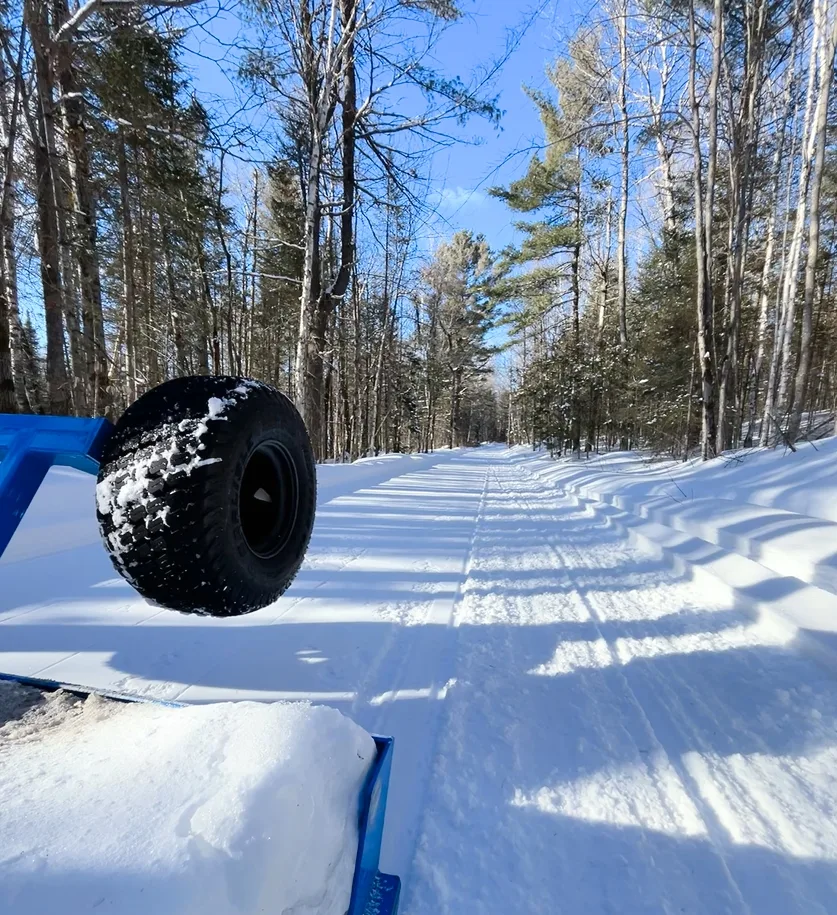
For riders, that distinction matters more than a simple warmer-or-colder headline. A snowmobile season depends on the timing and persistence of cold, the depth and consolidation of the base, lake and swamp freeze-up, grooming access, and whether thaw cycles interrupt the work clubs have already completed. Heavy snow that arrives before the ground and waterways are ready can be less useful than a modest base followed by sustained cold.
Northern Ontario receives the strongest call
The new outlook gives Northern Ontario good to very good potential once winter becomes established. Northeastern communities including Sudbury, North Bay, Timmins, Temiskaming, Cochrane, Hearst and Kapuskasing are presented as especially strong candidates for dependable midwinter riding. Northwestern areas from Thunder Bay toward Dryden, Kenora and Red Lake also receive a positive assessment, with cold availability helping the region preserve snow after systems pass.
The forecast’s scorecard gives five-star assessments to Northeastern Ontario, the North Bay-Sudbury-Temiskaming corridor, and the Grey-Bruce-Simcoe snowbelt. Northwestern Ontario, Muskoka-Parry Sound-Algonquin, and Eastern Ontario receive four stars. Southwestern Ontario receives three, reflecting greater exposure to warmth and repeated freeze-thaw cycles. Those ratings are the author’s outlook, not guaranteed operating conditions.
Why southern riders need flexibility
Southern Ontario can still produce excellent riding windows, particularly where lake-effect bands organize. The challenge is durability. A short warm spell or rain event can quickly reduce a shallow base, expose hazards, or force clubs to close trails that had briefly opened. The practical lesson is to avoid locking expensive travel plans to a single early date and to keep northern alternatives available.
Riders should also separate weather enthusiasm from legal access. A forecast, snowfall map or social-media photo does not open an Ontario Federation of Snowmobile Clubs trail. Riders should use the official interactive trail guide for current OFSC trail availability and check local club notices. Closed means closed, even when a road ditch or nearby field looks rideable. Early unauthorized traffic can damage private land relationships and create hazards for volunteers preparing routes.
What dealers and clubs can do now
For dealers, the outlook supports a service-first conversation rather than an early-season sales guarantee. Customers can be encouraged to complete preseason inspections, verify track condition and tension, check sliders and idlers, test lights and emergency gear, and address battery, belt and fuel-system needs before the first broad opening. A volatile start makes readiness more valuable because the first safe window may be brief.
Clubs face a different planning problem. Grooming, staking, signing and bridge work must be completed around changing ground conditions. Volunteers also need landowner permissions and safe ice where routes cross wetlands or waterways. Riders can help by buying permits, staying off closed trails and treating local club updates as operational information rather than suggestions.
Forecasts are scenarios, not guarantees
Long-range outlooks become less certain at local scale and over longer horizons. El Niño influences probabilities; it does not dictate the exact storm track on a particular weekend. Lake temperatures, wind direction, Arctic-air intrusions and individual systems will determine where snow accumulates. The article’s regional call should therefore be used to plan options, not to justify risky travel.
The most defensible takeaway is conditional: Ontario can still have a good snowmobile season, but riders may have to wait for it, travel for it, and act quickly when a safe window opens. Northern districts appear better positioned to hold a base through midwinter and into March. Southern districts may offer shorter, more interrupted periods. In every region, the official trail status, local weather, visibility, ice conditions and club guidance outrank any seasonal forecast on ride day.