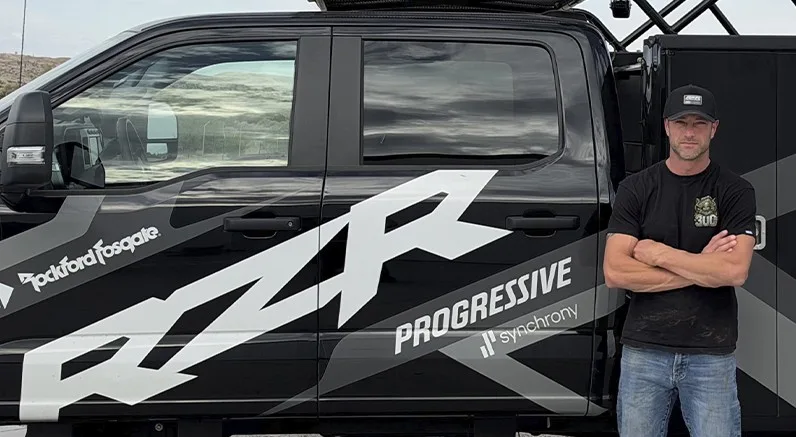
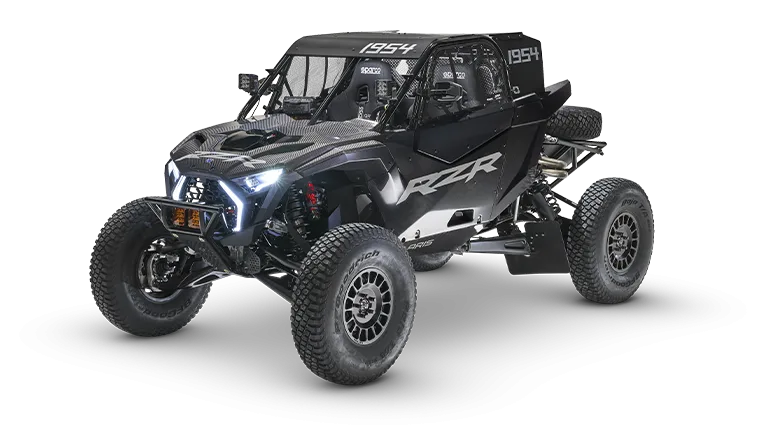
Polaris has signed veteran off-road racer Kyle Chaney to a multi-year agreement with RZR Factory Racing. Announced October 26, the deal puts the four-time King of the Hammers UTV winner in a RZR Pro R Factory for King of the Hammers and selected U.S. events. Polaris has not yet disclosed the complete calendar or his individual race entries. The agreement adds a driver with cross-country, short-course and rock-racing success to a program built around a dedicated competition vehicle.
A proven winner changes programs
Chaney brings a record that includes two GNCC championships, three short-course titles and four consecutive UTV victories at King of the Hammers. In 2025, he became the first driver in a UTV-based vehicle to win the Race of Kings overall, a result that expanded the perceived capability of the category beyond class competition.
Polaris has not yet published his complete schedule. The company says he will compete at King of the Hammers and at selected events, with more details to follow. That leaves open how often he will race alongside the existing factory roster and which disciplines will receive the greatest emphasis.
Polaris says its factory program has won three consecutive UTV Open championships in the SCORE World Desert Championship. The team’s listed wins include the Baja 1000, Baja 500, Baja 400, San Felipe 250, Mint 400, King of the Hammers and Vegas to Reno. That record explains why the move is more than a sponsor-logo change: Chaney is joining an established program with experience in several forms of demanding off-road competition. His own results provide a separate measure of the experience he brings; they do not guarantee the outcome of the new partnership.
Why King of the Hammers matters
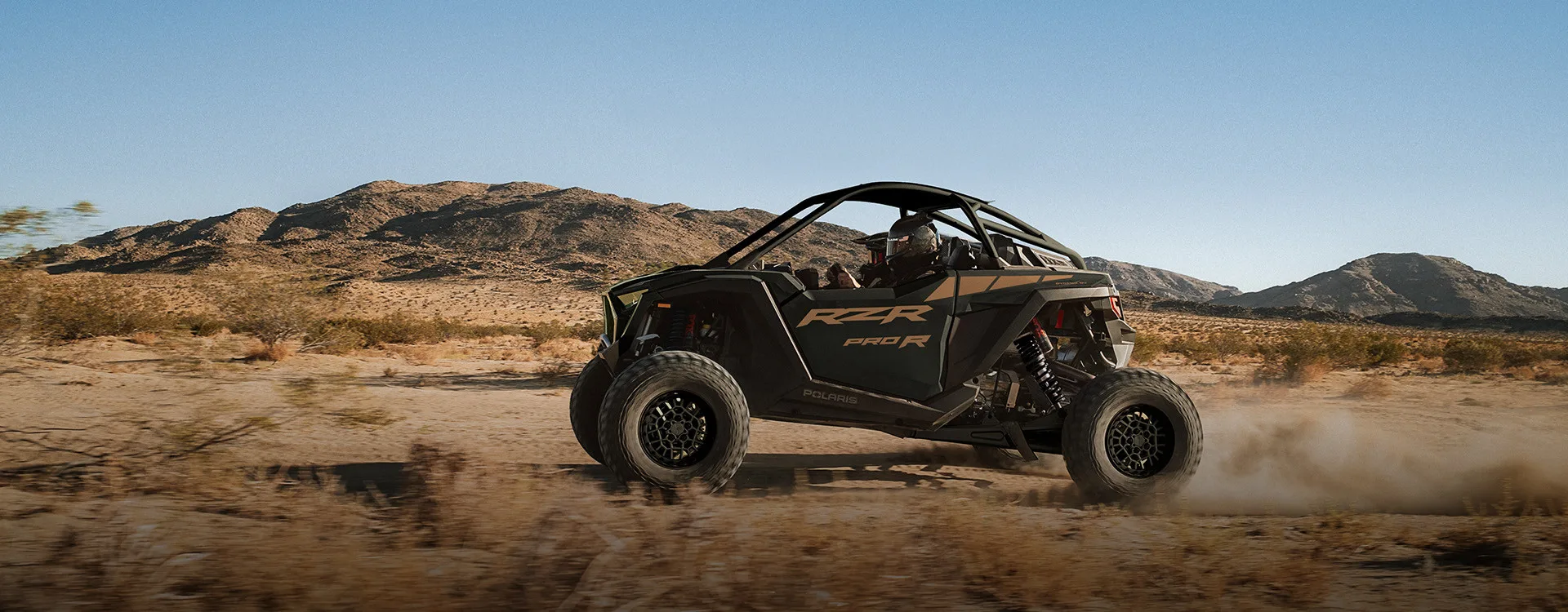
King of the Hammers combines desert speed, rock crawling, heat, impact and navigation in one event. A machine that performs there must manage cooling, suspension loads, driveline shock and tire survival across sharply different terrain. Success is valuable to a manufacturer because it demonstrates durability under conditions far beyond routine recreation.
Chaney’s experience is particularly useful because he understands both short-course intensity and long-format technical racing. Driver feedback can influence setup choices and expose weak points quickly. Factory racing does not automatically translate directly into a showroom component, but repeated high-load use can inform calibration, accessory development and service knowledge.
The RZR Pro R Factory platform
The Pro R Factory is Polaris’s purpose-built race platform rather than a standard dealership unit with a few bolt-on parts. It gives the team a common technical base while allowing event-specific preparation. Chaney’s arrival adds another experienced reference point for engineers comparing suspension, tire, cooling and driveline behaviour.
The signing also strengthens the competitive narrative around the consumer RZR Pro R family. Buyers should not confuse a factory race machine with a stock side-by-side, but racing remains a powerful demonstration of engineering priorities. For dealers, the value is strongest when marketing is paired with accurate explanations of what is shared and what is race-only.
Canadian relevance is indirect but real
The announced schedule is U.S.-based, and the release does not identify a Canadian race appearance. Even so, Polaris sells extensively in Canada and the RZR line has a large trail, dune and competition audience. North American racing results influence brand perception, accessory demand and owner communities on both sides of the border.
Canadian riders also face severe terrain, long distances and major temperature swings. Lessons from endurance and technical racing can be relevant to how products are validated, even when the event itself is elsewhere. The key is to separate evidence from assumption: Polaris has confirmed the driver and program, but it has not promised specific production changes arising from the deal.
What to watch in 2027
The next milestones are Chaney’s detailed calendar, his crew and co-driver arrangements, the specification of his Pro R Factory and the official King of the Hammers entry list. Those facts will show whether the agreement is built mainly around one marquee race or a broader championship effort.
For now, the signing gives Polaris a driver with unusual crossover credibility and gives Chaney a factory platform for the event most closely associated with his recent success. The competitive results will determine whether the move becomes a major RZR story or remains a promising off-season roster change.
Sponsorship value will depend on visibility beyond race weekend. Technical debriefs, responsible trail messaging and accurate explanations of the race vehicle can give owners useful context, while unsupported claims about direct production transfer would weaken credibility. The best factory programs connect competition to product knowledge without pretending the machines are identical. Canadian fans will get their clearest first comparison at King of the Hammers, where elapsed time alone does not tell the whole story. Finishing condition, penalties, repair stops and pace across the rock sections can reveal whether the new pairing is immediately competitive or still developing its operating rhythm.