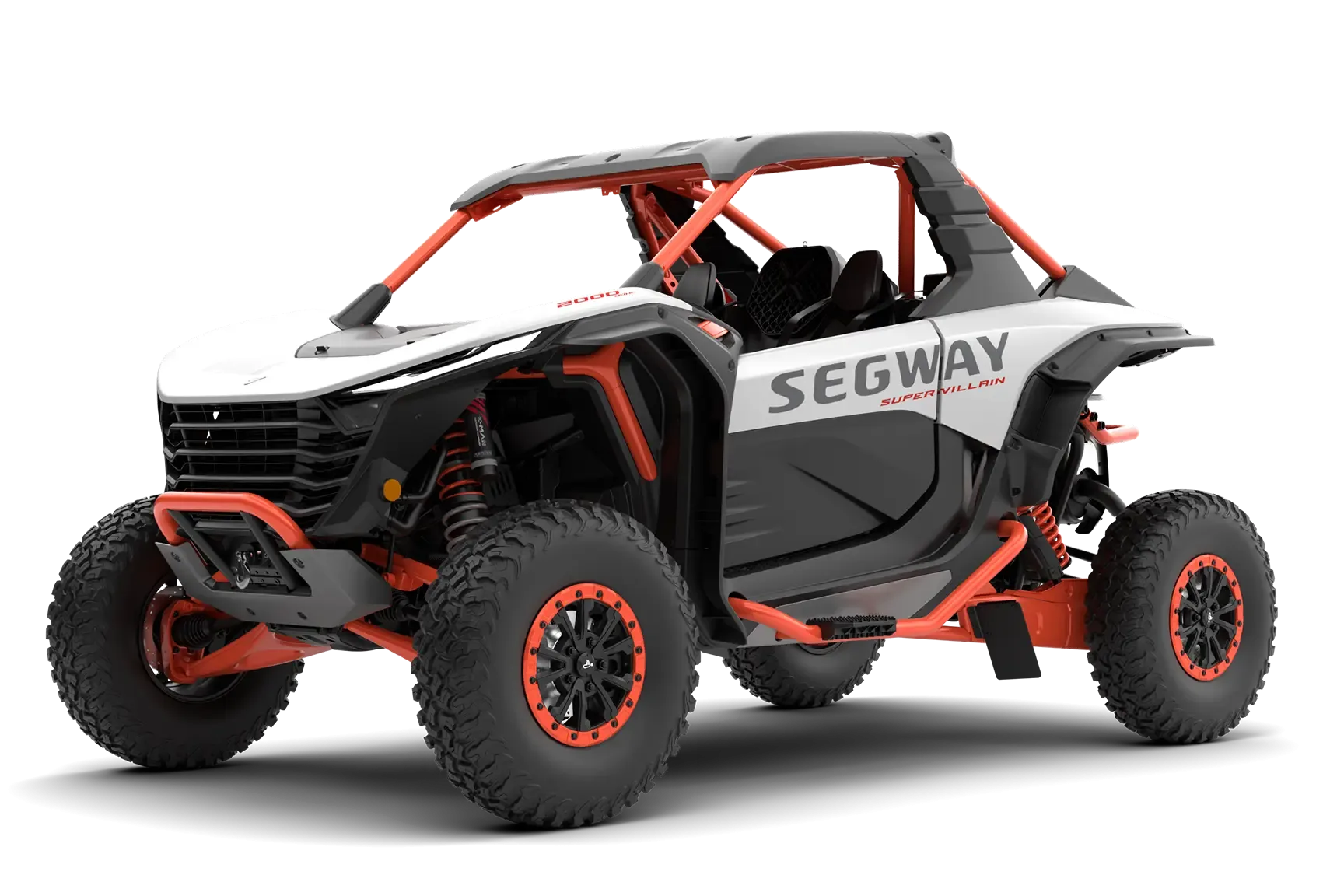
Segway Powersports will make its SCORE Baja 1000 debut on Nov. 13 with two race-prepared Super Villain UTVs. The 59th running starts and finishes in San José del Cabo, Mexico, and will be the company’s longest competition test of the platform this season.
The nearly 1,000-mile route will run entirely within Baja California Sur for the first time in the event’s history. Segway says Jacob Zuccone and Justin He are among the drivers representing the factory program. The race is also the final round of the 2026 SCORE World Desert Championship.
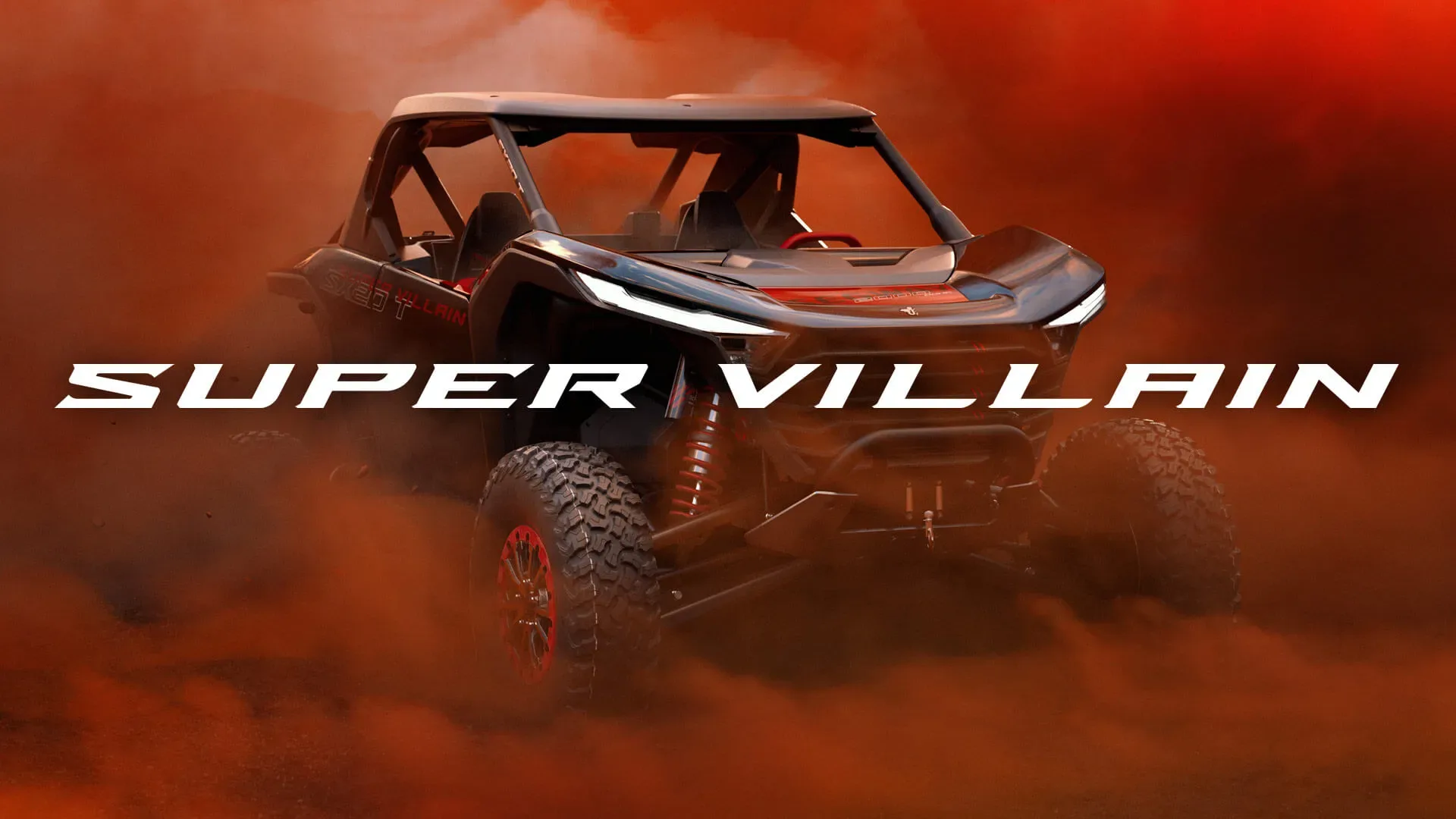
For Canadian riders and dealers, the development matters because the Super Villain is already listed by Segway Powersports Canada. The showroom model and the competition machines are not identical, but the brand is using a North American endurance program to test how the platform’s systems work together under sustained load.
A new step after a full desert-racing season
The Baja entry is not Segway’s first competition outing with the Super Villain. The company says its 2026 program has included King of the Hammers, the Mint 400, Silver State 300 and Vegas to Reno. Each event offers a different combination of speed, terrain, temperature and duration.
That sequence provides context for the Baja announcement. A manufacturer can learn from a short, rough event and from a long, fast one, but the Baja 1000 combines distance with continuously changing conditions. Desert, mountain and coastal sections will require the vehicles to operate across different surfaces without the controlled resets available in a laboratory.
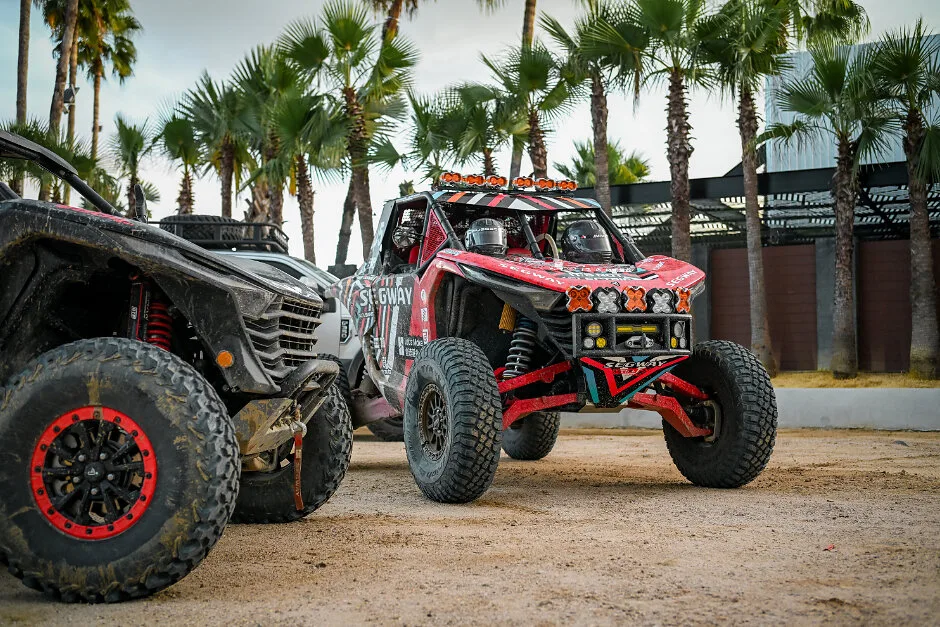
Segway describes the race as a benchmark for durability, reliability and performance. Those terms should be understood as development objectives, not as a warranty promise for a production machine. Race vehicles are prepared for competition, operated by trained teams and serviced under conditions that differ from normal ownership.
Why the distance matters
Long-distance racing can reveal problems that do not appear during a brief demonstration. Heat accumulates. Components loosen. Dust affects cooling and filtration. Repeated suspension impacts test joints, dampers and mounts. Electrical connectors, sensors and software must continue working while the vehicle experiences vibration and temperature swings for hours.
The useful engineering question is not whether one component survives in isolation. It is whether the complete system remains functional when the engine, driveline, suspension, brakes, cooling package and electronics are all working under stress.
Segway says it manages vehicle development, production and after-sales activities across the product lifecycle. A factory race program can shorten the feedback loop when problems are documented accurately and returned to engineering. The strongest proof will come later, if the company identifies specific production or service improvements that result from the program.
What the Canadian Super Villain offers
Segway Powersports Canada lists the Super Villain SX20T as a 2,000 cc turbocharged inline-four side-by-side producing a stated 235 horsepower and 380 Nm of torque. The Canadian page shows a starting price of $46,999 before freight, preparation and dealer setup, and describes a six-month warranty.
Published Canadian equipment includes selectable two- and four-wheel drive, front and rear differential locks, a 45-litre fuel tank, adjustable 3.0-inch internal-bypass shocks, 32-inch tires, a 4,500-pound winch, a TFT display, a touchscreen and a rear camera. Segway also lists app-based functions including vehicle data, drive settings, safety alerts and phone-based unlocking.
Those specifications establish a production reference point, but they should not be transferred automatically to the Baja entries. Race classes, safety requirements and team preparation can change weight, protection, fuel capacity, suspension, navigation and other equipment.
Racing and showroom ownership
The Canadian production model gives the race program a local connection, but the two applications carry different demands. Competition preparation can change fuel capacity, safety equipment, protection and suspension settings. A showroom buyer needs the specifications and maintenance schedule for the exact Canadian model rather than a parts list inferred from a race photograph.
The six-month warranty described on Segway’s Canadian page belongs to the retail product and its written terms. A factory racing effort does not extend that coverage or establish that competition use is covered. Buyers considering demanding recreational use can ask a dealer about inspection intervals, replacement parts and the service requirements associated with their terrain and accessories.
For a high-output side-by-side, support is part of the purchase decision. Access to belts, filters, cooling components and suspension parts affects how quickly a vehicle can return to use after scheduled maintenance or a repair. Those everyday ownership questions remain relevant even when the race team is pursuing an endurance result far from Canada.
Baja adds a different kind of test
Segway’s release identifies the Baja 1000 as the program’s longest race of the season. The company has not announced a result: the race start is still scheduled for Nov. 13. Both the planned entry and the engineering objectives therefore remain separate from a completed finish or class placing.
A long desert race can test how several systems interact over time. Cooling, filtration, driveline loads and suspension impacts occur together, while changing terrain alters the pace and stresses placed on the vehicle. A factory team’s ability to record those conditions can make the event useful even when a problem interrupts its run.
For Canadian owners, the most useful outcome would be a clear connection between competition experience and future product or service improvements. That connection has yet to be demonstrated for this race. For now, Segway has committed two prepared Super Villain UTVs to an endurance program that already includes several North American events, with the Baja 1000 adding its longest scheduled challenge.