Suzuki says its worldwide production of motorcycles and all-terrain vehicles has passed 100 million units, a milestone reached in July 2026 and announced on November 4. The total covers decades of manufacturing across both businesses. It measures vehicles built over the company’s history; it does not describe this year’s retail sales or Canadian registrations.
For Canadian riders, the announcement puts familiar showroom names into a wider industrial context. A sportbike, a commuter motorcycle and a utility ATV can serve very different customers while drawing on the same manufacturer’s accumulated experience. The useful question is how that scale translates into the ownership experience of a particular machine, from its suitability for the job to the support available locally.
A long view of the business
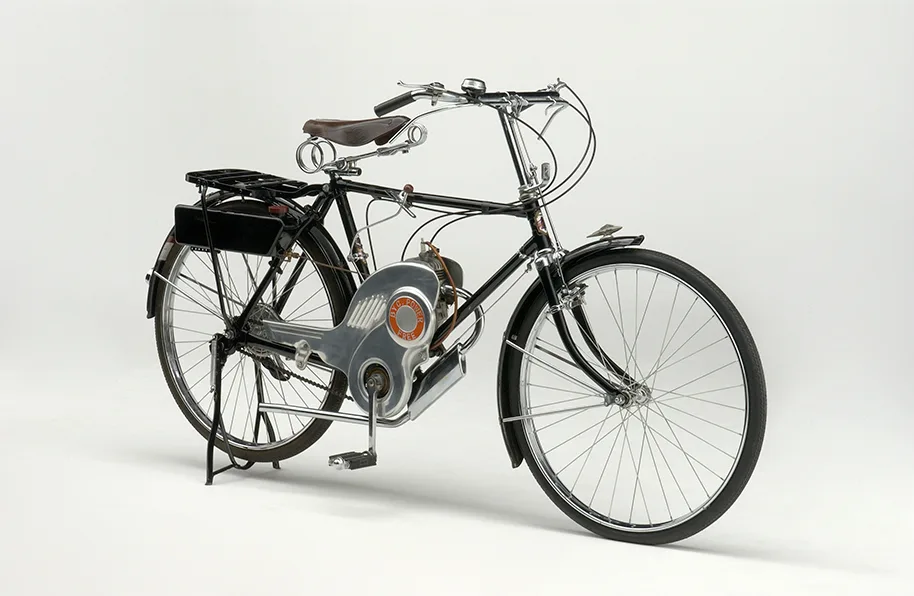
In its global announcement, Suzuki traces its motorcycle operation to the 1952 Power Free, a bicycle equipped with a 36 cc two-stroke engine. The starting point was practical mobility. That history helps explain why a production milestone encompasses much more than the high-performance motorcycles that often receive the most attention at international shows.
The business now combines everyday transport with recreational and performance models. This is an important distinction when interpreting the headline number. A cumulative manufacturing total pools many markets, engine sizes and uses. It cannot establish how popular a specific current model is in Canada, nor tell a buyer what stock is sitting at a nearby dealership.
Suzuki identifies 2004 as its 50-million-unit production milestone. The new announcement therefore marks a doubling of the accumulated total since that earlier threshold. The two dates provide a sense of the business’s long trajectory, although they should not be turned into a forecast for future output. Production can change with demand, product cycles and manufacturing decisions.
ATVs are part of the story
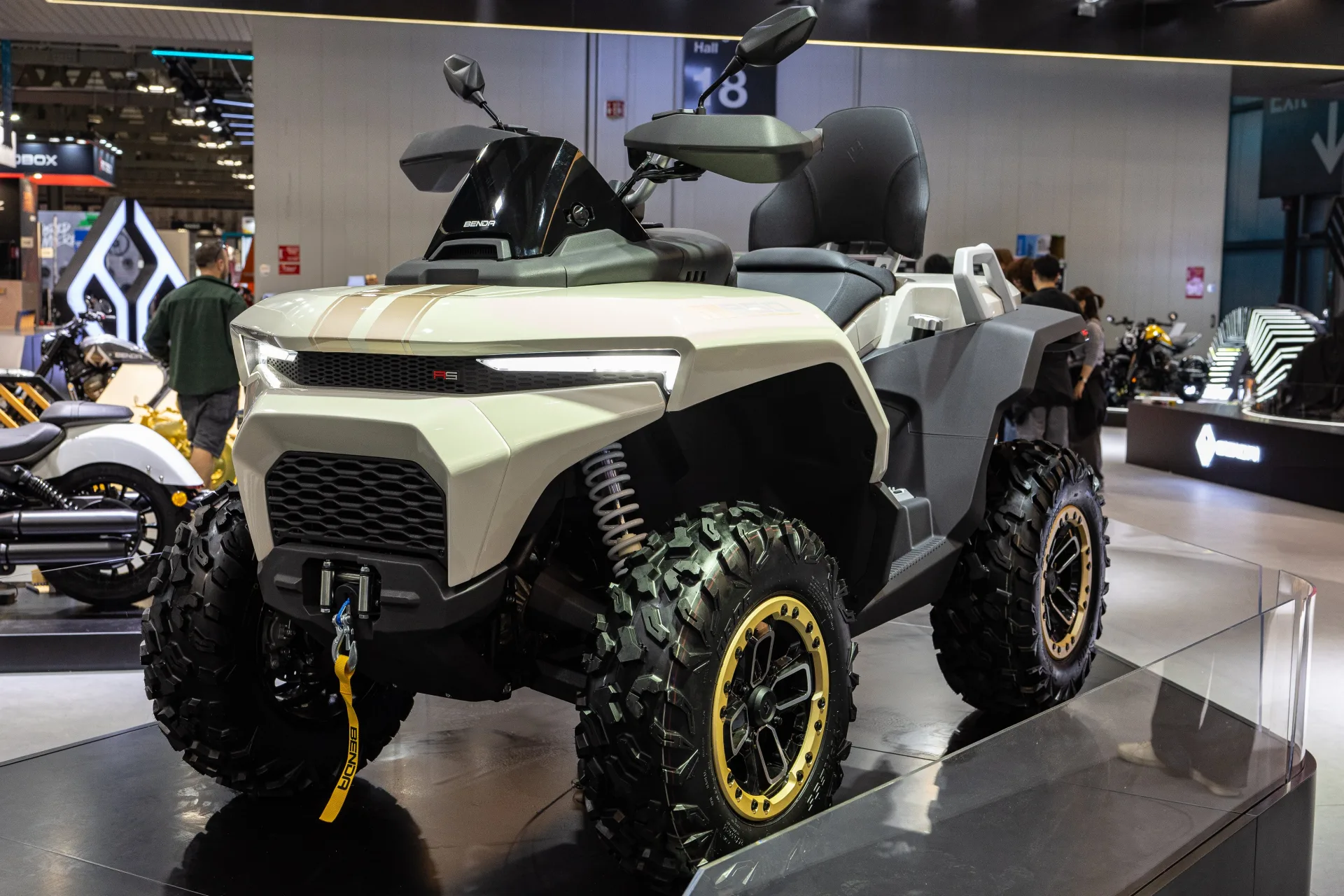
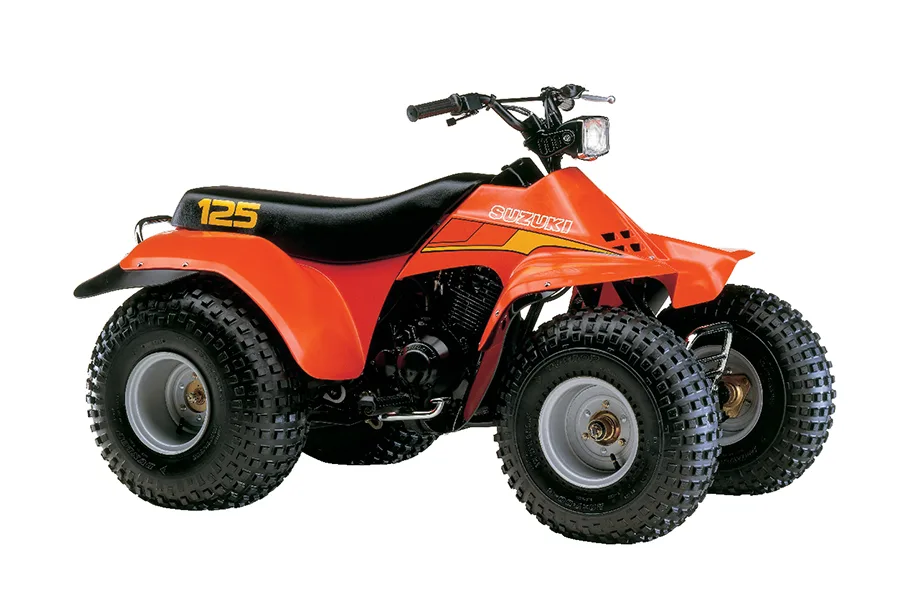
The four-wheel side has a clear place in the announcement. Suzuki highlights the LT125, introduced in 1982, alongside its more recent KingQuad products. The company’s published breakdown puts motorcycle production at 97.4 million units and ATV production at 2.77 million. Those rounded figures explain the scale of each business without supplying an exact, unit-by-unit reconciliation of the headline total.
For an ATV customer, the distinction between recreation and work is especially useful. A machine purchased for property duties will be assessed differently from one bought mainly for weekend trail riding. The milestone does not replace that assessment. Cargo requirements, terrain, operating conditions and service access remain more relevant to an individual purchase than the size of a manufacturer’s historical production tally.
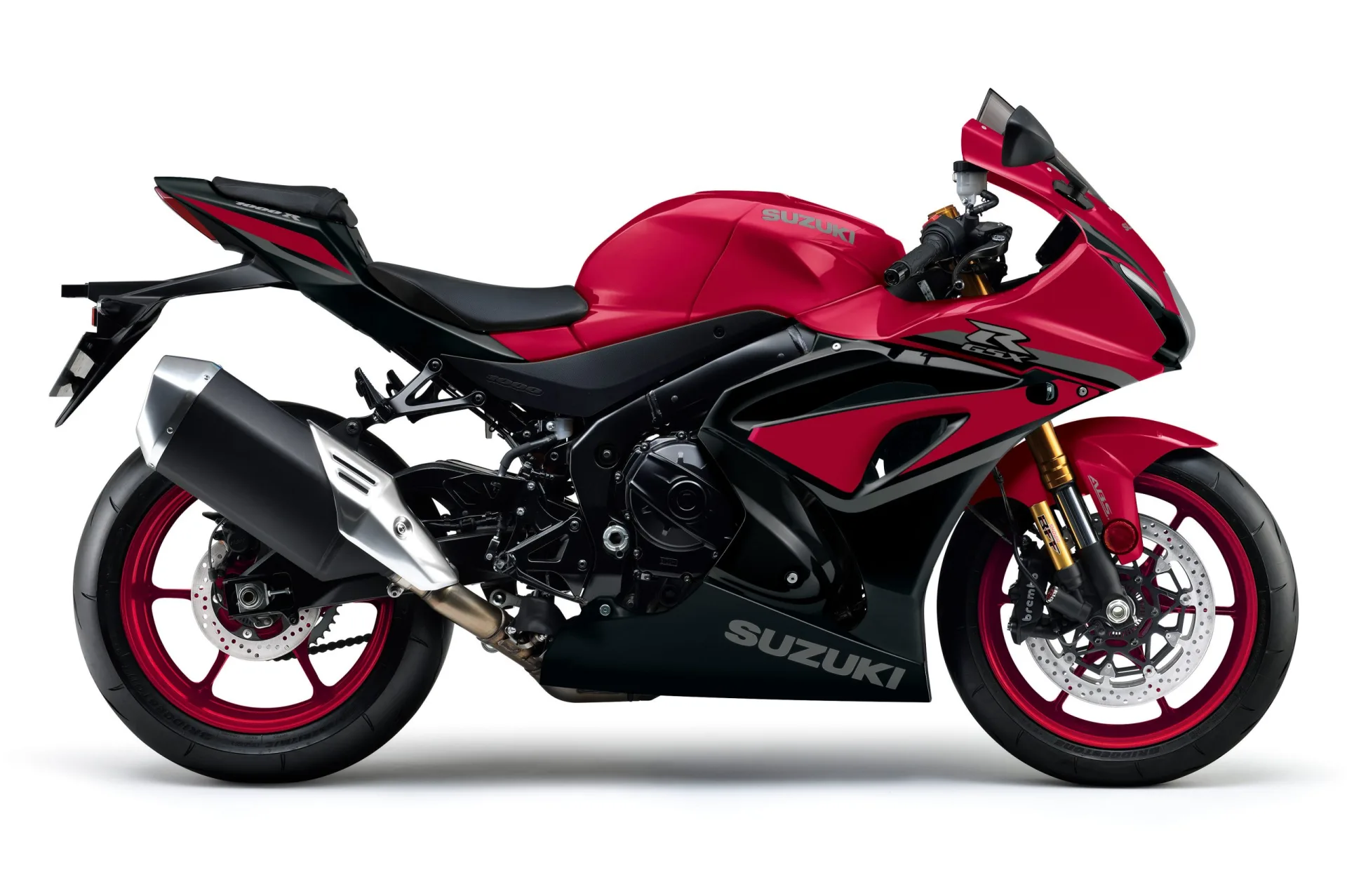
The accompanying historical photographs also need to be read in that spirit. A Power Free or LT125 image illustrates the development of Suzuki’s business. It is not evidence of a new Canadian model launch. Likewise, a photograph of a recent sportbike represents one part of the range, rather than a promise about the specification or availability of its successor.
What Canadian buyers can take from it
A large installed base can make a brand’s history interesting to owners, collectors and prospective buyers. It is a reason to investigate the product, not a shortcut around inspecting it. Someone comparing used motorcycles should still establish the model year, maintenance history, condition and equipment of the actual vehicle being offered.
That distinction matters when a familiar model name spans several years. The name on a tank or fairing may remain recognizable while the details relevant to a buyer change. Suzuki Canada’s 2025 GSX-R1000R page is an example of a model-specific reference: it identifies a particular year and product, whereas the production announcement describes the company as a whole.
For a new purchase, the practical comparison should start with a written Canadian quote for the exact machine. Buyers can then compare the vehicle, included equipment, delivery arrangements and ownership costs on the same basis. A global production announcement supplies none of those transaction details, so the milestone should not be interpreted as a Canadian price change or a delivery guarantee.
A useful conversation for dealers
Dealers can use the announcement to connect different parts of the brand’s history with the ways customers ride and work today. A historical display could lead naturally into a discussion about how a customer’s intended use has changed, whether that means longer road trips, a first motorcycle or more demanding property tasks.
The strongest sales conversation would connect that history to a specific need. For an existing owner, it could begin with the machine already in the garage and the next service it requires. For a prospective buyer, it could begin with the type of riding or work the vehicle must handle. That keeps the milestone grounded in ownership rather than treating a large corporate number as proof of individual suitability.
Suzuki’s announcement is a significant manufacturing marker. Its value to a Canadian customer comes from the questions it opens about the product and the support behind it. The final choice still belongs at the level of the individual motorcycle or ATV, where condition, fit and local service can be examined directly.