Make-A-Wish and Sherco Deliver SE 300 Factory to Cancer-Free Teen
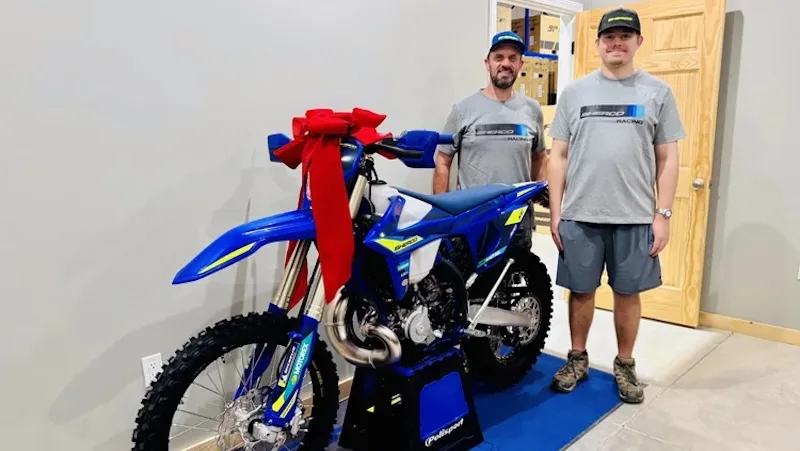
A dirt-bike wish has become a new chapter for a 19-year-old Tennessee rider. Nathaniel, of Goodlettsville, qualified for Make-A-Wish Middle Tennessee while being treated for acute lymphoblastic leukemia. After meeting Sherco United States owner James Jordan at Loretta Lynn’s Spring Trail Ride, he chose a Sherco SE 300 Factory. The organization and company arranged a trip to Sherco’s Arkansas facility, where he received the motorcycle and toured the operation. He is now cancer-free.
How the wish developed
Nathaniel’s initial request was for a dirt bike rather than a particular brand. Attending the spring trail ride with his family gave him a chance to meet the people behind Sherco and learn about its motorcycles. That personal connection shaped the final choice.
Make-A-Wish Middle Tennessee then coordinated with Sherco United States. The delivery was not limited to handing over a machine: the family travelled to Bono, Arkansas, toured the company and met the staff connected to the motorcycle.
The motorcycle
The SE 300 Factory is a competition-oriented enduro model built around a 293cc two-stroke single-cylinder engine, Keihin PWK 36 carburetor, electric start and six-speed transmission. Equipment includes Brembo hydraulic brakes and clutch, KYB suspension, Excel wheels and Michelin Enduro Medium tires.
Those specifications describe a serious off-road motorcycle, not an entry-level play bike. Correct setup, protective equipment, training, land access and ongoing maintenance are essential parts of responsible ownership.
Why the human story matters
Powersports coverage often focuses on horsepower, business transactions and race results. This story shows a different form of industry value: a rider, family, charity and manufacturer using a motorcycle to mark recovery and future plans.
The fact that Nathaniel is cancer-free changes the meaning of the delivery. The motorcycle represents something he can work toward and enjoy after treatment, while the factory visit recognizes the process that brought him there.
A model for dealer involvement
Canadian dealers frequently support charity rides, community events and individual fundraising efforts. The lesson is not that every business can donate a new motorcycle. It is that listening, coordination and a personal experience can carry more weight than a generic sponsorship.
A retailer might contribute service, safety gear, transport, event space or staff time. Partnerships should be built with the charity so eligibility, privacy and family wishes remain central rather than turning assistance into an advertising exercise.
Safety and readiness
A positive story should not obscure the demands of returning to riding after major illness. Medical clearance, strength, fatigue, medication effects and protective equipment may all influence timing. Those decisions belong to Nathaniel, his family and medical team.
The motorcycle will also need setup for his weight and ability. Controls, suspension, sag and ergonomics should be checked before serious trail use, followed by gradual practice in a controlled environment.
Canadian relevance
Sherco motorcycles are available through Canadian off-road dealers, and Make-A-Wish Canada operates through regional chapters. That gives the story a recognizable framework even though this particular wish occurred in Tennessee and Arkansas.
Canadian organizations should not copy the event mechanically. The useful idea is collaboration: connect a rider’s specific wish with the people capable of delivering it safely, respectfully and in a way that creates a lasting memory.
What comes after delivery
The public milestone is complete: the motorcycle has been delivered and Nathaniel’s recovery status is positive. Any additional details should come from updates the family or participating organizations choose to share publicly.
The enduring point is simple. A high-spec enduro motorcycle became more than a product when the people around it understood what the request represented. That combination of recovery, community and riding makes the story worth telling beyond the original handover.
Respectful storytelling
Stories involving illness require more care than an ordinary delivery announcement. The individual’s name, diagnosis and recovery details should be used only as the family and charity have chosen to share them. The human story is Nathaniel’s recovery and the experience created around his wish, with the motorcycle serving as part of that milestone rather than overshadowing it.
That standard also applies to photographs. Images of the handover may be authorized for the original announcement without granting unlimited commercial use elsewhere. Family images from the wish should only be reused with appropriate permission and retained credit, and should not be repurposed for unrelated advertising.
The strongest public response is practical and proportionate: celebrate the milestone, recognize the organizations involved and let Nathaniel decide what, if anything, comes next. A charity collaboration earns trust when the recipient’s experience remains more important than the promotional value surrounding it.