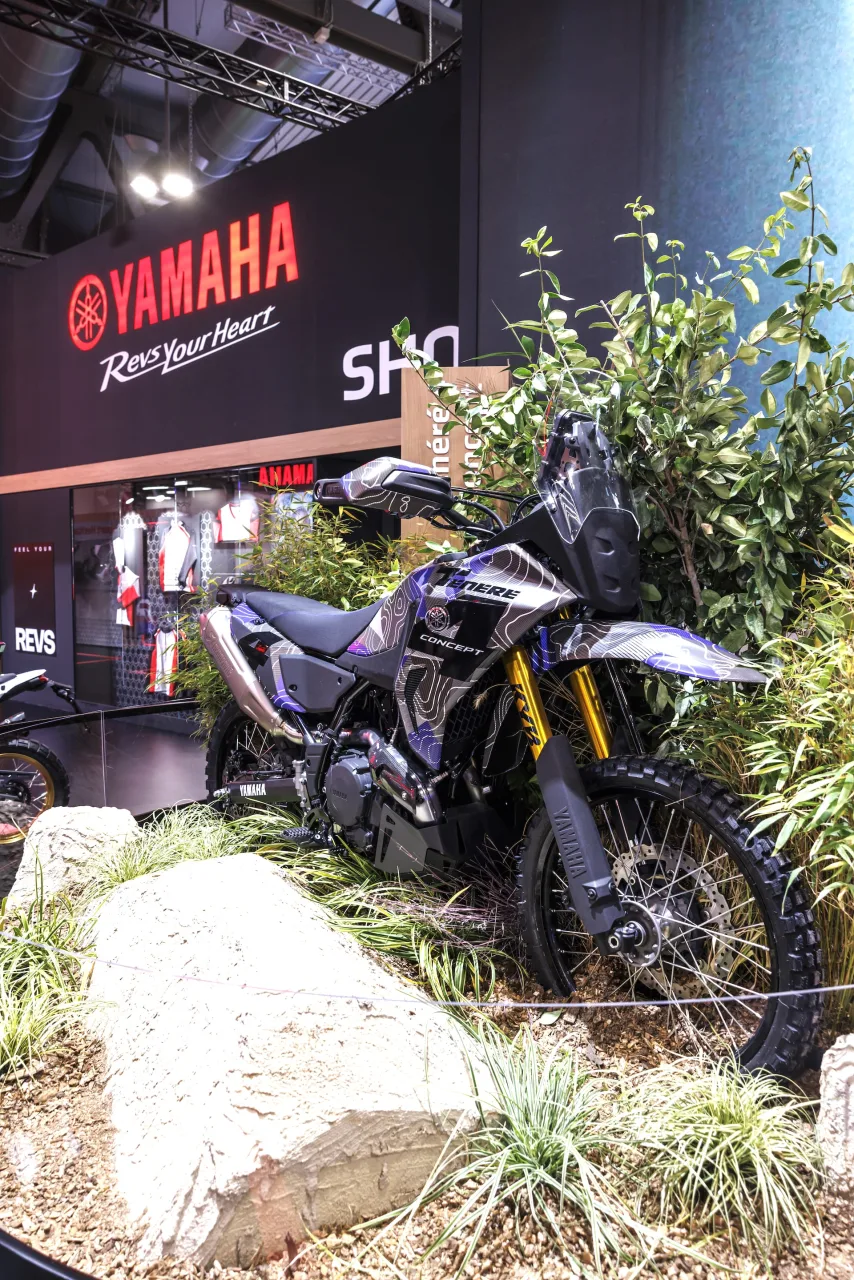
Yamaha has shown a smaller direction for the Ténéré family with the Ténéré 4 Concept, a single-cylinder adventure prototype designed around lighter weight, full-size off-road wheels and European A2-licence limits. The machine is not yet a confirmed retail model, but its proportions and equipment are much closer to a production motorcycle than a styling exercise.
The concept arrives at a time when adventure buyers are increasingly separating two needs that were once combined in one motorcycle. Some want highway range, passenger capacity and electronics. Others want a machine that is easier to manage on loose surfaces, less intimidating at low speed and simpler to recover after a fall. The Ténéré 4 is aimed squarely at the second group.
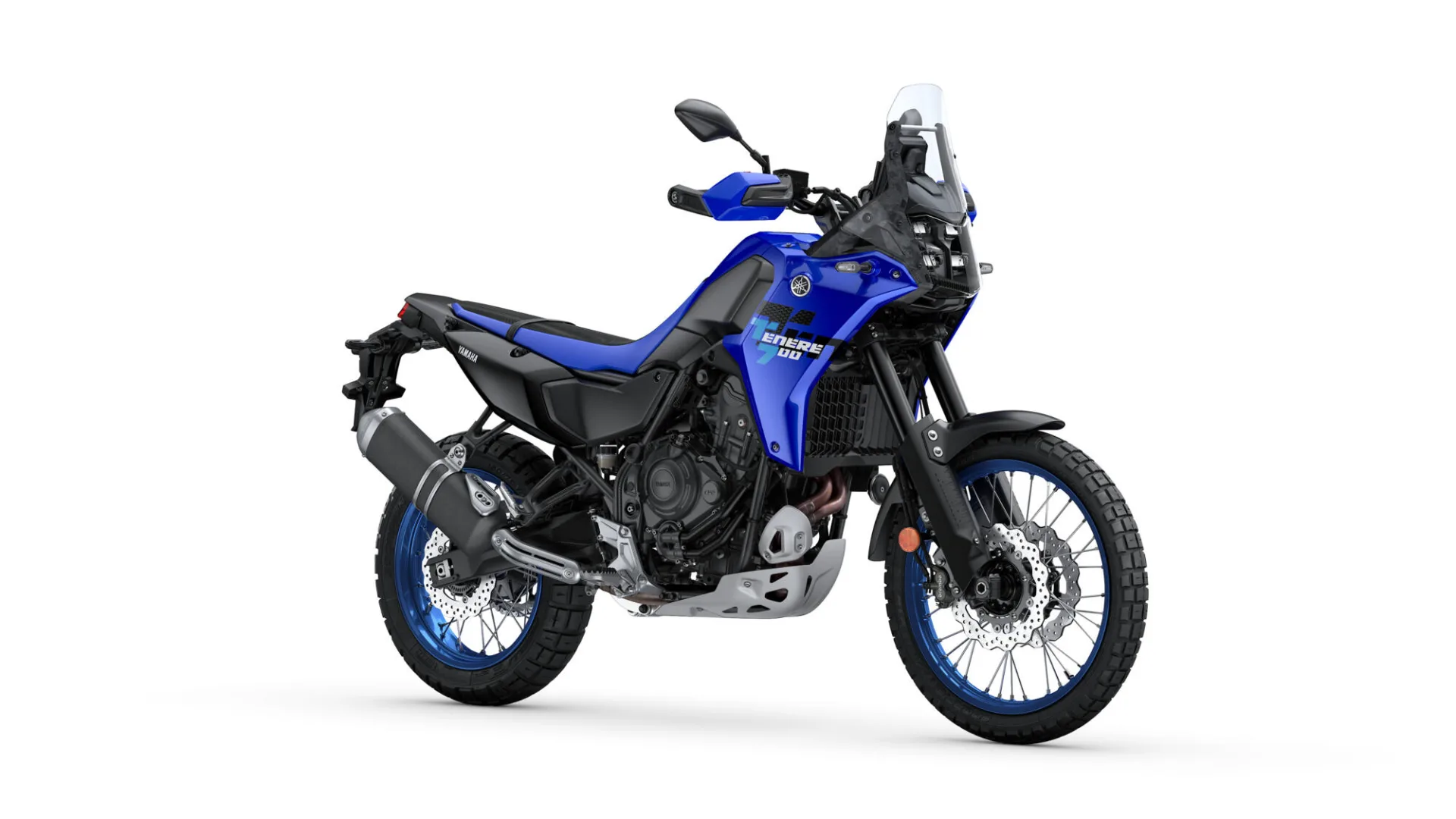
A new single-cylinder platform
Yamaha says the concept uses a newly developed single-cylinder engine. Displacement and output have not been disclosed. The A2 positioning means the production version would have to remain within the European licence category's power limits, but that does not establish an exact engine size or final output. The Ténéré 4 name does not establish a 400 cc displacement, and Yamaha has not announced an engine capacity.
A single-cylinder layout can suit this mission. It can reduce width and mechanical complexity while concentrating useful torque lower in the rev range. It may also help Yamaha keep overall mass below the Ténéré 700, although the company has not released a weight figure. Vibration control, highway gearing and service intervals will matter just as much as peak power if the motorcycle is expected to cover both trails and long Canadian distances.
The prototype lacks turn signals, a licence-plate holder and other road equipment. Those omissions confirm that the motorcycle shown in Milan is not the homologated final version. Lighting, emissions hardware, mirrors, passenger equipment and regulatory components can add weight and change the appearance before production.
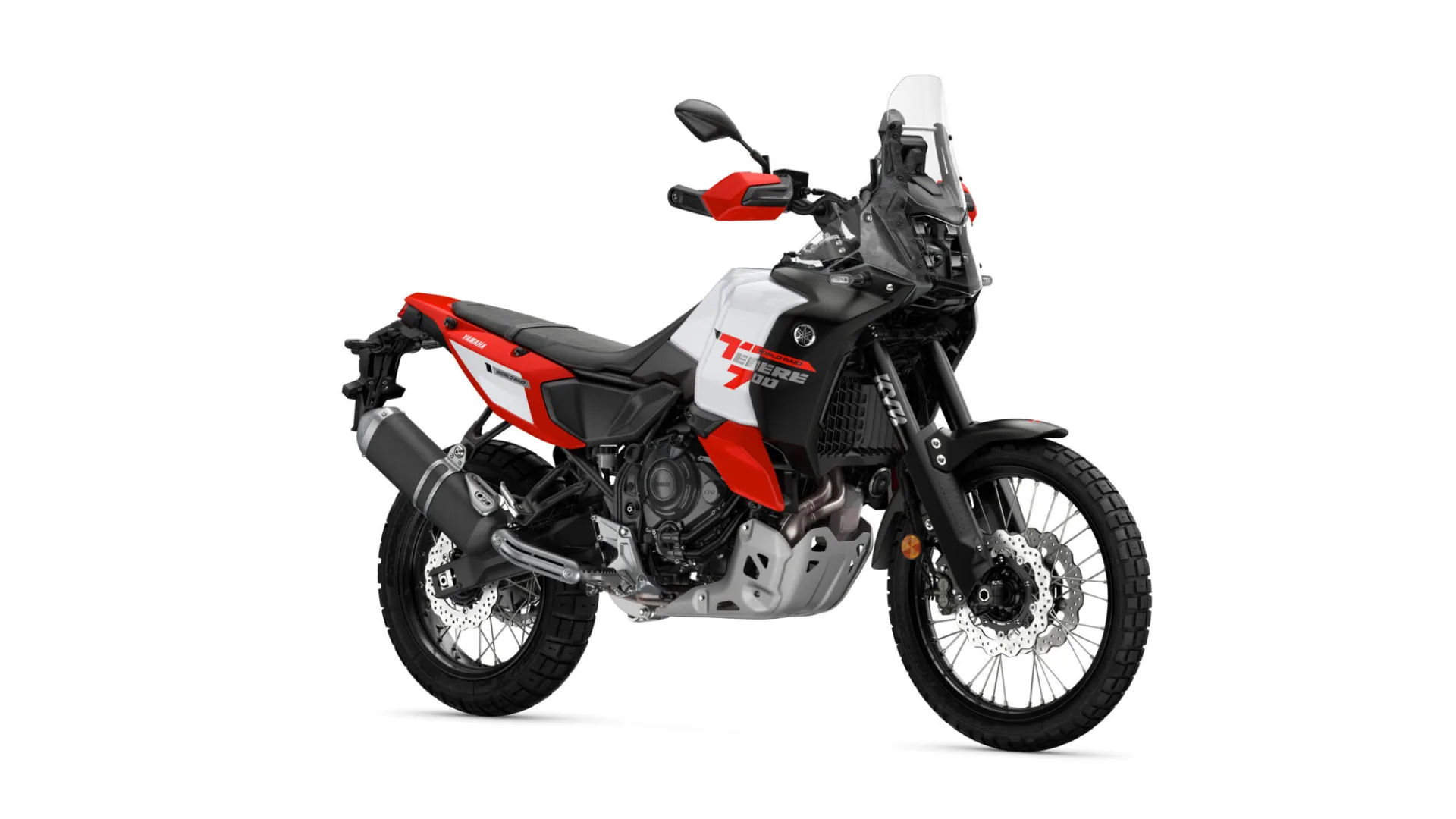
Full-size adventure-bike hardware
The chassis brief is more revealing than the missing engine number. Yamaha has fitted 21-inch front and 18-inch rear spoked wheels with Michelin Anakee Wild tires, the combination commonly used on motorcycles intended for serious loose-surface travel. KYB suspension is fitted at both ends, although travel and adjustment ranges have not been published.
The bodywork is narrow and vertically oriented at the front, with a flat seat and rally-influenced shape. A compact titanium Akrapovič exhaust sits high and close to the motorcycle. It is not yet clear whether that exhaust would survive into a base production model or become an accessory. The same caution applies to other premium-looking prototype parts.
The wheel sizes suggest Yamaha is not building a small urban crossover with adventure styling. A 21-inch front wheel improves its ability to roll over rocks, ruts and trail edges, while an 18-inch rear opens access to a broad selection of off-road tires. The tradeoff is height. Final seat height, suspension sag and chassis width will determine whether the smaller machine is genuinely more accessible to a wide range of riders.
Where it could fit beside the Ténéré 700
Yamaha's current Ténéré 700 uses a twin-cylinder engine and serves riders who need meaningful highway capability as well as off-road performance. A smaller single would not simply be a cheaper copy. It could be the better tool for riders who prioritize technical trails, lower running costs, solo travel or easier transport on a trailer or pickup.
The production decision will depend on whether Yamaha can preserve that distinction. If the Ténéré 4 becomes heavy or expensive after road equipment is added, it could overlap with used Ténéré 700s and established single-cylinder dual-sports. If it remains light and properly suspended, it could create a clear step between traditional dual-sports and middleweight adventure twins.
Canadian buyers should also resist reading too much into the A2 label. Canada does not use one national motorcycle-licensing structure equivalent to the European category. Provincial rules, insurance classifications and registration requirements will shape the domestic market. The European power ceiling helps explain Yamaha's design target, but it does not confirm how the bike would be marketed here.
The Canadian questions still unanswered
Yamaha has not announced Canadian homologation, price, production timing or dealer allocation. Fuel capacity, curb weight, seat height, alternator output, service intervals and luggage capacity are also absent. Those details will decide whether the motorcycle works for long northern distances and cold-season accessory use.
For Canadian riders, heated-grip integration, wind protection and fuel range can be as important as suspension travel. For dealers, the model's role will depend on whether it attracts new adventure riders or mainly shifts existing Ténéré and dual-sport buyers into another Yamaha. A test ride will ultimately matter because low-speed balance and throttle response cannot be read from a show-stage specification.
The Ténéré 4 Concept is therefore best understood as a strong product signal rather than a buying announcement. The prototype establishes the intended architecture: a new single, an off-road wheel arrangement and a dedicated chassis below the 700. Production specifications, fuel capacity, weight and regional launch plans will determine how closely a showroom motorcycle follows that brief.