Yamaha Motor has outlined a swappable-battery e-bike pilot in Berlin, combining electrically assisted bicycles, battery stations, fleet software and support for business users.
The company announced the project on November 10, describing a pilot scheduled from the end of October 2026 through its Berlin-based subsidiary ENYRING. Partner businesses are to include delivery services, employee-mobility providers and bicycle-rental operators. Yamaha says the test will collect vehicle-utilization and operational-efficiency data and identify challenges in actual business environments. It did not publish measured pilot results.
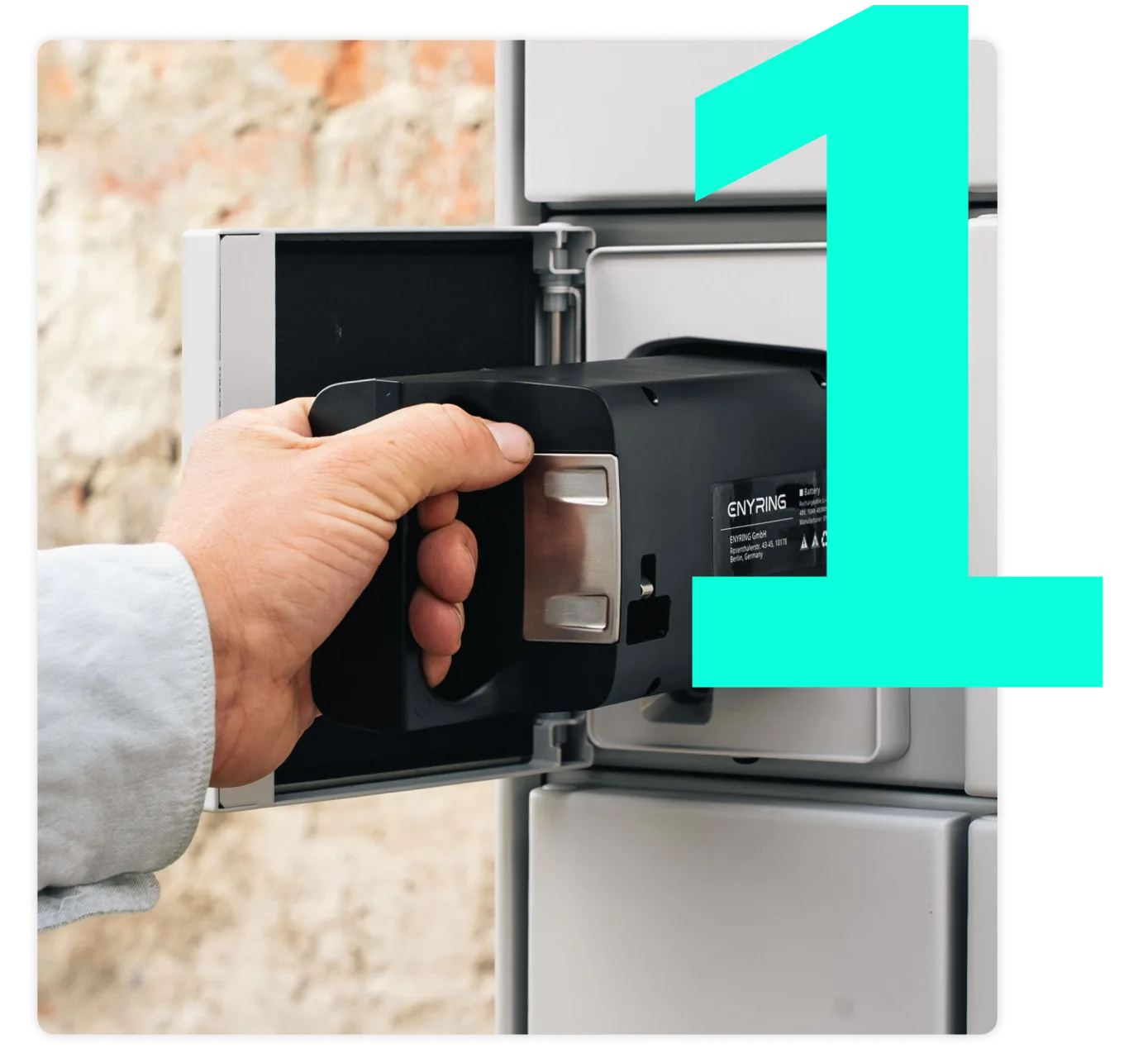
The service is larger than the bicycle
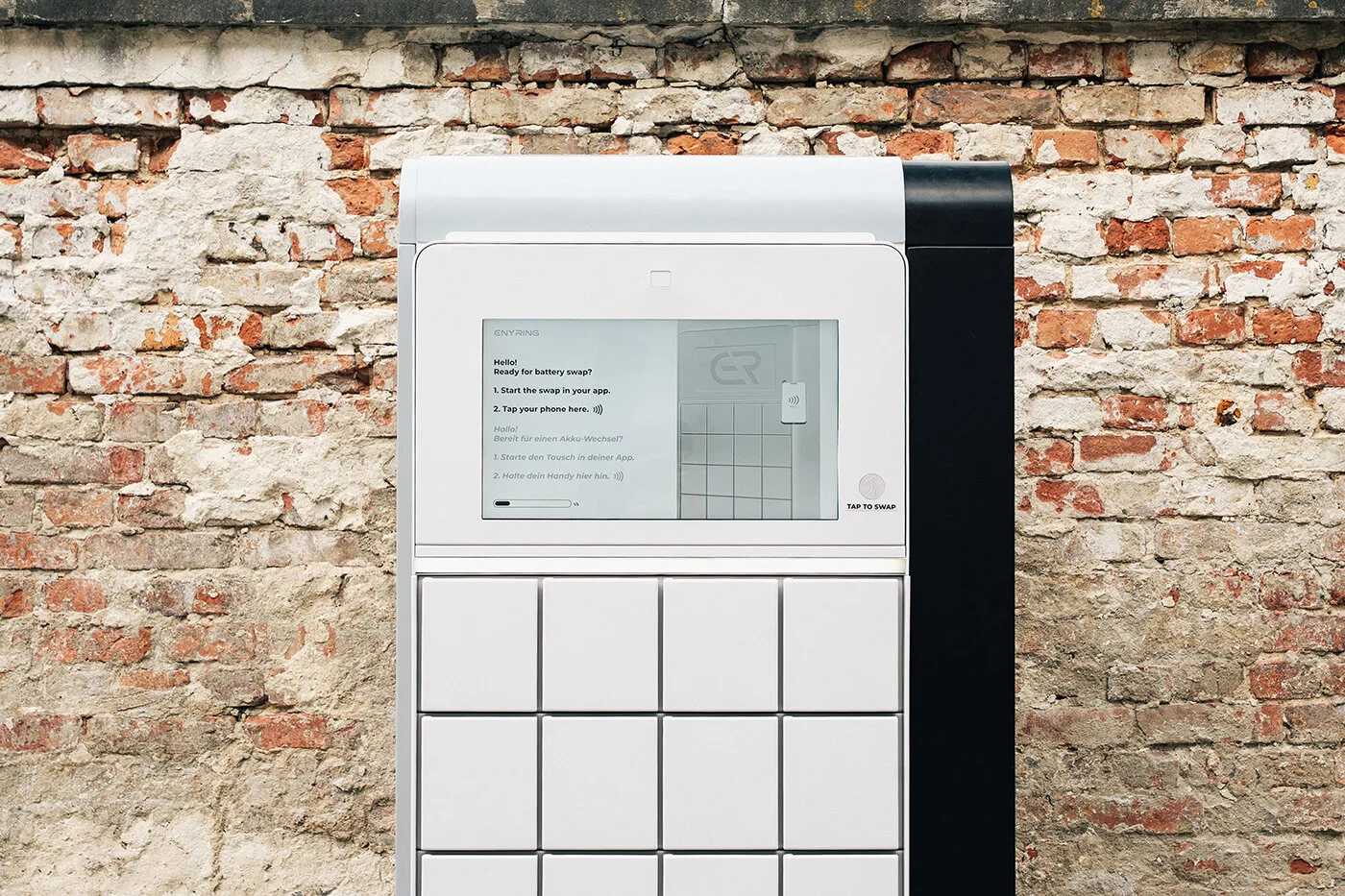
The planned service supplies e-bikes and access to battery-swapping stations around Berlin. The pilot also includes operations-management software and support services. That complete system is important because fleet electrification problems are often operational rather than purely mechanical.
A removable battery can be charged away from a bike, but a swap network changes the operating pattern. A rider can exchange a depleted pack for a charged one and return to service without waiting for a charging session. For a delivery fleet or rental operator, the potential benefit is higher vehicle availability. The operator also has to manage battery custody, station capacity, charging safety, pack health and the distribution of charged batteries across the network.
ENYRING's website adds scale to the plan: 10 stations are to be installed for the pilot this fall, with 44 Berlin stations planned by 2027 and a further station at its Berlin Mitte service hub. These are deployment plans, not a verified installed-station count. The site also advertises a free fleet trial and says a swap takes under a minute. That timing is the provider's claim, rather than a published independent test result. Named partners, fleet size and measured utilization remain undisclosed.
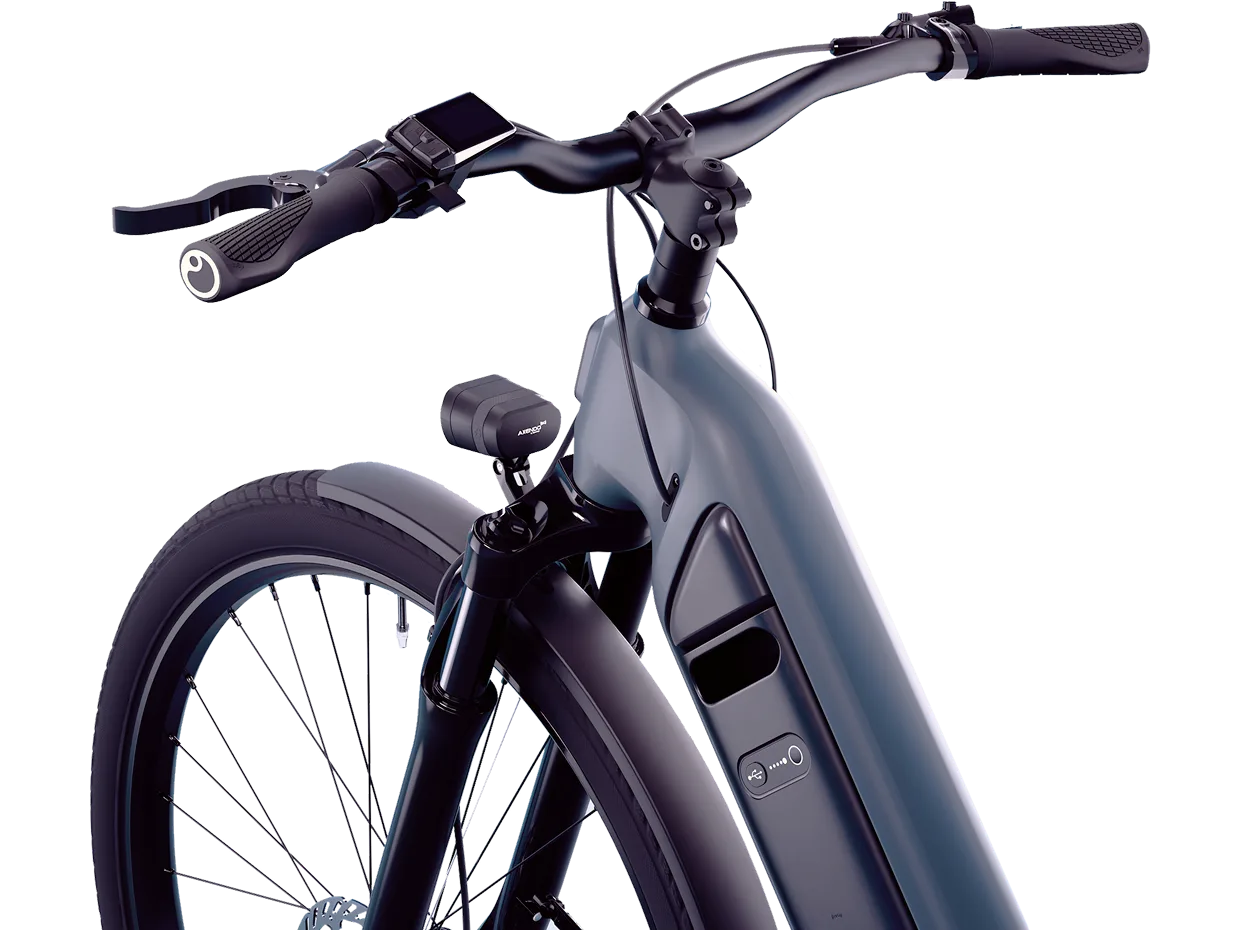
Three use cases create different tests
Delivery fleets place a premium on uptime and route completion. Their bikes may accumulate many hours and repeated battery cycles, making reliability, swap speed and station availability central measures.
Employee-mobility programs have a different rhythm. Demand may concentrate around commuting periods, and employers may care about access control, benefit administration and whether the service can replace some car trips. A rental operator has to manage customer instructions, damage, battery returns and varying levels of rider experience.
Including three categories is intended to let ENYRING compare frequent delivery use, scheduled commuting and customer-facing rental operations. Each creates different demands on vehicle availability and support. Whether the trial provides a useful comparison will depend on the participating fleets and the data collected, neither of which is quantified in the announcement.
Circularity depends on execution
Yamaha established ENYRING in Berlin in December 2023 under the slogan "Ride the Change." The subsidiary's stated aim is to combine e-bikes, swappable batteries and stations in a circular business model while reducing environmental impact. Yamaha links the work to its goal of reaching carbon neutrality for Scope 3 emissions by 2050.
A swap system can support circularity if batteries are tracked, maintained, reused and eventually recycled through a managed fleet. It can also create extra equipment and logistics if stations are underused or packs move inefficiently. The environmental result therefore depends on utilization, electricity supply, battery life, service transport and end-of-life handling, not just the fact that the bicycle is electric.
That is why the pilot's utilization and efficiency data matter. High use of a well-positioned station can spread its material and operating cost across many swaps. A poorly placed station may consume space and energy without improving fleet availability. The same applies to battery inventory: too few packs can create shortages, while too many tie up capital and age on the shelf.
Canadian implications are indirect but relevant
The Yamaha announcement does not include a Canadian ENYRING deployment. Berlin's density, cycling network and regulatory environment are different from those of Canadian cities. Winter temperature, snow, salt and longer travel distances could also change battery performance and station design.
The operating questions are still relevant to Canadian mobility providers and dealers. Cold-weather charging rules, secure indoor storage, battery inspection, connector protection and fleet diagnostics would be essential in a Canadian deployment. A business offering e-bikes to employees or couriers would also need to understand insurance, theft prevention, rider training and municipal requirements.
For traditional powersports and bicycle dealers, the model points toward recurring service rather than a one-time unit sale. A dealer could potentially maintain fleet bikes, inspect packs, replace wear items and support station uptime. That opportunity would require manufacturer training, parts access, diagnostic tools and a clear division of responsibility between the network operator and local service provider.
Operating results remain unreported
The November 10 announcement identifies the service model and what Yamaha intends to measure. It does not supply evidence that swapping is cheaper or more reliable than depot charging. Fleet size, swap frequency, uptime, battery durability and operator feedback would all help assess that comparison. ENYRING's expansion targets describe its ambition, while measured performance will determine the strength of the commercial case.
ENYRING's pilot brings together several parts of electric mobility that operators often manage separately: the bicycle, its batteries, charging infrastructure and maintenance. For Canadian businesses, that integration is the relevant idea. Its value in a particular city will depend on local routes, climate, demand and service economics, which the Berlin announcement cannot establish for another market.