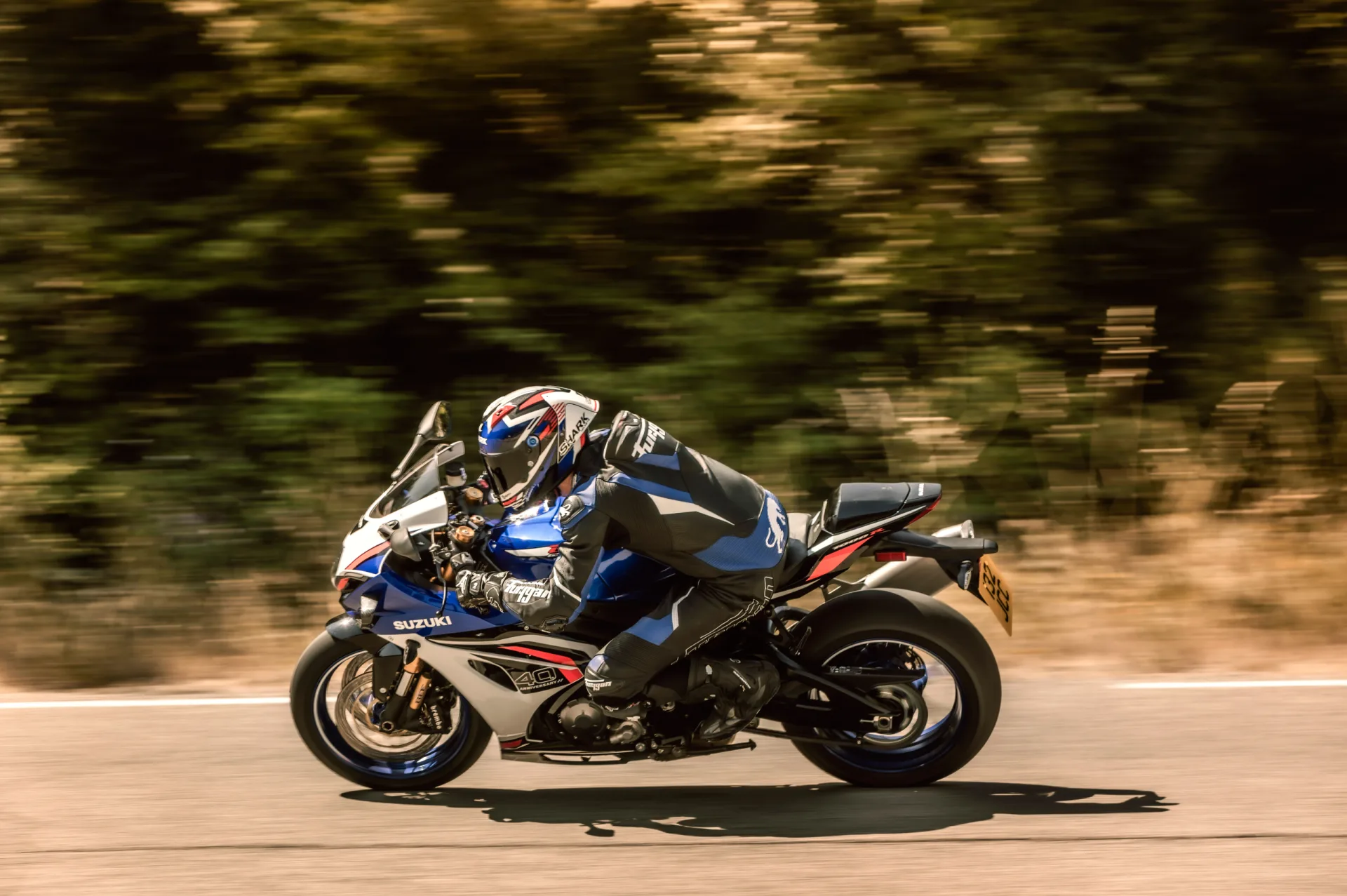
Suzuki's motorcycle business increased first-half revenue by 22.0 per cent and operating profit by 25.8 per cent as higher sales in India offset softer volume in parts of Asia.
The manufacturer released its fiscal 2026 second-quarter results on November 10. For the six months from April 1 to September 30, 2026, motorcycle revenue reached ¥255.9 billion, up ¥46.1 billion from the same period a year earlier. Motorcycle operating profit rose ¥5.8 billion to ¥28.3 billion.

India supplies most of the unit growth
Suzuki sold 1.167 million motorcycles globally during the half, an increase of 56,000 units, or 5.0 per cent. India accounted for 613,000 sales, up from 566,000. That approximately 47,000-unit increase represents most of the company's global gain. The presentation reports these sales and production figures in thousands, so regional totals and changes are subject to rounding.
European volume rose to 23,000 units from 17,000, while the category Suzuki labels "Others" increased to 183,000 from 159,000. Sales in the rest of Asia declined to 318,000 from 341,000. Japan slipped to 13,000 from 14,000. North America was reported at 16,000 units in both periods in the rounded regional table.
Production showed a different pattern. Global motorcycle output was 1.123 million units, only 0.3 per cent above the prior year. India produced 668,000 units, up from 623,000, while Asian production outside India fell to 348,000 from 391,000. Japan produced 38,000 units, down from 41,000.
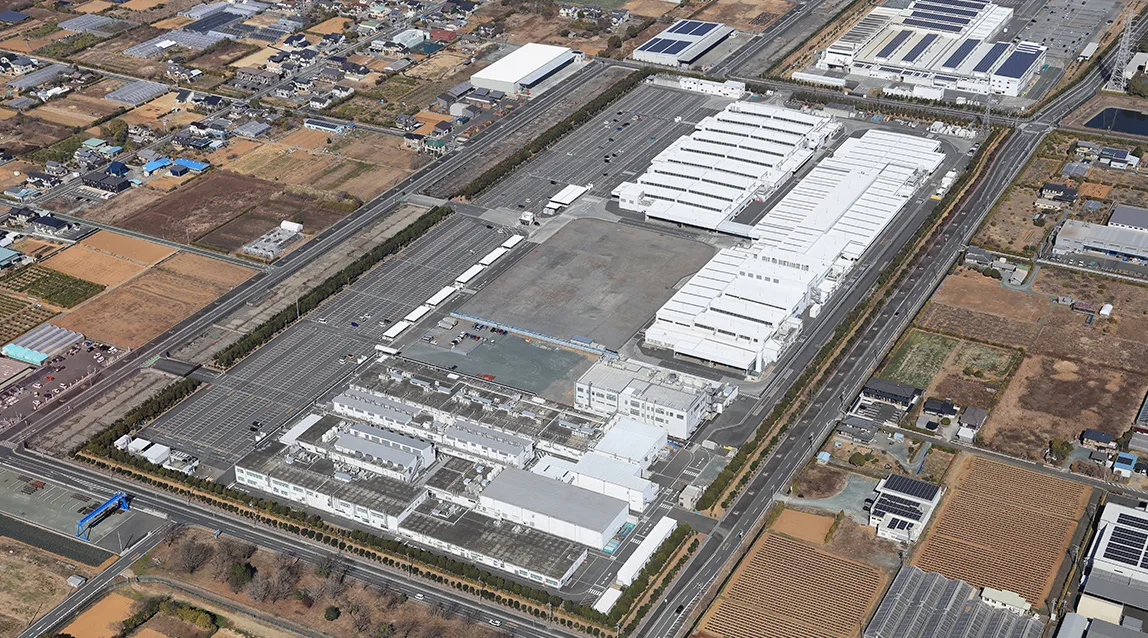
The combination shows why regional mix matters. Suzuki did not need a large increase in total global production to generate stronger motorcycle revenue and profit. Regional volume and product mix can affect financial performance alongside selling prices, exchange rates and costs. The higher global revenue therefore does not establish that every region or product category grew at the same rate.
A profitable motorcycle segment inside a larger group
Across all businesses, Suzuki reported consolidated revenue of ¥3.4192 trillion, up 19.4 per cent. Operating profit increased 5.5 per cent to ¥291.6 billion. Profit before tax rose 20.8 per cent to ¥401.4 billion, and profit attributable to owners of the parent increased 31.6 per cent to ¥253.7 billion.
The company said stronger earning power and sales growth offset continued raw-material cost pressure. It left its full-year forecast unchanged at ¥6.9 trillion in revenue and ¥540 billion in operating profit. Suzuki expects higher sales volume, primarily in India, to offset higher input costs.
The unchanged forecast covers the full fiscal year ending March 31, 2027. Currency movements, commodity costs, demand and production conditions can affect the outcome during the remaining six months. For the motorcycle operation, the first-half data provide a completed result: higher revenue, higher operating profit and modestly higher global unit volume.
What the North American number says
North America's reported 16,000-unit total deserves a cautious reading. Both periods round to the same number, which does not establish that underlying sales were exactly unchanged. The presentation also does not separate Canada from the rest of North America. Canadian dealers cannot use that regional comparison to claim either a domestic sales increase or a domestic decline. It provides context for the global result, with less precision than a country-level retail report would offer.
Canadian availability, pricing and allocation cannot be read from the global results. Suzuki Canada will still make market-specific decisions, and exchange rates, freight, certification and dealer inventory shape what reaches local showrooms. A strong global segment can support product and manufacturing investment, but it does not automatically translate into more Canadian units or lower prices.
Motorcycle sales, production and financial results also measure different things. Production is output during the period; sales reflect the volume reported by the manufacturer. Neither figure supplies Canadian dealer inventory, customer registrations or showroom transaction prices. Comparing the measures helps describe the business, but treating them as interchangeable would obscure how inventory and regional distribution affect the route from factory to customer.
Dealer implications are practical
For dealers, the most useful response is to compare local demand with the global pattern. A store can track Suzuki new-unit turns by category, age inventory by model and colour, and watch whether parts and service demand is keeping pace with the installed fleet. If North American wholesale availability tightens or expands later, dealers will need current order-bank and retail-turn evidence rather than assumptions based on worldwide totals.
The India-led growth also illustrates the importance of market-specific products. Much of Suzuki's volume comes from practical motorcycles and scooters that do not mirror the mix in a Canadian showroom. Suzuki Canada offers road motorcycles and dual-sports alongside a separate ATV range; the motorcycle sales table does not report ATV volume. Global unit numbers therefore say more about the manufacturer's scale and investment capacity than about the exact machines a Canadian dealer will sell next season.
Suzuki's first-half motorcycle results show higher revenue and operating profit, with India supplying most of the global unit increase and Europe improving from a smaller base. Sales elsewhere in Asia weakened. For Canada, the rounded North American figure leaves important questions open. Model availability, dealer allocations, local pricing and Canadian retail performance remain separate measures that the worldwide financial results do not supply.