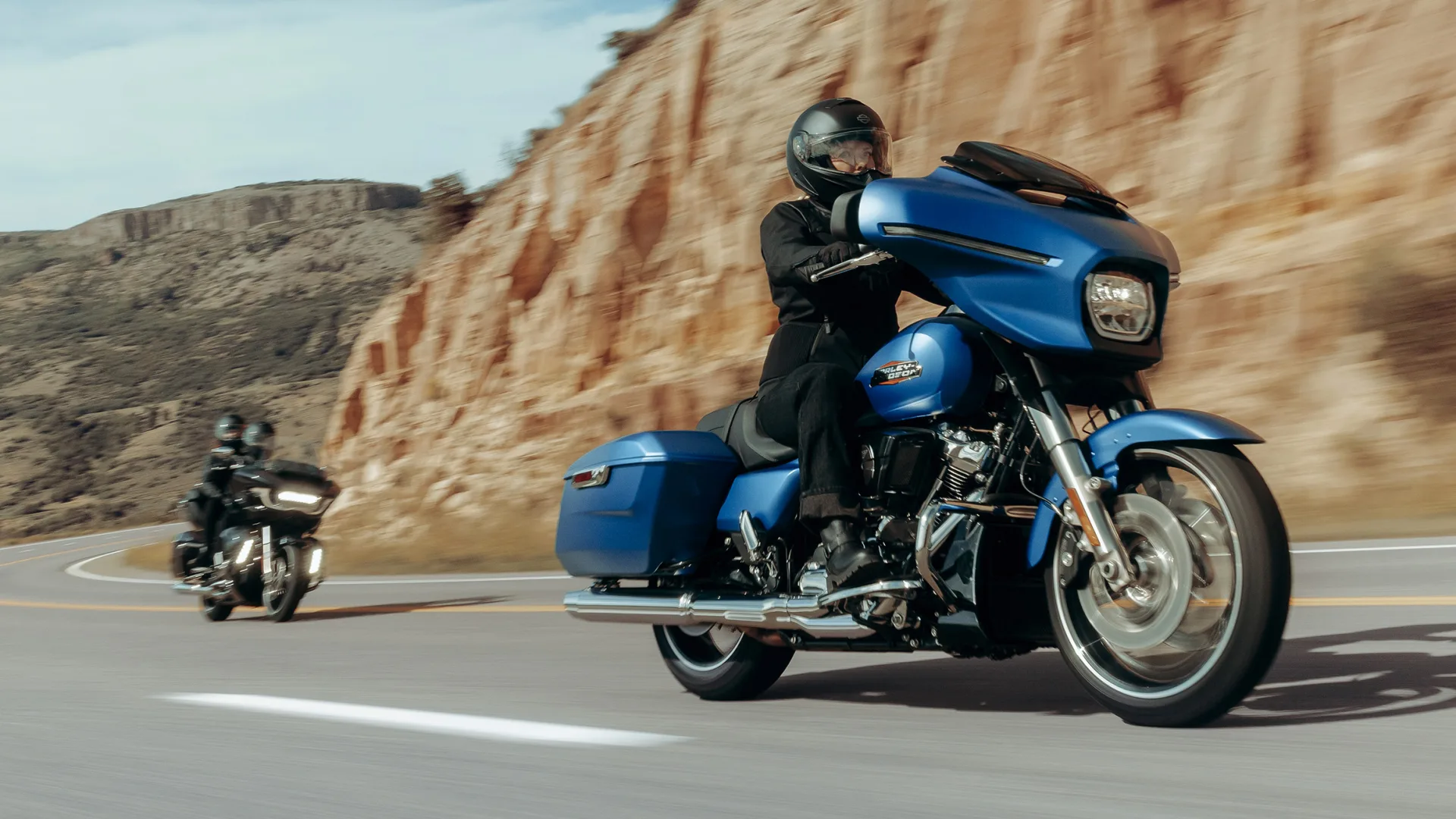
Harley-Davidson’s Canadian retail sales increased to 1,791 motorcycles in the third quarter of 2026, up from 1,683 a year earlier. The increase of 108 motorcycles represents growth of 6.4%, calculated from the company’s reported totals. Results released October 29 show a better Canadian quarter alongside a broader North American recovery, but they also show why one positive period should not be mistaken for a completed turnaround across every measure.
A stronger quarter, with a year-to-date gap
Canadian retail volume for January through September reached 5,526 motorcycles, compared with 5,595 during the same period of 2025. That leaves the nine-month total down 69 motorcycles, or approximately 1.2%. The quarter and year-to-date comparisons answer different questions: recent demand improved, while the accumulated result still reflects weaker periods earlier in the year.
That distinction matters for Canadian dealers planning staffing, inventory and customer follow-up. A national quarterly increase can be encouraging without describing the experience of every store. Regional riding seasons, local customer traffic, available models and the timing of deliveries can produce different outcomes. The company’s country total provides a benchmark, not a substitute for a dealership’s own sales and inventory records.
Retail demand and wholesale shipments diverged
Harley-Davidson reported North American retail growth of 9% and worldwide retail growth of 5%. At the same time, global factory motorcycle shipments declined 8% to 33,616 units. Those movements are compatible because retail sales measure motorcycles reaching customers, while wholesale shipments measure motorcycles moving from the manufacturer into distribution.
When customers buy from existing dealer stock while factory replenishment slows, retail demand can improve even as manufacturer shipment revenue declines. The distinction is especially useful during an inventory adjustment. A shipment decline by itself does not establish that showroom demand weakened, just as higher retail volume does not mean every dealer needs to order more motorcycles immediately.
Inventory became smaller and newer
Global dealer inventory ended the quarter 26% below the prior-year level and 6% below the previous quarter. In North America, current 2026 models represented 91% of dealer inventory, compared with an 86% current-model-year share at the same point in 2025. These are regional and global measures; the release does not provide an equivalent Canada-only inventory breakdown.
For dealers, lower inventory can reduce capital tied up in unsold motorcycles, but the useful objective is an appropriate mix rather than the smallest possible showroom. A store can have fewer units overall and still carry too many slow-moving configurations or too few of the models customers request. Age, trim, colour and the cost of carrying each motorcycle remain practical measures alongside unit count.
Motorcycle revenue did not track retail growth
The motorcycle business reported revenue of US$964 million, down 10%, and operating income of US$44 million, down 18%. Lower wholesale volume contributed to the revenue decline. These figures describe the manufacturer’s motorcycle segment, rather than the combined sales or profitability of Canadian dealerships.
The contrast reinforces the need to keep the measures separate. Retail growth can improve the health of the distribution channel before it produces higher factory revenue. Likewise, a manufacturer’s operating margin does not reveal what an individual store earns after rent, payroll, financing and other local expenses. Financial amounts are stated in U.S. dollars.
What the Canadian numbers can establish
The Canadian comparison is specific: third-quarter retail volume improved against the same quarter last year, while the nine-month total remained slightly lower. It does not establish a market-wide motorcycle recovery, a province-by-province result or a change in the availability of a particular model. Harley-Davidson’s performance should not be presented as a sales estimate for competing brands.
The company also notes that retail figures are compiled from dealer warranty and registration information, are not regularly verified by the company and may be revised. These are the company’s reported retail figures, rather than a final, independently verified registration census. They provide a defined measure of the improvement while remaining subject to that reporting limitation.
What shoppers and dealers should take from it
For shoppers, the report is useful context rather than a promise of a discount, a financing approval or an immediate delivery. The relevant transaction still involves a specific motorcycle, a local dealer and a written breakdown of price and charges. Lower national or global inventory does not establish whether that exact unit is scarce in a particular community.
For dealers, the clearest next comparison is between the stronger Canadian quarter and their own recent conversion, aging and replenishment decisions. The Q3 result supports a measured reading: Canadian demand improved during the quarter, distribution stock became leaner globally, and the remaining year-to-date gap gives the next reporting period a concrete benchmark.