Ski-Doo has announced the recipients of its 2026 Snow PASS grants, awarding funding to more than 50 snowmobile clubs across North America for projects intended to maintain trails, preserve riding access and strengthen local snowmobile organizations.
The September 15 announcement comes from Ski-Doo and parent company BRP, headquartered in Valcourt, Quebec.
Approved organizations can receive grants of up to $5,000, with projects spanning trail infrastructure, bridge repairs, signage improvements, access preservation, volunteer recruitment and programs designed to introduce new riders to snowmobiling.
For Canadian riders, the program is directly relevant because Snow PASS is open to eligible national, provincial and local organizations in Canada as well as organizations in the United States.
More than 50 clubs receive 2026 grants
Ski-Doo says more than 50 clubs were selected for the 2026 funding round.
The company did not frame the grants as one centralized infrastructure project. Instead, the money is distributed to local organizations carrying out individual projects in the communities where riders actually use trail systems.
That distinction is important in snowmobiling.
Much of the riding experience depends on local clubs and volunteers who maintain trails, coordinate access with landowners, repair infrastructure, install signage and operate grooming programs.
A relatively small local project can therefore have a direct effect on whether a route remains usable during the season.
Funding can reach $5,000 per project
Ski-Doo's Canadian Snow PASS program states that grants of up to $5,000 are available.
Eligible projects can include work to protect or increase riding access, improve trail infrastructure, support safety initiatives, strengthen volunteer participation and make snowmobiling more accessible to new riders.
The program requires applicants to be non-profit or government organizations and to be registered with recognized snowmobile organizations.
Ski-Doo says selection considers factors including the project type, scale, location and number of people affected.
Trail access is the central issue
The September 15 release identifies trail infrastructure and access preservation as major funding priorities.
Examples include bridge repairs and signage, two areas that may sound routine but can determine whether a trail system remains safe and connected.
Snowmobile clubs frequently operate on a mixture of public and private land. Maintaining access requires more than grooming snow after winter begins.
It can require year-round coordination, repairs, volunteer work and landowner relationships.
That is why Ski-Doo describes the program around four words: Protect, Access, Sustain and Support.
Dealer participation is part of the program
Ski-Doo says the Snow PASS initiative is supported by its dealer network across North America.
That dealer involvement is relevant because it connects local retailers with clubs and trail systems that sustain participation in the sport.
For a snowmobile dealership, trail access is not separate from the health of the market.
If riders lose convenient or legal places to ride, the ownership proposition becomes weaker regardless of product development.
Supporting clubs therefore has a practical industry dimension in addition to the community benefit.
More than $1.5 million contributed since launch
BRP's September 15 release says the Snow PASS program, with support from Ski-Doo dealers, will have contributed more than CAD $1.5 million to hundreds of community-led projects since its launch.
That is the newest figure published by the company.
The current Canadian Snow PASS webpage still references an older total of more than CAD $1.2 million, so the September 15 press release represents the more recent program total.
The increase indicates that the grant program has continued to expand its cumulative funding.
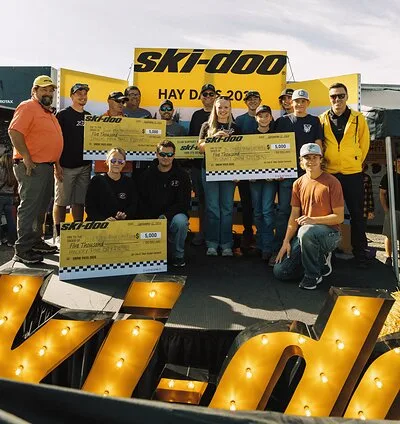
Three recipients were highlighted at Hay Days
Ski-Doo says three club recipients were announced September 12 at the annual Hay Days event.
The broader September 15 announcement extends the funding news to the full 2026 grant round across North America.
That timing gives the program a natural pre-season focus.
Most snowmobile trail work must happen before sustained winter conditions arrive, particularly for bridge work, signage, access agreements and structural repairs.
What this means for Canadian clubs
Canadian organizations interested in future funding should pay attention to the project types Ski-Doo is supporting.
The program is not limited to major construction.
Eligible work can include trail development and maintenance, safety projects, volunteer engagement, improved accessibility and initiatives that welcome new riders.
For clubs with limited budgets, that makes the program potentially useful for targeted projects that might otherwise depend entirely on membership revenue, fundraising or volunteer donations.
What this means for dealers
For dealers, the program is another reminder that powersports demand depends partly on the infrastructure surrounding the product.
A snowmobile is more useful when riders have maintained, connected and accessible trail networks.
Dealer involvement with local clubs can therefore support both community participation and the long-term health of the snowmobile market.
That does not mean every grant produces a measurable retail result, and Ski-Doo's funding announcement should not be treated as a sales forecast.
It does show direct manufacturer and dealer investment in the riding environment itself.
Bottom line
Ski-Doo's 2026 Snow PASS program is directing grants of up to $5,000 to more than 50 snowmobile clubs across North America.
The funded work includes trail infrastructure, access preservation, bridge repairs, signage, volunteer recruitment and new-rider initiatives.
BRP says the program and its dealer network will have contributed more than CAD $1.5 million to community-led projects since launch.
For Canadian snowmobilers, the significance is straightforward: the funding goes toward the local trail systems, access agreements and volunteer organizations that make riding possible in the first place.