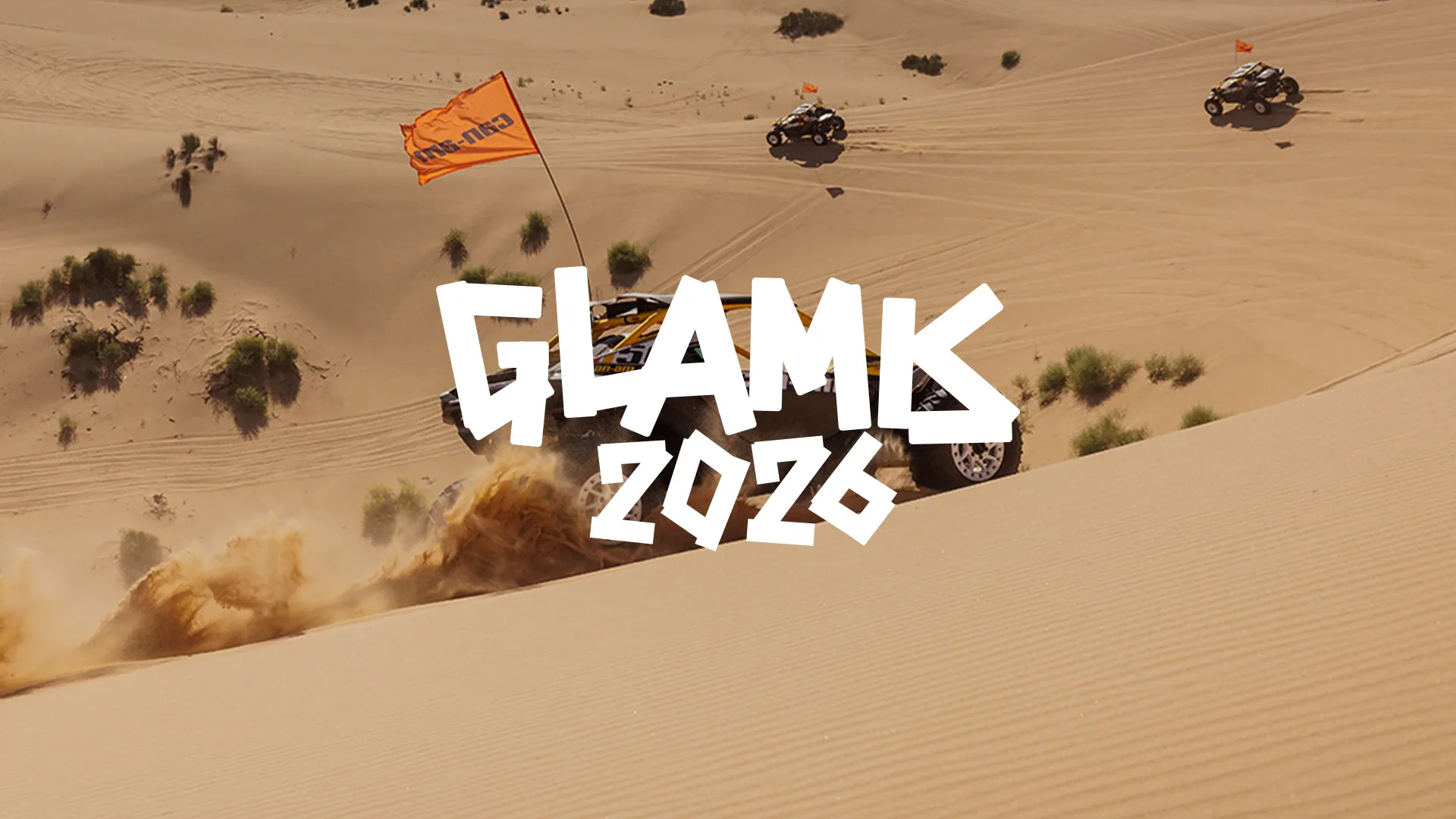
Quebec-headquartered BRP is taking product support into the field with a purpose-built Can-Am Defender Recovery Rig. Unveiled October 27, the six-wheel mobile workshop will operate at California’s Glamis dunes from October 29 through 31, providing free assistance to riders regardless of vehicle brand. The project is part demonstration vehicle, part technical support experiment and part safety initiative in a high-traffic off-road environment.
A Defender built around recovery work
The rig starts with a Defender 6x6 Limited and its six-foot conversion cargo bed. Can-Am quotes a 3,000-pound towing capacity, then adds front and rear winches, heavy-duty snatch blocks and kinetic recovery ropes. The setup is intended to upright rolled side-by-sides, recover vehicles from deep sand and tow disabled machines.
The bed also carries a high-output compressor, air storage, beadlock tools and tire plugs. Trail failures are often simple but immobilizing: a tire unseated from a bead, a cut tread, a dead battery or a damaged suspension link. Carrying equipment for those common cases can turn a rescue from a long tow into a repair completed on site.
Diagnostics and communications are central
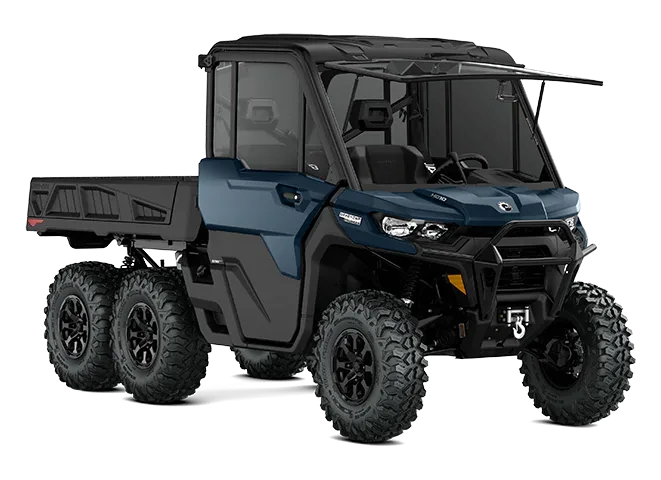
BRP’s BUDS3 diagnostic software is installed on board so the crew can read electronic-fuel-injection fault codes, review sensor behaviour and assess system health. The vehicle also carries Rotax belts, tie rods, radius rods, A-arms, cooling-system repair materials and fluids. A dual-battery arrangement and high-output jump starters address electrical problems. The all-brand assistance policy should not be confused with universal electronic diagnostics: BUDS3 is BRP’s diagnostic system. The tools and parts listed describe the crew’s capabilities, but the announcement does not promise that every fault on every manufacturer’s vehicle can be repaired in the dunes.
A roof-mounted Starlink terminal provides an open Wi-Fi hotspot. In an area with weak mobile coverage, connectivity can be as valuable as a winch: riders can contact their group, open maps or coordinate emergency response. Can-Am describes the vehicle as a communications hub as well as a mechanical garage.
Free, all-brand support
The Can-Am Mobile Pit Crew is scheduled to work from 9 a.m. to 6 p.m. each day from Thursday, October 29 through Saturday, October 31. The rig will circulate through Oldsmobile Hill, Old Wash Road, Osborne Overlook and Competition Hill. Riders can request support by texting their coordinates to 262-888-3207. The official event page says this is a text-only service and that phone calls will not be taken. It directs riders with an emergency to call 911 immediately rather than wait for the pit crew.
The all-brand policy is strategically important. Helping a stranded rider on a competing machine provides an immediate service without requiring a purchase, while also placing Can-Am technicians and equipment in front of a broad off-road audience. It creates a brand experience through competence rather than a conventional sales pitch.
A travelling program, not a one-off build
After Glamis, BRP plans to deploy the Recovery Rig at the 2027 King of the Hammers, Mud Nationals, UTV Takeover and the next Glamis Halloween gathering. That calendar turns the vehicle into a recurring field-support platform and should give the company data about which failures occur, which parts are consumed and what riders need in remote settings.
For Canadian dealers, clubs and event organizers, the model is noteworthy even though the first published events are in the United States. A mobile support unit can combine safety, customer service, product education and parts expertise at large rides. Canadian terrain and distances make the concept relevant to backcountry ATV and side-by-side events, provided logistics and emergency boundaries are clearly defined.
Why the Canadian industry should care
BRP is a Canadian manufacturer with an international dealer and event footprint. The Recovery Rig shows how a company can extend its product ecosystem beyond the machine itself and into the ownership experience. It also highlights accessories, diagnostic tools and field-service knowledge that normally remain behind a dealership service counter.
The real test will be operational. Response times, the number and type of recoveries, safety protocols and the division between mechanical help and emergency services will determine whether the concept scales. If the Glamis deployment works, the result could influence how manufacturers and dealers support major off-road gatherings across North America.
The deployment also creates a useful measurement opportunity. If BRP records calls by location, failure type, repair time and vehicle brand, it can learn where riders struggle and which tools deliver the greatest benefit. Aggregated operational data could improve future event planning without turning assistance into a sales qualification exercise. Organizers will also need clear escalation rules. A mechanical recovery crew cannot replace police, fire, ambulance or land-management authorities. Publishing operating hours, contact methods and service limits helps riders understand when the mobile unit is appropriate and when a formal emergency response is required. That distinction protects both participants and technicians.