BMW Motorrad Deliveries Fall 12.5 Per Cent in the Third Quarter
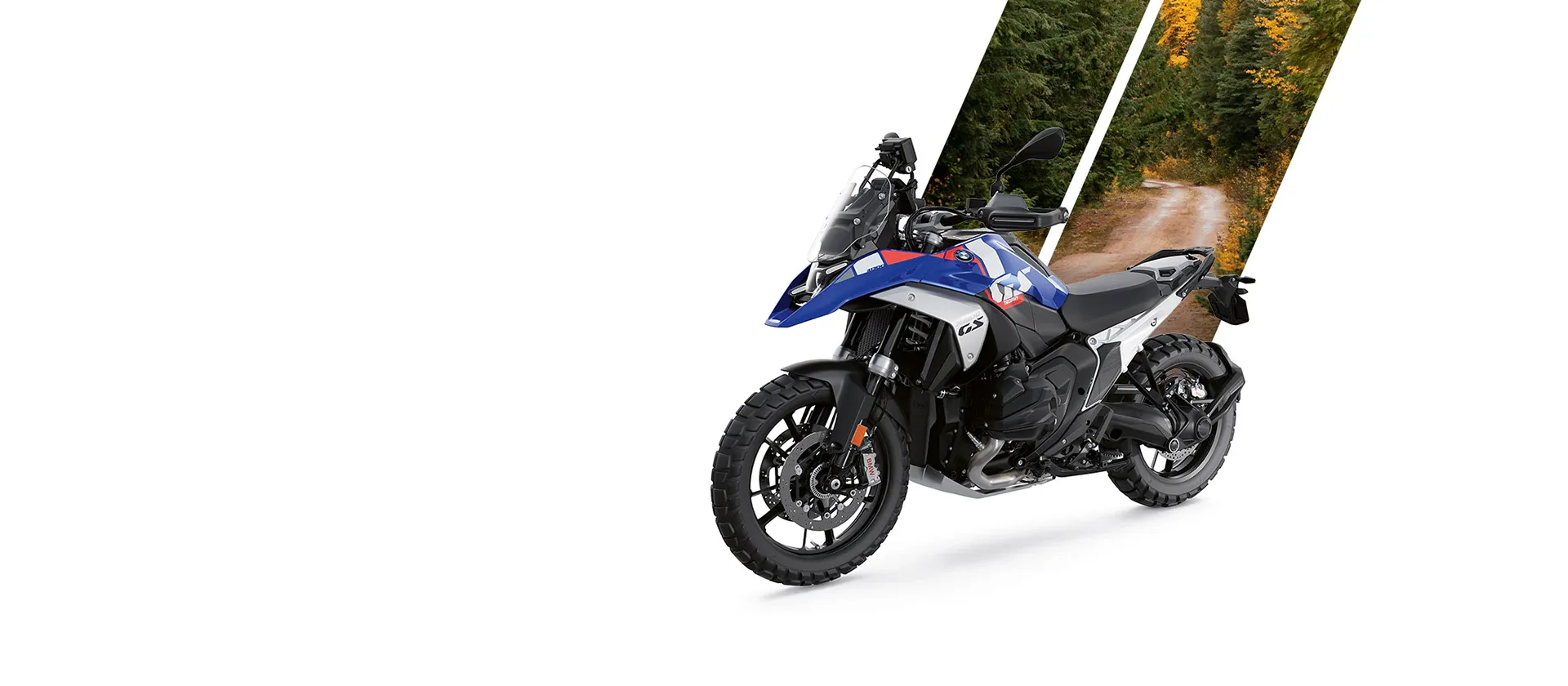
BMW Motorrad delivered 46,605 motorcycles and scooters worldwide in the third quarter of 2026, a decline of 12.5 per cent from the same period last year. Through the first nine months, deliveries totalled 149,452, down 6.1 per cent. The figures were included in BMW Group's October 13 sales release and provide a current, manufacturer-reported view of demand at one of the largest premium motorcycle brands.
The quarterly change is more severe than the year-to-date result, which indicates that pressure increased during the July-to-September period. It does not, by itself, identify the cause. BMW's release presents Motorrad as one line in a broader group sales table and does not break motorcycle deliveries down by country, model or retail channel. Any explanation involving pricing, interest rates, inventory or regional weakness must therefore be treated as analysis rather than a confirmed company attribution.
The distinction between deliveries and registrations also matters. Manufacturer delivery figures can reflect how the company records vehicles supplied to customers under its reporting method, while national registration data may use different timing and definitions. The release says the figures are provisional and may change before BMW Group publishes its 2026 annual report. They are still useful, but they should not be presented as a complete measure of Canadian retail demand.
For Canadian BMW Motorrad dealers, the global decline is a signal to inspect local evidence more closely. A store should compare lead volume, test rides, orders, inventory age and gross profit by model rather than assume its market mirrors the worldwide percentage. Premium touring and adventure customers can behave differently by region, and Canada's short riding season concentrates demand in ways that a global quarterly total cannot show.
Inventory discipline becomes more important when deliveries soften. Dealers holding expensive motorcycles face carrying costs, insurance, floorplan exposure and the risk that a later model announcement makes current stock harder to sell. The answer is not indiscriminate discounting. A cleaner response is to identify which units are aging, which have strong accessory opportunities and which customers can be reached with a specific ownership proposition.
Used motorcycles are part of that response. A buyer who hesitates at a new premium model may still enter the brand through a well-prepared used machine. Trade appraisal, service history and realistic reconditioning are therefore connected to new-unit performance. A dealer with credible used inventory can preserve a customer relationship even when the new-bike price exceeds the buyer's current budget.
Service and accessories provide another stabilizing layer. Existing owners still require maintenance, tires, storage preparation, travel equipment and repairs regardless of the new-unit cycle. The most resilient dealership uses the whole ownership relationship rather than relying on a single transaction. In Canada, fall service work and winter planning can help smooth the seasonal gap after the main road-riding months.
For consumers, slower global deliveries do not automatically mean immediate Canadian discounts. Pricing decisions depend on local inventory, exchange rates, model supply and dealer programs. Buyers should compare the full transaction: MSRP, freight, preparation, financing, trade value, insurance and accessories. A promotional rate can reduce financing cost, but only if the term and selling price remain competitive.
The numbers also show why product launches need to be judged against market capacity. Premium manufacturers continue to add electronics, performance and niche variants, but every additional model asks dealers to stock, train and market another configuration. A broad range can attract more customers; it can also fragment demand. Clear ordering data and disciplined demonstration fleets become more valuable when total volume is under pressure.
BMW Motorrad remains a major global brand with 149,452 deliveries through September, so the result is not a collapse. It is a meaningful contraction and a reason to monitor the fourth quarter carefully. The next decisive evidence will be BMW Group's full-year delivery total, any regional motorcycle breakdown and Canadian registration or dealer data that can show whether local performance follows the global direction.
For now, the responsible conclusion is limited but important: BMW Motorrad's third quarter weakened faster than its nine-month result. Canadian dealers should treat the figure as an external market warning, test it against their own operating data and focus on inventory quality, customer retention and after-sales work rather than assuming a single global percentage dictates every local decision.