Yamaha Moves Its DiASil Motorcycle Cylinders to Recycled Aluminum
Yamaha Motor will progressively change the raw material used in its proprietary all-aluminum DiASil cylinders from virgin aluminum to recycled alloy. Announced October 6, the change will begin with commuter motorcycles produced in Indonesia and is planned to expand across all products using the cylinder technology. Yamaha estimates that completing the transition by 2030 could reduce carbon-dioxide emissions by about 47,000 tonnes per year.
A material change inside a proven component
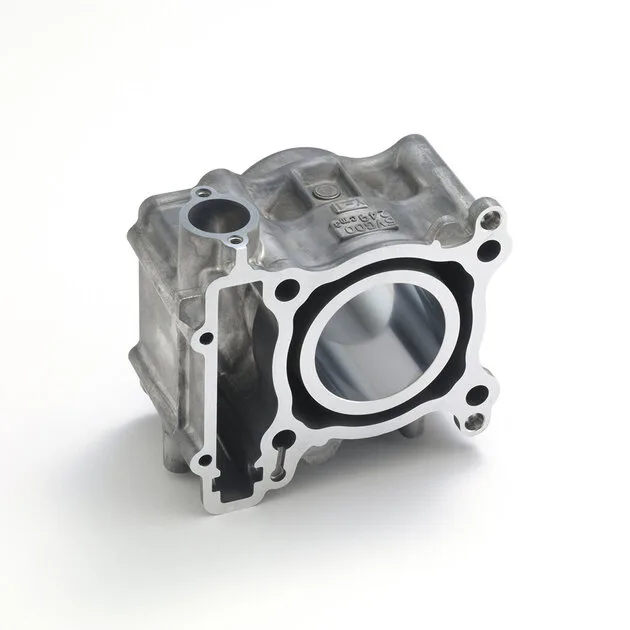
DiASil is Yamaha's name for an all-aluminum cylinder that uses neither an iron sleeve nor plating. The company first deployed the technology in 2002 and uses it across motorcycle and scooter models. Yamaha credits the design with wear resistance, seizure resistance, heat dissipation, lower weight, recyclability and manufacturing-cost benefits.
Changing the alloy is not visually dramatic, but it touches a component exposed to heat, friction and tight tolerances. That makes the validation burden more demanding than substituting recycled material in a non-structural cover or decorative part.
Why recycled aluminum was difficult
Conventional recycled aluminum can contain trace impurities that alter metal microstructure, surface characteristics and corrosion performance. Yamaha says those variations previously made it difficult to meet the standards required for DiASil production.
The company developed an alloy using thermodynamic calculations, then carried out bench testing and vehicle evaluation. It says the recycled material met functional requirements and can be used with the existing production process. The release does not publish the full alloy composition or independent test data.
The rollout starts with commuter models
The first applications will be commuter motorcycles produced in Indonesia. Yamaha plans a global rollout, but it has not named every model, factory or market sequence. Canadian riders should therefore not assume that a specific motorcycle sold here changes material immediately.
The staged approach lets the company integrate material supply and quality control before the 2030 target. Product documentation, parts supersessions or manufacturing information may eventually reveal when particular Canadian-market engines move to the new alloy.
What the emissions figure means
Yamaha estimates approximately 47,000 tonnes of annual carbon-dioxide reduction once all DiASil products have switched. That figure concerns the raw-material transition across the relevant product base, not the tailpipe emissions or fuel consumption of an individual motorcycle.
The initiative supports Yamaha's broader goal of replacing all aluminum raw material used in its own manufacturing with sustainable alternatives by 2030. It also forms part of the company's 2050 carbon-neutrality plan covering business activity and supply-chain emissions.
Canadian owner and service implications
Owners should not expect a different maintenance schedule solely because recycled aluminum is used. Yamaha says the new alloy meets the required functions and works with the same production processes. Any model-specific service change would need to appear in official manuals or bulletins.
Dealers may receive questions about durability or whether recycled material means reused parts. The accurate explanation is that the feedstock has been recycled and engineered into a controlled alloy; the cylinder remains a newly manufactured component. Warranty and parts guidance should still come from Yamaha Canada.
Why manufacturing stories belong in powersports
Motorcycles are shaped not only by model launches but by decisions in casting, materials, logistics and production. Those choices affect embedded emissions, cost, supply security and the ability to manufacture components at scale.
A successful change in a high-demand engine component can be more consequential than a small cosmetic update. It also gives dealers a specific sustainability claim to explain, provided they keep the company estimate and rollout limits clear.
The evidence to watch next
The next useful milestones are the first named production models, the geographic rollout and any published verification of the emissions estimate. Canadian relevance becomes direct when Yamaha identifies motorcycles or scooters supplied here with the recycled-alloy cylinder.
For now, the announcement shows how a manufacturer is applying recycled material to a technically demanding proprietary component. The engineering claim is not that recycled aluminum is automatically equivalent, but that Yamaha designed and tested an alloy intended to meet the same functional requirements.
Supply consistency will be as important as laboratory performance. A global program needs controlled recycled feedstock, repeatable casting and inspection across production volumes. Those operational details will determine whether the environmental gain can be delivered without compromising quality or parts availability.