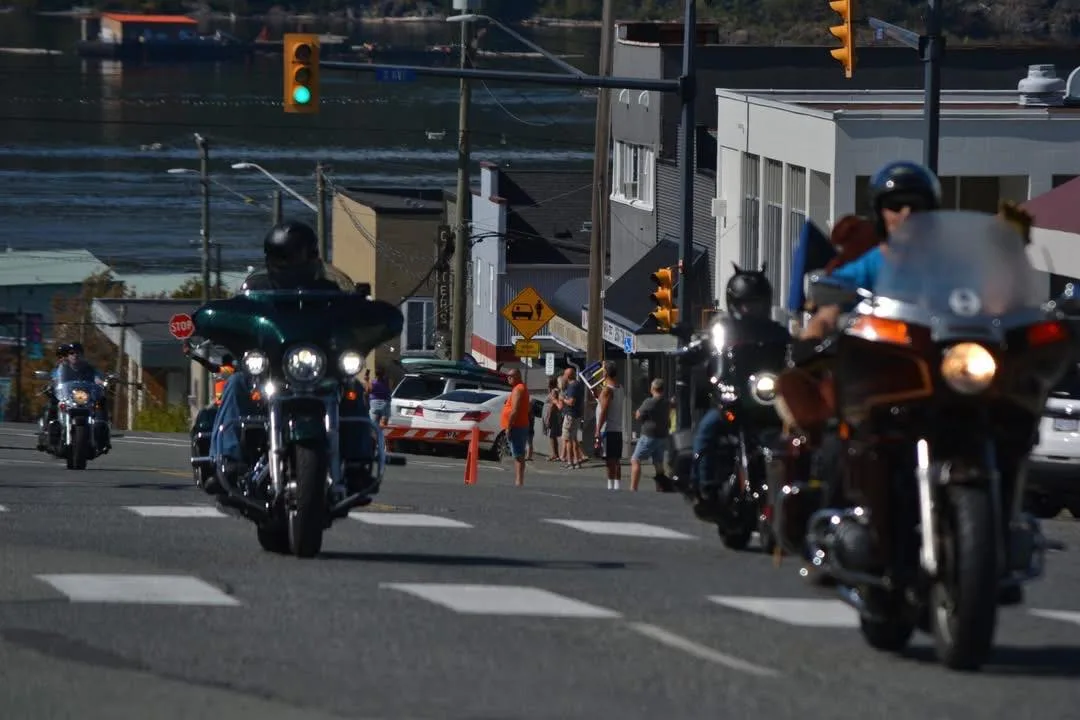
Motorcyclists gather in Mississauga today for the Ride for Boots on the Ground, a one-day fundraiser supporting confidential peer assistance for first responders across Ontario. Registration runs from 8:30 to 9:30 a.m. at the Peel Regional Police Association, with kickstands up at 10. The organizer lists a $30 rider fee and $20 passenger fee and says 100 per cent of funds raised will go to Boots On The Ground.
A ride tied to a specific service
Boots On The Ground provides confidential, caring and compassionate peer support to first responders in Ontario. The organization is operated by volunteers. The motorcycle event brings riders, passengers, first responders and supporters together around that service rather than using mental health as a general theme without a defined beneficiary.
The approximately 200-kilometre ride includes a poker stop, lunch and fundraising activities such as a raffle, auction and 50/50 draw. Those elements give participants several ways to contribute, while the published destination and event instructions provide a structured alternative to an informal group ride.
Why confidentiality matters
First responders can be exposed to traumatic incidents repeatedly, yet professional culture, privacy concerns or fear of career consequences may make it difficult to ask for help. A peer-support program can provide contact with someone who understands the work environment and can listen without turning the conversation into a public event.
A charity ride cannot replace clinical care, crisis services or workplace responsibility. Its value is in raising funds and awareness for an established support option. Public discussion should respect that boundary. Participants do not need to disclose personal experiences to prove the cause is important, and no one should be pressured to become a public example.
Preparing for a 200-kilometre group ride
Riders should arrive with a motorcycle ready for the distance and the day’s conditions. Tire pressure and condition, brakes, lights, mirrors, fuel and fluid levels deserve attention before registration. A passenger changes weight and handling, so suspension settings and tire pressures should follow the motorcycle manufacturer’s guidance for the load.
Passengers need proper protective equipment and a clear understanding of mounting, dismounting and communication. The rider should explain how the passenger can remain stable during braking and turns without making sudden movements. Both people should agree on a simple signal for discomfort or an urgent stop.
Group participation does not remove individual judgment
A large ride can create pressure to maintain a pace or follow the motorcycle ahead through an intersection. Every rider remains responsible for traffic signals, following distance and a safe line. If the group separates, the correct response is not to accelerate beyond comfort to close the gap. Organized rides should use planned regroup points and clear instructions.
Weather and fatigue also matter. A 200-kilometre day may be routine for one participant and demanding for another. Riders should use breaks, drink water and recognize declining concentration. Charity is not served by continuing when a rider is unwell or the motorcycle has developed a safety problem.
A constructive role for the motorcycle industry
Dealers, service departments and riding clubs can help by sharing verified event details, encouraging pre-ride inspections and keeping the cause visible. Support should not depend on turning the gathering into a product promotion. A practical contribution — volunteer time, a donation, collection support or a safety check — is easier for the community to understand.
The event also demonstrates why motorcycle communities remain useful networks. Riders already organize around routes, meeting points and shared interests. Directing that capacity toward peer support can introduce an important service to people who may not encounter it through ordinary advertising.
What is known today
The ride takes place today from the Peel Regional Police Association, with registration beginning at 8:30 a.m. and departure at 10. Rider and passenger fees are published, and the organizer states that all funds raised support Boots On The Ground. Fundraising and participation totals should wait for confirmation after the event.
The immediate value is the event itself: riders are using a Saturday on the road to support confidential assistance for first responders. That connection is specific, local and current. After the ride, organizers may publish verified participation or fundraising totals and explain how the proceeds will support the program’s capacity.