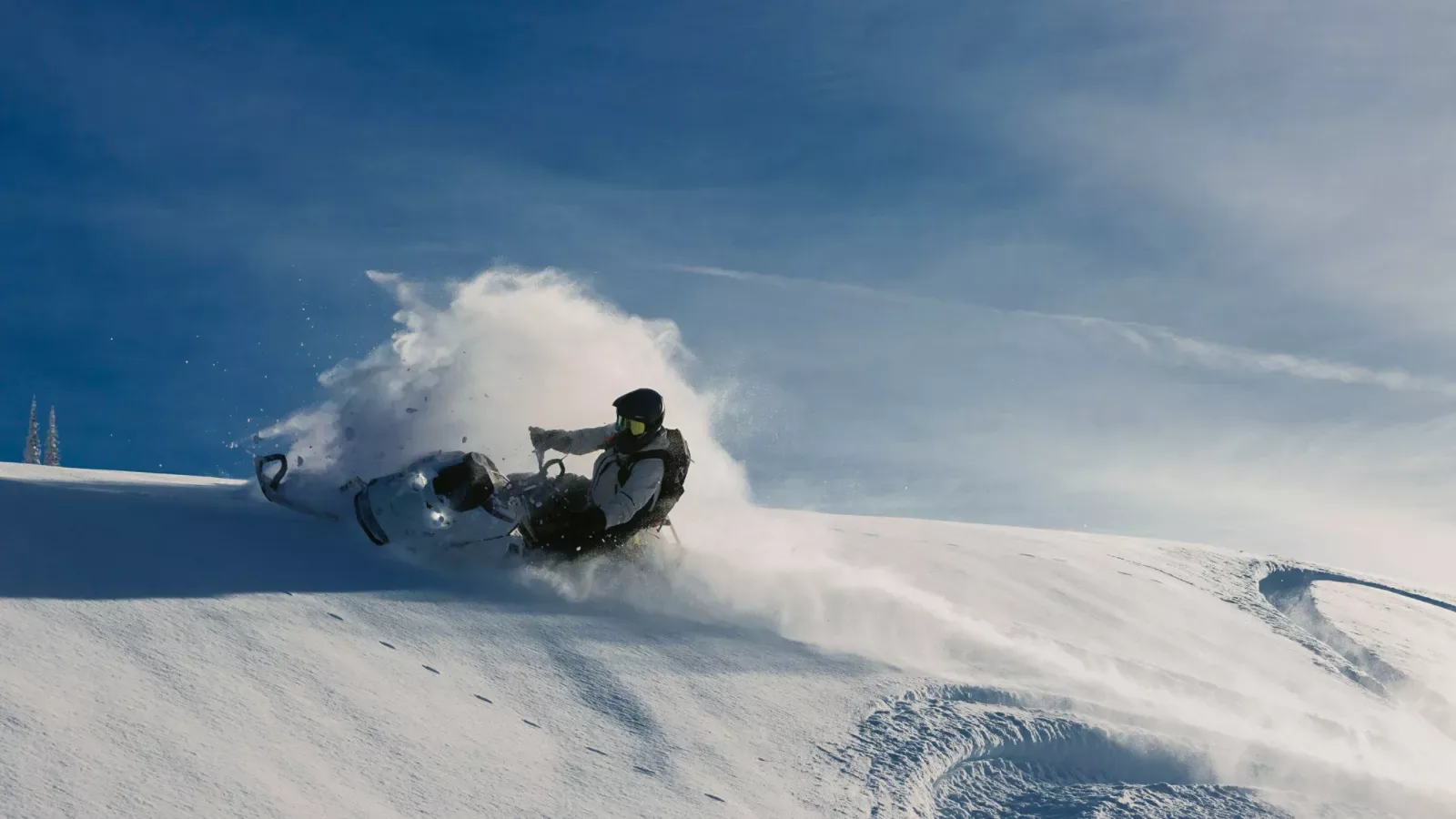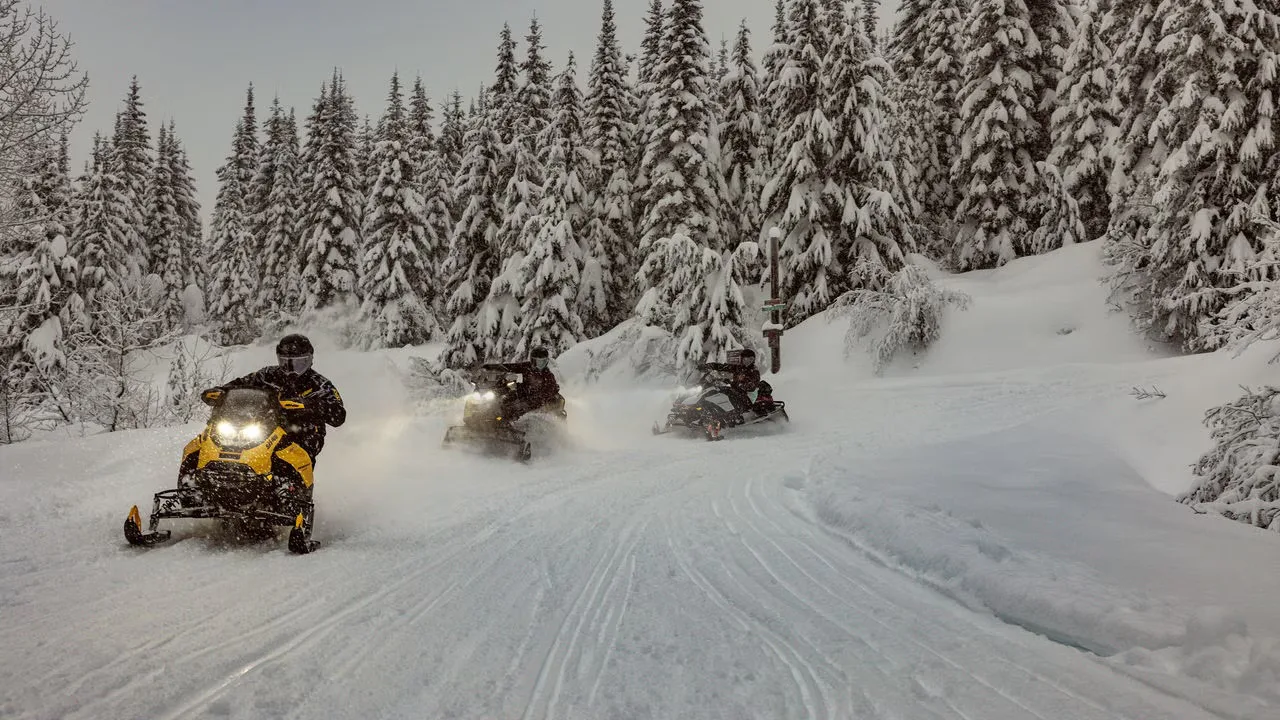
The Québec Snowmobile and ATV Show opens at noon Eastern Time on Friday, November 6, bringing snowmobiles, ATVs, side-by-sides and industry organizations together at the Centre de foires de Québec. The event runs November 6 through 8 at ExpoCité and arrives at the point in the calendar when many riders are making final equipment, service and trail-permit decisions for winter.
The organizer lists Friday hours from noon to 9 p.m., Saturday from 9:30 a.m. to 6 p.m. and Sunday from 9:30 a.m. to 4 p.m. A ticket is valid for all three days. Admission is $17 for adults, $10 for visitors aged 14 to 18 and free for children 13 and under. The venue address supplied by the organizer is 2005 rue de l'Exposition in Québec City, and visitor parking is recommended in lot P1.

A comparison opportunity before winter
A large powersports show is most useful when visitors treat it as a working comparison rather than a display hall. Snowmobiles, ATVs and side-by-sides can look similar on a specification sheet while differing greatly in ergonomics, storage, accessory integration and service requirements. Sitting on several machines, checking control reach and asking the same questions at each booth can reveal differences that are easy to miss online.
Riders shopping for a snowmobile should arrive with a clear description of where and how they ride. Groomed-trail touring, utility work, deep-snow riding and two-up use place different demands on suspension, track length, cooling and seating. Fuel range and luggage matter for long routes, while transport width and trailer capacity can determine whether a machine fits an existing setup.
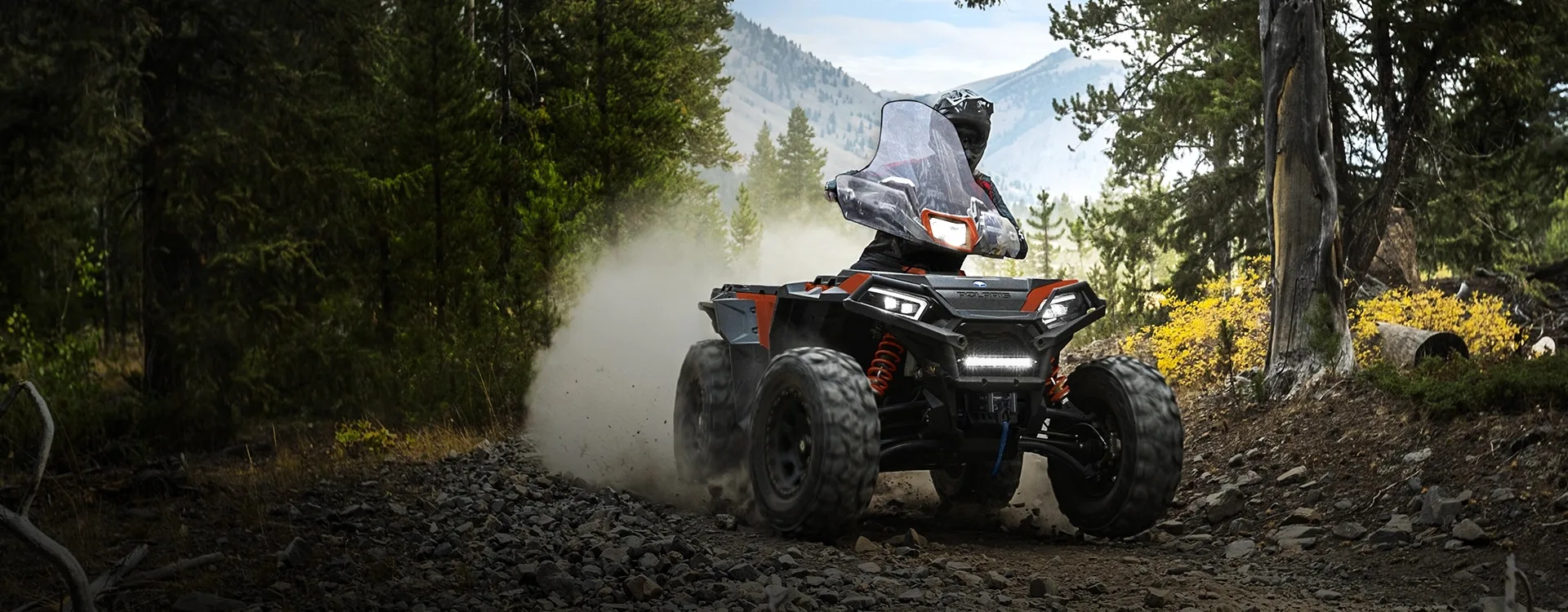
ATV and side-by-side shoppers face an equally wide set of choices. A machine intended for trail recreation may not be the best answer for snow clearing, hauling or hunting. Buyers should compare payload, towing rating, turning radius, ground clearance and the availability of purpose-built passenger seating. They should also ask which accessories are factory approved and whether adding a cab, plow, winch or tracks changes warranty coverage or service intervals.
Clubs and trail information matter as much as machines
The Fédération des clubs de motoneigistes du Québec identifies the weekend as an annual gathering for riders, manufacturers and industry professionals. It also notes that visitors who show proof of purchase of a 2027 trail permit can receive surprises at the event. That detail makes the show a useful place to connect product shopping with the trail network that gives the machines somewhere to operate.
Club and association booths can answer practical questions about local conditions, permits, volunteer work and trail etiquette. New riders should use the opportunity to learn where they can ride legally, what documents they need and how trail closures or land-use agreements are communicated. Experienced riders can ask about route changes, grooming plans and areas where volunteer help is needed.
Those conversations are especially valuable because access can change from one season to the next. A route shown in an old social-media post or saved GPS track is not proof that a trail is open today. Official maps, club notices and current signage remain the reliable sources.
What to ask before placing a deposit
The show environment can encourage quick decisions, but a deposit should follow a written understanding of the deal. Buyers should confirm the exact model year, colour, included accessories, freight and preparation charges, taxes, registration costs and expected delivery date. They should also ask whether the deposit is refundable and what happens if the delivery window changes.
Financing deserves the same care. A manageable payment can hide a long term or a high total borrowing cost. Comparing the annual percentage rate, term, cash price and total amount paid provides a clearer picture. Insurance should be quoted before purchase, particularly for high-output machines or younger operators.
Service access is another major factor. Ask how far ahead routine appointments are booked, which parts are normally stocked and whether the selling dealer can service added equipment such as track kits or cab heaters. A slightly lower purchase price can lose its appeal if the nearest qualified service is hours away.
Families can plan a full weekend visit
The three-day admission structure gives visitors flexibility. A first visit can be used to see the full floor and build a shortlist. Returning Saturday or Sunday makes it possible to revisit the strongest options with measurements, insurance quotes or another family member. Families with children 13 and under also benefit from free admission for that age group.
Visitors should wear comfortable footwear and keep notes or photographs of model placards, but they should ask before photographing people or restricted displays. Recording the name of the representative who provided a quote can make follow-up easier. If a purchase is not urgent, taking the information home for an overnight review can prevent an expensive mismatch.
A Canadian pre-season checkpoint
The Québec show is more than a collection of new machines. It is a pre-season checkpoint where riders can connect product choices with permits, local clubs, safety equipment, maintenance and legal access. That combination is particularly useful in a province with a large organized trail community and a long winter-riding culture.
Doors open at noon Friday, leaving three days to compare equipment and ask detailed questions. The most productive visitors will leave with more than brochures: a realistic shortlist, written prices, confirmed service information and a clearer understanding of where their next machine can be used.