BMA Fall Scenic Dual Sport Charity Ride Is Underway in Central Frontenac
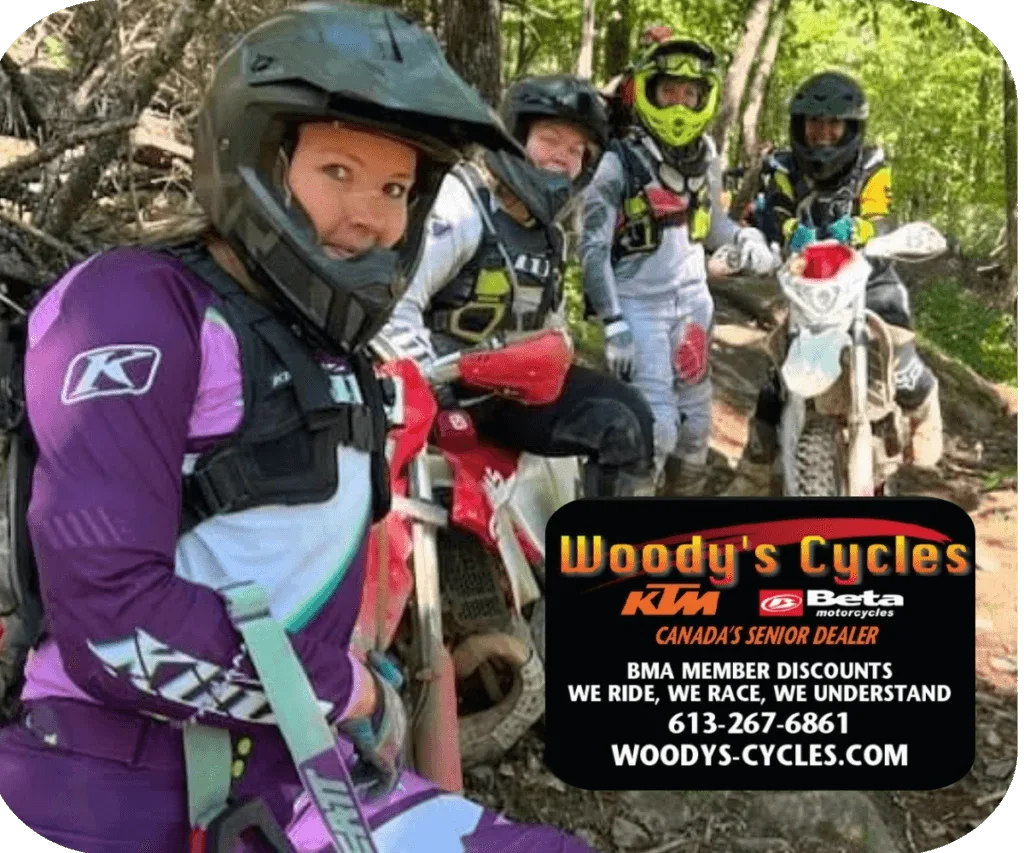
The Bytown Motorcycle Association’s Fall Scenic Dual Sport Charity Ride is underway today in Central Frontenac, Ontario, combining a relaxed dual-sport route with fundraising for animal-rescue organizations.
The October 4 event is scheduled from 10:00 a.m. to 2:00 p.m., with riders asked to arrive fuelled and ready to leave at 10:30.
The route is expected to take roughly three to three-and-a-half hours and uses a mix of twisty gravel and paved roads.
The organizer specifically describes the ride as non-technical.
The ride starts from Highway 7
The meeting point is the Sharbot Lake General Store / Petro Canada at 24544 ON-7 in Central Frontenac.
That location gives participants fuel access before departure and places the group close to the rural road network used for the ride.
Participants are asked to bring their own lunches.
Unlike a trail ride built around difficult off-road sections, this event is designed around scenic roads that can be enjoyed on street-legal dual-sport and adventure-style motorcycles.
The emphasis is on flowing gravel, pavement and the social side of a group ride rather than technical obstacles.
A charity ride with a minimum donation
The BMA is asking participants for a donation of at least $25.
The organizer says proceeds support the humane society and Riverview Rescues.
There is also a prize for the participant who raises the most money over $100.
That fundraising structure gives the ride a purpose beyond simply organizing another Sunday route.
Motorcycle clubs often have strong local networks, and a charity event lets those networks support organizations outside the riding community.
The donation is part of the official event information rather than an optional aftermarket fundraiser added later.
Registration includes a waiver
The organizer’s event page includes a registration form and liability waiver.
Participants provide their contact and emergency information and agree to the event’s risk and release terms.
That is important even for a ride described as non-technical.
Public-road and gravel-road riding still carries normal motorcycle risks, and group travel adds additional considerations around spacing, visibility and rider behaviour.
The waiver does not replace safe riding.
It documents the participant’s acknowledgement of the risks associated with the activity.
“Nothing technical” still requires preparation
The route description may make the event more approachable than a difficult trail ride, but gravel roads still require attention.
Surface conditions can change quickly.
Loose stone, washboard, potholes, dust, wet leaves and changing traction can all affect braking and cornering.
A motorcycle that feels completely predictable on pavement may move more underneath the rider when the surface becomes loose.
Tire condition and pressure matter.
So do brakes, controls, chain condition and basic fuel range.
The organizer’s instruction to arrive fuelled is simple but important because the group is leaving on a multi-hour route rather than circulating near one staging area.
Dual-sport riding connects two parts of motorcycling
The event reflects why dual-sport motorcycles remain useful to Canadian riders.
They can connect paved roads, gravel routes and light off-road sections without requiring a trailer between every riding area.
That flexibility works especially well in regions such as Eastern Ontario, where rural road networks can connect small communities, forests and recreational areas over long distances.
The BMA describes dual-sport riding as a growing part of its membership.
Events like this create a relatively low-pressure way for riders to use those motorcycles socially without turning the day into a competition.
There is no finish position, lap time or class result.
The measure of a successful day is a safe group ride, completed route and useful contribution to the selected charities.
Group rides depend on predictable behaviour
A scenic group ride works best when participants ride consistently.
That means maintaining adequate following distance, avoiding abrupt lane changes and not treating the route as an informal race.
Gravel can amplify the consequences of following too closely because dust reduces visibility and loose stones can be thrown by the motorcycle ahead.
Riders should also keep enough space to choose their own line.
The motorcycle in front may avoid a pothole or loose patch at the last second.
A following rider needs enough distance to react independently rather than simply copying every movement.
Those habits matter more than maintaining a perfectly tight formation.
Dealers can support this kind of participation
For motorcycle retailers, organized dual-sport events show how ownership extends beyond the transaction.
Customers need routes, riding partners, appropriate equipment and a reason to use the motorcycle.
A dealer does not need to own the event to support that kind of riding community.
Knowing which local clubs organize responsible rides can help new owners find a safe entry point into the community.
That may lead to conversations about tires, luggage, communications equipment, protective gear and routine maintenance.
The useful commercial relationship comes from supporting participation rather than turning every club event into a sales pitch.
The October 4 milestone is the ride itself
The Fall Scenic Dual Sport Charity Ride is a genuine same-day Canadian event.
It is happening October 4, with the group scheduled to depart at 10:30 a.m. from Central Frontenac.
The route is expected to last three to three-and-a-half hours, and the minimum $25 donation supports animal-rescue causes.
Because the ride is already in progress, late arrival should not be assumed to allow participation.
A confirmed organizer recap or fundraising total would provide the next material result from the event.
Ontario dual-sport riders are using the Sunday ride to combine recreational motorcycling with community fundraising.