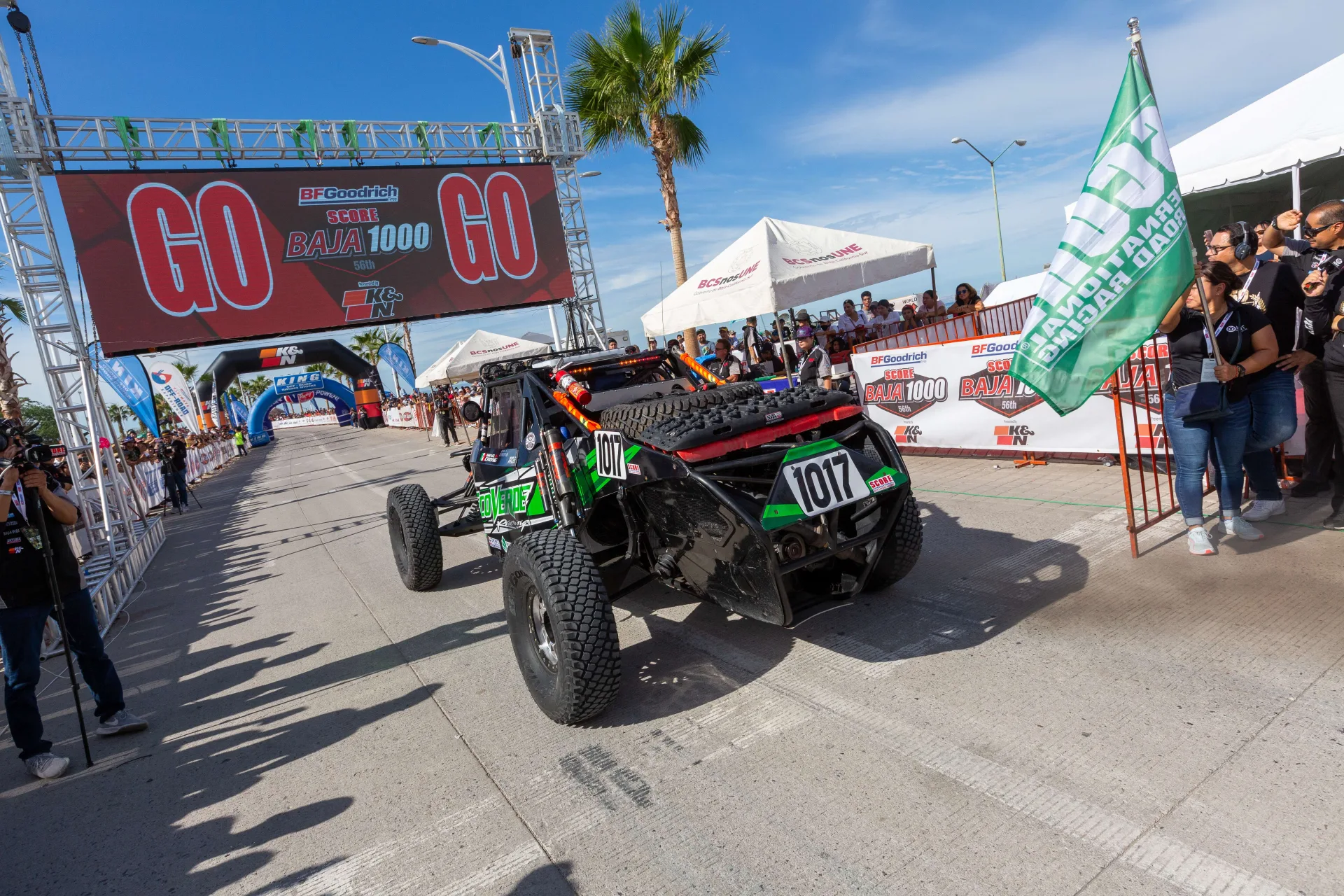
Canadian UTV and truck crews are preparing for the November 13 start of the 2026 SCORE Baja 1000 in San José del Cabo, Baja California Sur. SCORE's race-week schedule places final technical inspection and contingency on Thursday, November 12, before the overnight motorcycle start and Friday morning four-wheel start.
The organizer's event schedule lists motorcycles and quads at 1 a.m. Mountain Standard Time on Friday, November 13, followed by cars, trucks and UTVs at 9 a.m. MST. These are San José del Cabo local times. The Baja 1000 is the fourth and final round of the 2026 SCORE World Desert Championship.
Canadians appear in multiple classes
SCORE's official entry material lists Canadian participation across different vehicle categories. Michael Brouwers and Rowen Mclean are entered in a Polaris RZR Pro R Factory in the UTV field. Another Canadian crew includes Dean Acton, Brock Smith, Mark Acton, Mike Skiba and Wade Haws in a Can-Am Maverick R.
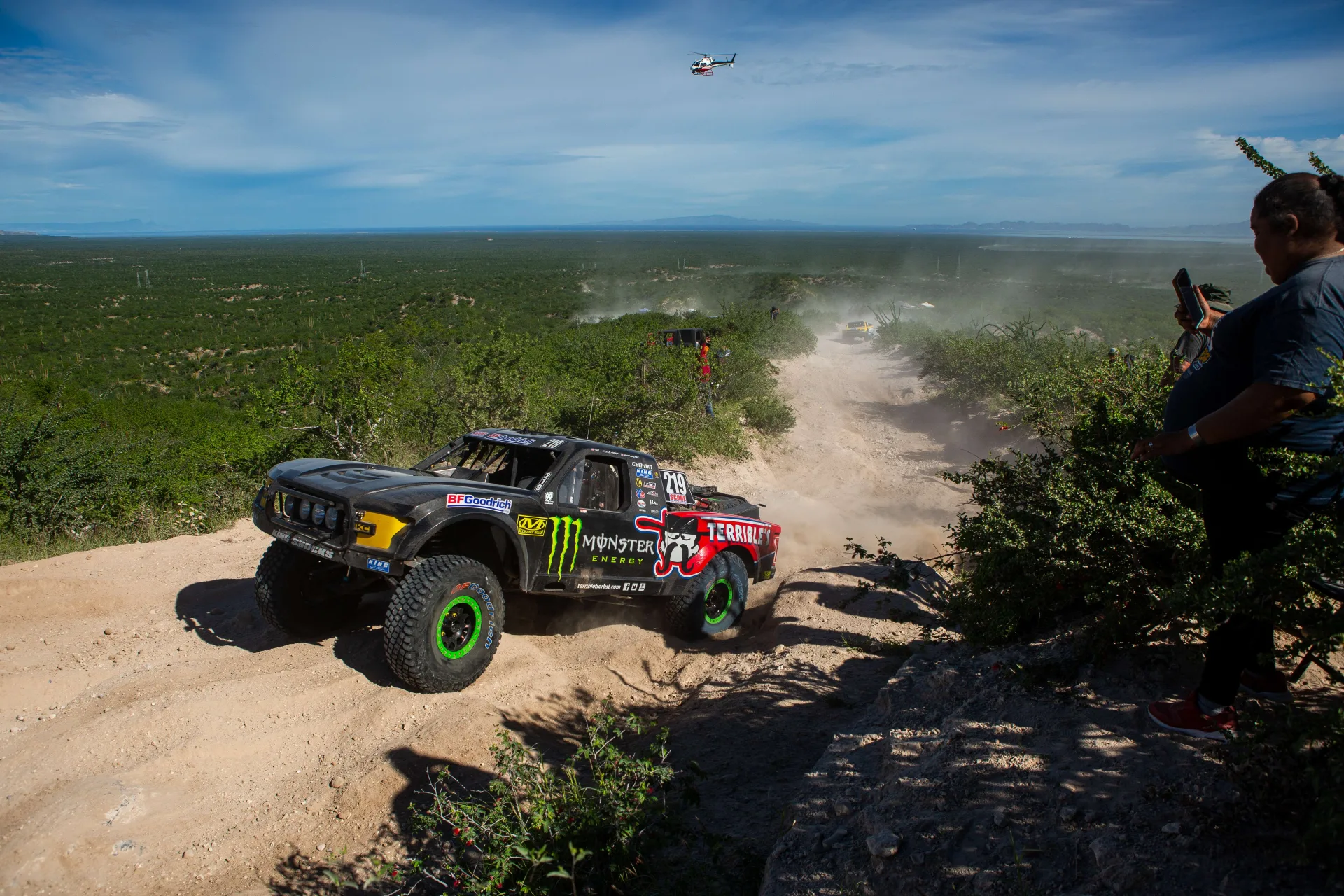
Andrew Herdman is listed in Trophy Truck 2WD, while Canadian Owen Clark appears as part of another truck entry. Entry lists can change during registration and inspection, so readers should use SCORE's live results and timing pages for final starter status rather than assuming every pre-race entry takes the green flag.
The Canadian names give the event direct relevance beyond the familiar factory programs. The Cabo-to-Cabo race starts and finishes in San José del Cabo. Its long desert route requires teams to coordinate drivers, navigators, chase crews, fuel, tires, communications and repairs over a large area. Finishing depends on logistics as much as outright speed.
How to watch
SCORE says its coverage is available through the official website, Facebook, YouTube and the SCORE app. The race-day plan uses Starlink connections with in-vehicle, drone and ground cameras, supported by a studio production and live leaderboard tracking.
SCORE lists a 40-hour race limit. Its race-week materials also provide tracking links and a course map marked preliminary. Final competitor bulletins govern route details. These resources are useful because a broadcast cannot show every team continuously. Checkpoint information and official results help viewers distinguish a vehicle still running from one stopped for service, delayed or no longer competing. Tracking data can lag, so an isolated map position should not be treated as an official finish or retirement.
Canadian viewers need to distinguish the race start from the start of a livestream. The event schedule uses MST for San José del Cabo, while some stream listings use Pacific labels. On November 13, the scheduled 1 a.m. MST motorcycle start corresponds to 3 a.m. Eastern Standard Time; the 9 a.m. MST four-wheel start corresponds to 11 a.m. Eastern. Broadcast platforms may begin coverage at a different time.
Tech and contingency are substantive milestones
Technical inspection is not a ceremonial parade. Officials verify safety and class requirements before a vehicle is cleared to compete. Contingency also brings teams, sponsors and spectators together, but a listed entry becomes a more credible starter only after registration and technical processes are complete.
The November 12 inspection schedule is the final preparation stage before Friday's starts. It brings an important distinction for spectators: a name in an entry list is evidence of an intended entry, while registration, inspection and the official starting record establish whether that vehicle actually reaches the race. The same distinction applies when following a Canadian crew or a major factory team.
For Canadian teams, this stage is where months of preparation meet the organizer's requirements. Last-minute changes can involve lighting, safety equipment, navigation systems, identification, communications or mechanical repairs. A team that looks ready in an announcement still has to pass inspection and reach the start.
What dealers and race shops can learn
Canadian dealers are unlikely to reproduce a Baja program for most customers, but the event highlights service disciplines that apply at home. Pre-ride inspection, fast access to consumables, clear torque and fluid checks, spare-part planning and communication between driver and technician all reduce avoidable failures.
Race participation also produces credibility only when claims are precise. A dealer supporting a team should distinguish between entering, starting, reaching checkpoints and officially finishing. Final results should come from SCORE timing, not social posts or a vehicle seen at contingency.
The UTV entries are commercially relevant because Polaris and Can-Am are major Canadian-market brands. Their platforms compete in a severe environment that can expose weaknesses in cooling, suspension, tires, driveline protection and serviceability. Race equipment is heavily modified, so the result should not be treated as a direct test of a showroom machine, but it can still reveal engineering and support priorities.
Following the Canadian crews
The official entry material provides useful identifiers for Canadian fans: Michael Brouwers is listed as number 1826, Dean Acton as 3913 and Andrew Herdman as 39T. Owen Clark appears with number 270 in the Trophy Truck Spec field. Those numbers make it easier to find the relevant vehicle in timing and registration records, even when several drivers share the entry.
A crew's progress will depend on passing the required checks, taking the start and completing the route within the official limit. Canadian viewers can follow the organizer's stream and timing pages as those stages unfold. The pre-race list establishes participation plans; the official timing record will establish what happens on the course.