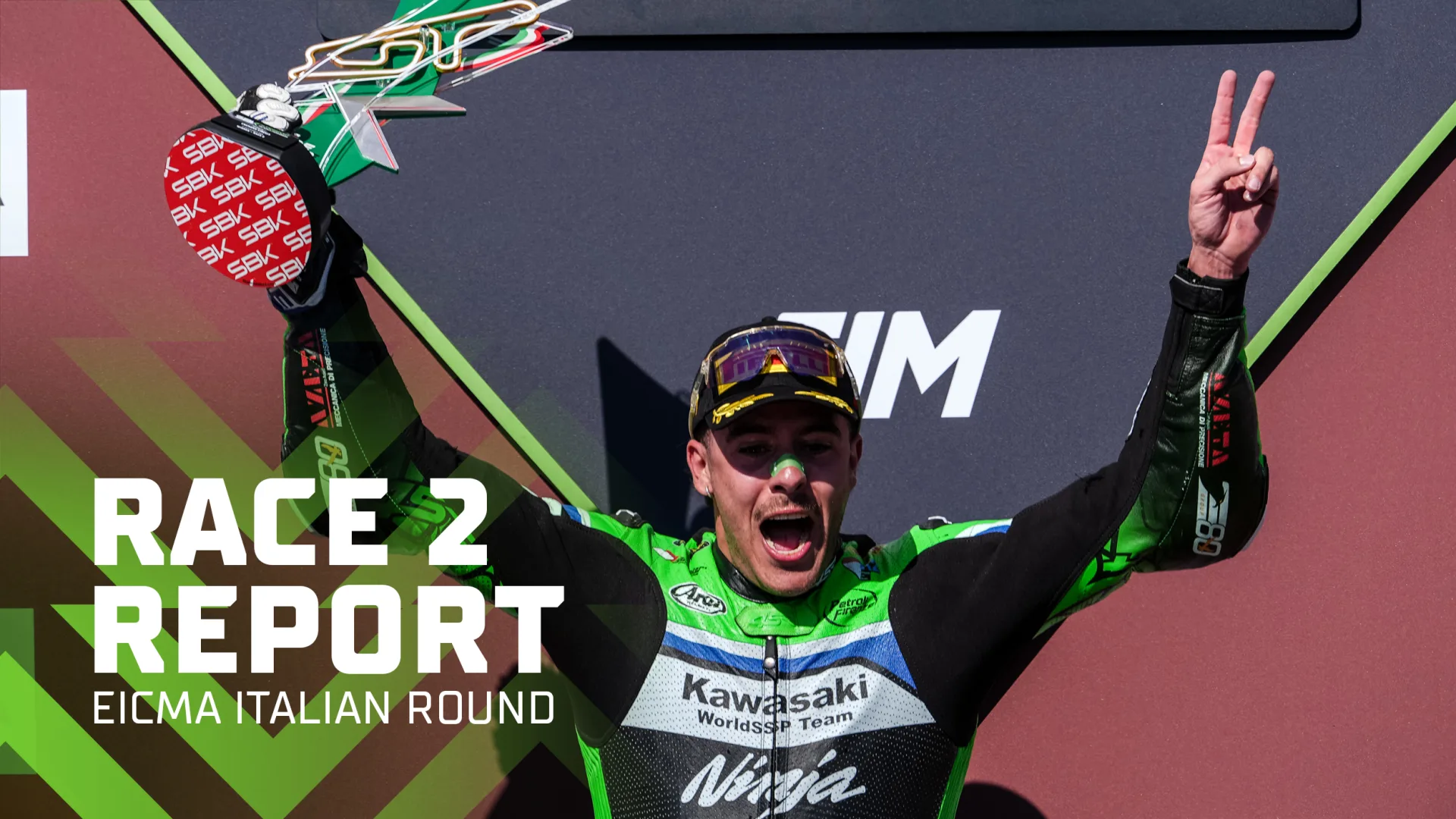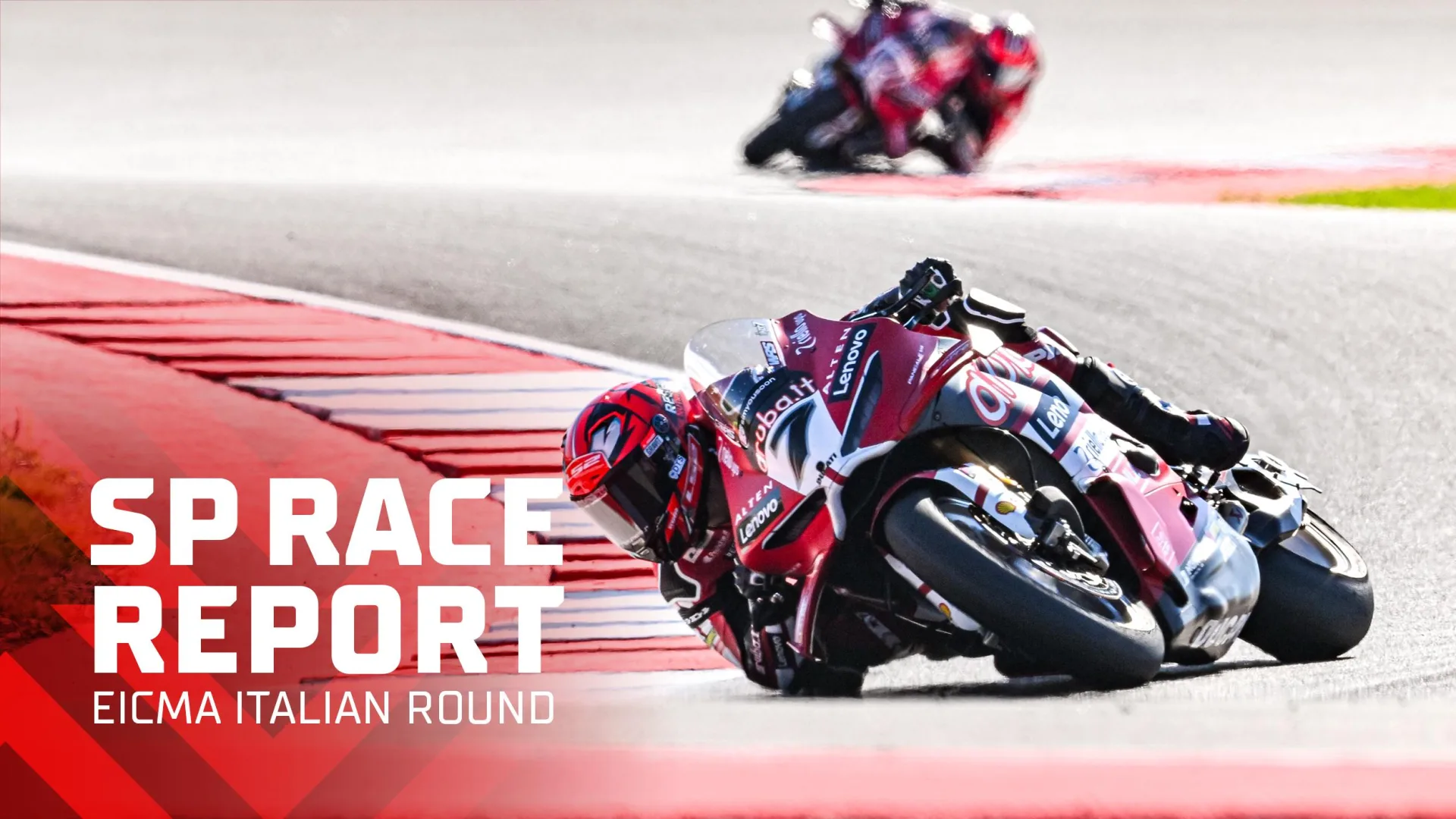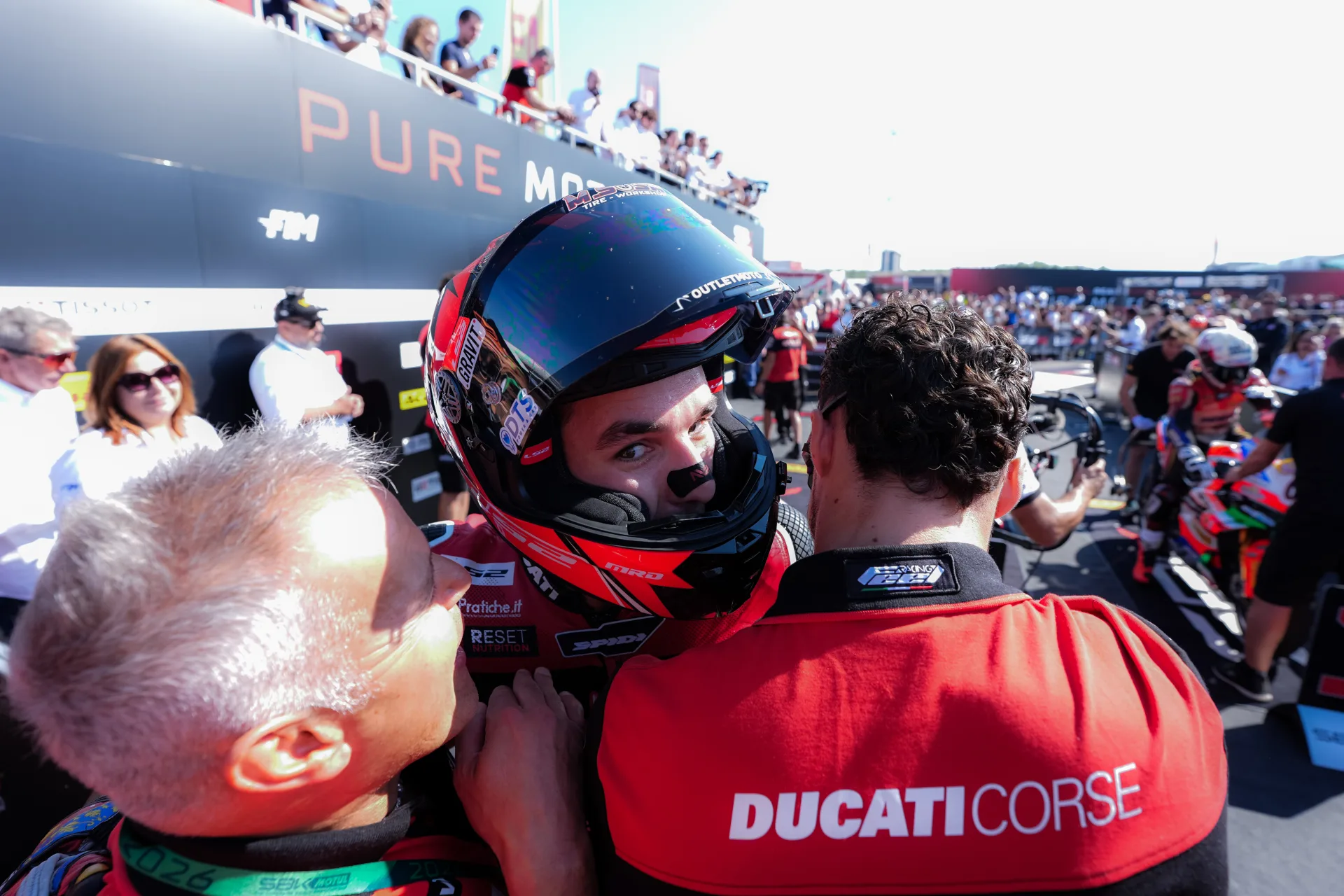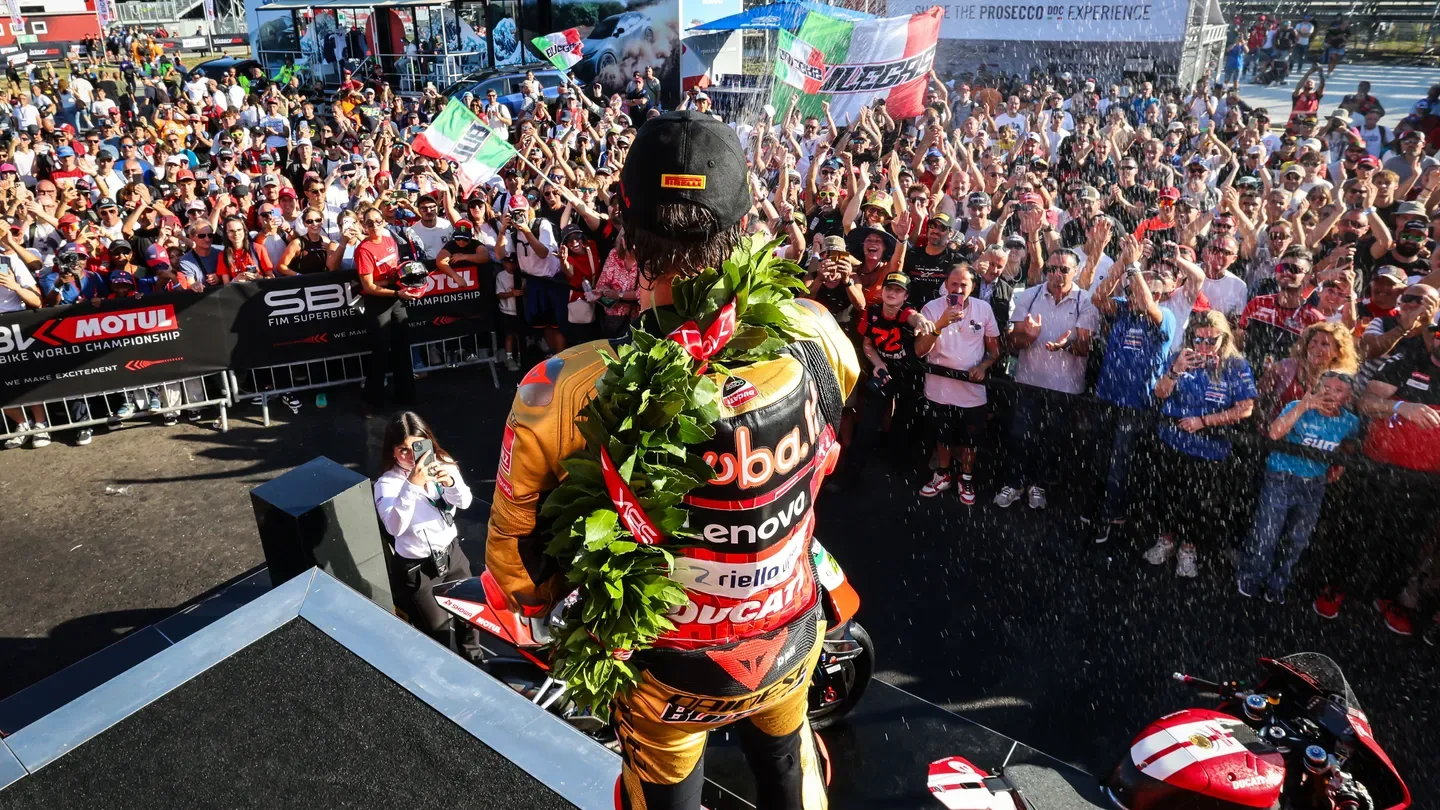
Jake Dixon delivered Honda's best WorldSBK finish of the 2026 season with sixth place in Race 2 at Cremona, completing a weekend built on recovery rather than an ideal starting position. The Honda HRC rider finished ninth in both Race 1 and the Tissot Superpole Race before using a third-row start to move into the top six on Sunday afternoon.
Recovery began after qualifying trouble
Dixon's weekend was compromised by a crash in Superpole that left him 18th on the Race 1 grid. He climbed to ninth in the opening race, gaining nine positions in a field where passing becomes harder once the front group settles into rhythm. The Superpole Race presented another back-row challenge, this time from 17th after a grid adjustment, and he again reached ninth.
That second ninth place did more than add points. The top nine in the Superpole Race form the first three rows for Race 2, so Dixon's recovery earned a dramatically better starting position. He converted it into sixth, the best WorldSBK result of his rookie season and Honda's strongest finish of the year.
The sequence demonstrates how the Sunday sprint can alter a weekend. A rider who starts deep in Race 1 is not locked into the same disadvantage for the final race. Finishing inside the Superpole Race top nine creates a new grid, rewarding riders who can recover quickly and giving teams a second route back toward the front.
Sixth place came through execution and attrition
Dixon's result was not simply inherited, but incidents ahead helped shape the final order. Sam Lowes crashed while fighting with his brother Alex. Miguel Oliveira had advanced to fifth before falling at Turn 10 on Lap 2. Xavi Vierge later crashed, and Alvaro Bautista retired with a technical issue.
Avoiding those problems is part of a race result. Dixon kept the Honda circulating, used the improved grid position and finished behind Alex Lowes in fifth. WorldSBK's Monday review identified the result as Honda's best of the season and the manufacturer's first top-six finish since Xavi Vierge placed fifth at Jerez the previous year.
The performance does not erase Honda's difficult campaign. One sixth place is not evidence that every underlying issue has been solved, especially when the podium battle remained ahead. It is a measurable benchmark, however. The team now has a complete weekend showing how qualifying recovery, sprint execution and a clean Race 2 can combine into its strongest result.
Why the progression matters
Rookie seasons in WorldSBK require riders to adapt to production-based motorcycles, Pirelli tires and a three-race weekend structure. Dixon arrived with extensive Grand Prix experience, but the demands are different. The machine, electronics and race formats require new references, and the field includes riders with years of knowledge about how grip changes across a WorldSBK round.
Cremona's value is therefore in the pattern, not just the finishing number. Dixon recovered twice from the back six rows, then capitalized when he finally started from Row 3. That suggests the race pace was stronger than the original grid position. It also gives Honda HRC useful data from three different traffic situations across the weekend.
For the rider, consecutive top-nine results followed by sixth can build confidence without disguising the remaining work. The next step is to create the grid position directly in qualifying rather than spending two races repairing it. Starting nearer the front reduces the time lost in traffic and lowers exposure to incidents among riders battling for the same space.
Canadian rider and dealer context
There is no direct Canadian participant in Dixon's result, and the finish does not establish any new Canadian Honda model, price or availability. Its relevance comes from Honda's large Canadian rider base and the interest in how the manufacturer is progressing in a leading production-derived championship.
Dealers can discuss the result as evidence of race-program development, but they should avoid translating a factory result into unsupported showroom claims. The WorldSBK machine is prepared to championship regulations and supported by a professional team. Canadian customers need specifications and availability from Honda Canada, not assumptions based on the race motorcycle.
The safer and more useful connection is community. International racing can motivate riders to seek training, protective equipment and closed-course experience. A sixth-place factory result should not encourage public-road competition. It can instead support conversations about skill development, maintenance and the difference between professional racing and everyday riding.
A benchmark for the final rounds
Honda now has a defined result to compare against at the last two rounds. Dixon's sixth place establishes a target, while the two earlier recoveries show the consequence of starting deep. If the team can reproduce the Race 2 pace with a stronger qualifying performance, it may compete closer to the front without relying on attrition.
Cremona was not a podium breakthrough, but it was meaningful progress. Dixon turned a damaged qualifying position into ninth twice, earned a third-row start and delivered Honda's best finish of 2026. For a team searching for forward movement, that complete sequence is more useful than a single fast lap or an isolated headline.