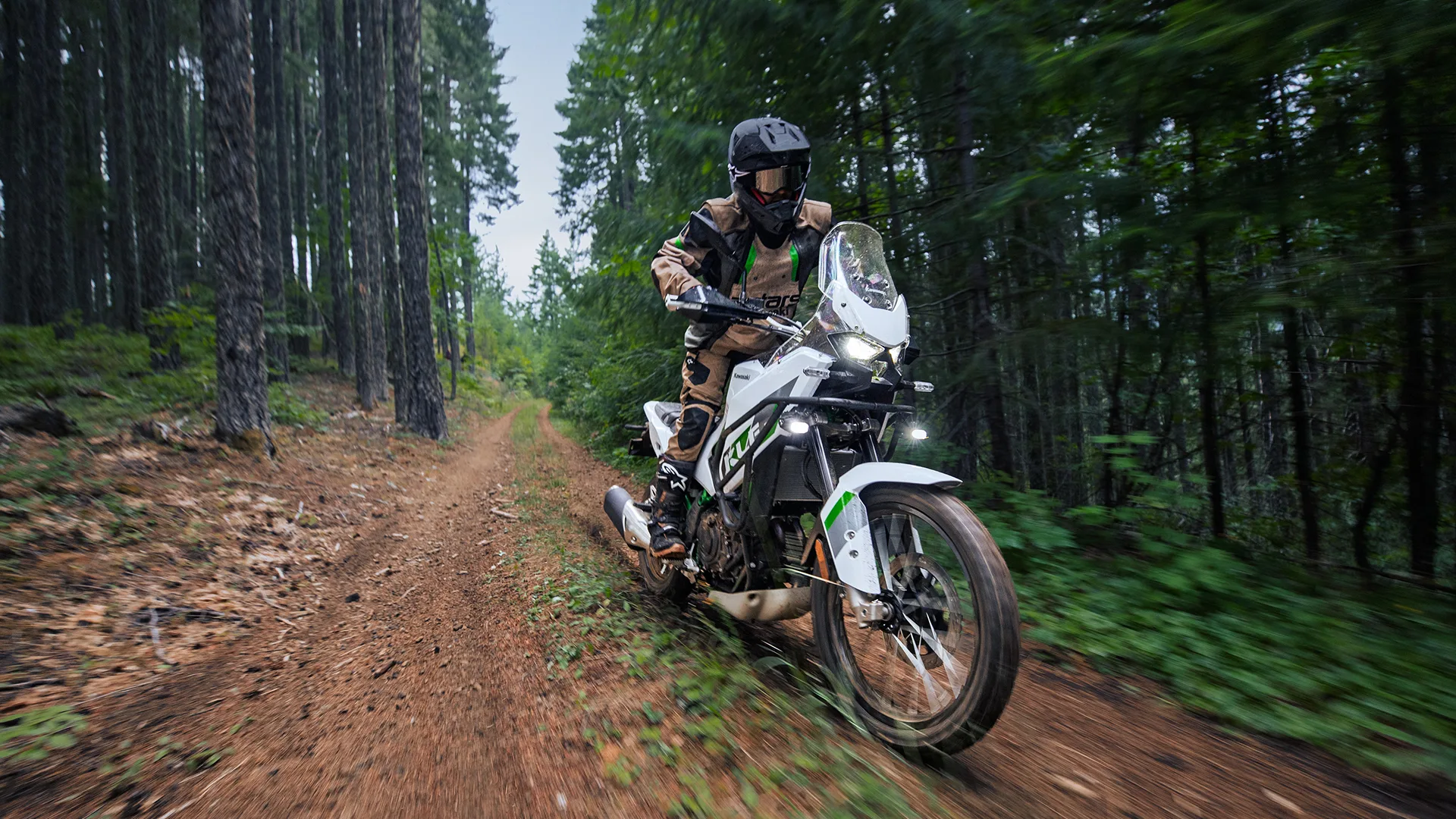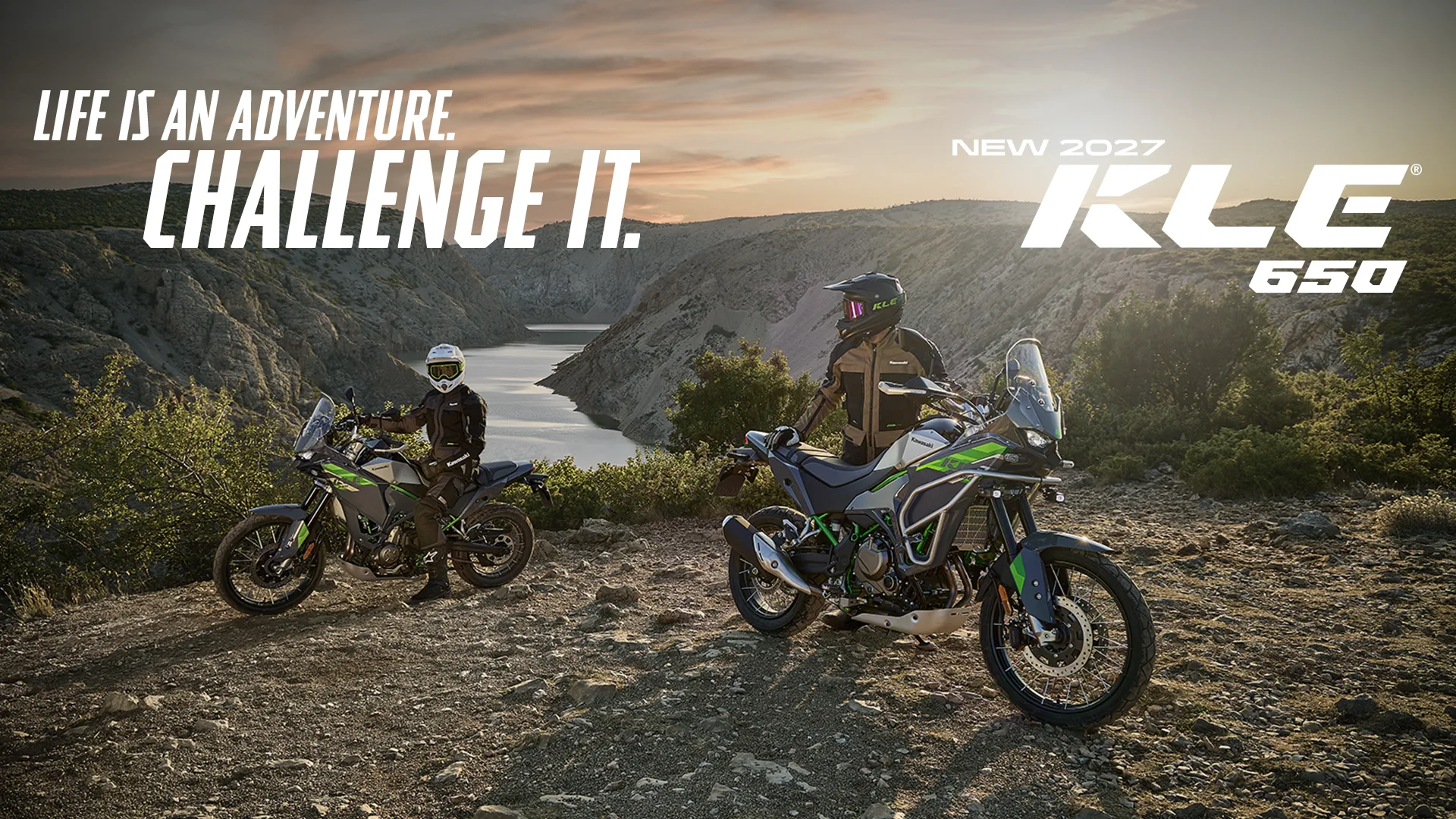
Kawasaki’s new KLE650 adventure motorcycle is listed in Canada for 2027, with a $10,999 MSRP for the standard model and $12,599 for the SE before additional charges. The October 27 introduction adds a 649 cc parallel twin, electronic cruise control and traction control to the growing KLE family. Canadian model pages establish local availability and equipment, so buyers can compare domestic specifications rather than treating the motorcycle solely as an overseas announcement. Individual dealer stock and delivery allocations still need confirmation.
A road-and-gravel middleweight
The KLE650 is positioned as a larger, more electronically equipped partner to the KLE500. Its liquid-cooled 649 cc parallel twin uses electronic throttle valves and revised intake and exhaust systems. Kawasaki describes the tuning as focused on strong low-to-mid-range torque, smooth response and long-distance touring comfort. A six-speed transmission and sealed-chain final drive complete the powertrain.
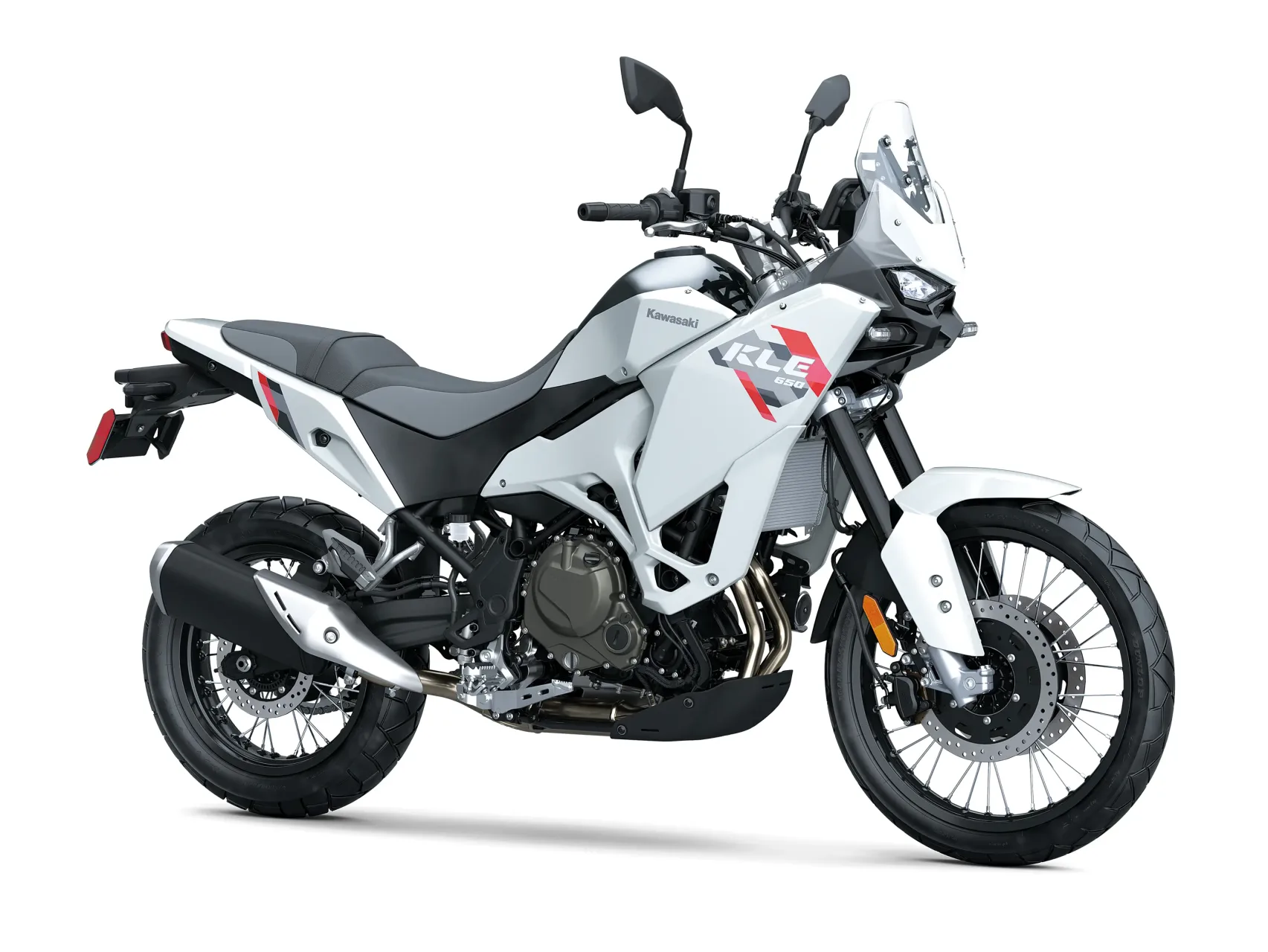
The chassis uses a high-tensile-steel trellis frame, a 43 mm KYB inverted fork with 8.3 inches of travel, and a New Uni-Trak rear arrangement with 7.7 inches and preload adjustment. The 21-inch front and 17-inch rear spoke wheels establish an adventure-bike stance, while dual 300 mm front discs give the 650 a different braking package from the smaller model.
Electronics broaden the mission
Electronic cruise control is the clearest touring feature. On long highway transfers, a properly used system can reduce the constant grip effort required to hold speed. It is not appropriate for every surface, weather condition or traffic situation, and riders remain responsible for control and speed selection.
Kawasaki Traction Control adds another layer by managing rear-wheel spin within the system’s operating parameters. Selectable ABS is also listed, giving riders an off-pavement-oriented adjustment where permitted by the design. Neither feature changes the need to choose tires, speed and routes that match conditions.
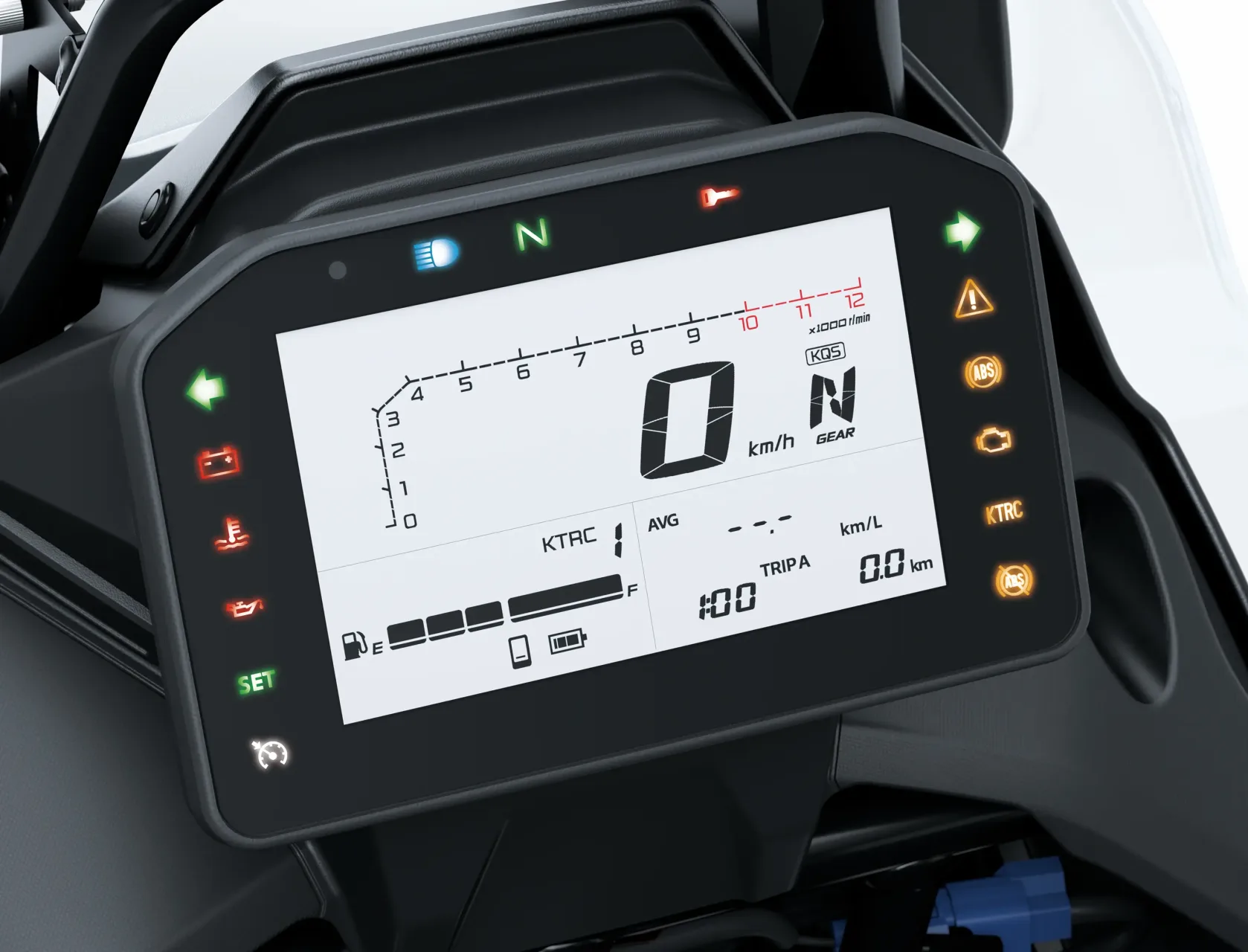
The standard model uses a five-inch LCD panel with smartphone connectivity. The SE upgrades to a five-inch TFT display with available voice command and turn-by-turn navigation through Kawasaki’s Rideology application. The SE also adds a quick shifter, aluminum fat-type handlebar, reinforced handguards, larger skid plate, tubeless tires on spoke wheels and a USB-C outlet.
Canadian specifications clarify fit and weight
Kawasaki’s Canadian SE specification lists a seat height of 840 mm, a 16-litre fuel tank, a 1,555 mm wheelbase and a curb weight of 212 kg. These are Canadian SE figures and should not be replaced by numbers from a differently configured overseas model. Curb weight includes fuel and operating fluids. It matters during low-speed handling, transport and luggage comparisons, while the seating position still needs to be assessed with the rider’s own reach and intended load.
The $1,600 Canadian MSRP difference between standard and SE also creates a concrete equipment comparison. Buyers should price the quickshifter, display, protection and wheel arrangement as a package rather than assuming every SE feature can be added to the base model for the same total. Freight, preparation, accessories and taxes remain separate from the starting MSRP.
What Canadian riders should compare
With Canadian listings now published, the KLE650 enters a competitive space where riders weigh highway comfort against off-pavement manageability. Useful comparisons include wet weight, seat access, wind protection, fuel range, suspension adjustment, tubeless repairability, luggage integration, service intervals and dealer support. Horsepower alone does not determine whether a motorcycle works for a northern highway, a gravel trip or daily commuting.
The 21-inch front wheel and long suspension travel can improve capability on broken surfaces, but the stock tire, rider skill and total load remain decisive. Riders planning remote travel should evaluate parts availability, crash protection, filtration, charging capacity and the ability to repair common problems away from a dealership.
Dealer preparation should begin with fit and use case
A Canadian dealer discussing the KLE650 should start with where and how the customer rides. A tall seat may be comfortable in motion yet intimidating at stops. Luggage and a passenger can change balance and suspension needs. An SE equipment list may be worthwhile for a high-mileage traveller but unnecessary for a rider who wants a simpler gravel-road machine.
Technology delivery also matters. Cruise control, traction settings, selectable ABS, connectivity and a quick shifter should be explained in the context of the owner’s manual. Customers need to know when systems are available, what indicators mean and which functions may reset after the ignition cycle.
A distinct model, not merely a larger KLE500
The KLE650 shares the new family’s rally-inspired design language, wheel sizes and suspension travel, but its engine, dual front brakes and electronic package give it a different purpose. It aims at riders who expect substantial paved mileage and touring convenience while retaining access to unpaved routes.
Canadian pricing and model listings make the KLE650 a concrete showroom comparison rather than an unconfirmed international prospect. The remaining questions concern the exact motorcycle a dealer can supply: colour, allocation, delivery estimate, fitted accessories and the final purchase total. Riders should compare those practical details with the published Canadian specification before deciding whether the standard model or the more extensively equipped SE best matches their travel plans.