The Fédération Internationale de Motocyclisme published an updated 2026 Self-Certified Airbags document on August 31, putting protective-equipment verification back on the current racing agenda.
The FIM document page confirms the new list date, but the public page does not summarize which individual systems were added, removed or otherwise changed.
The useful story is the process itself: in several FIM disciplines, an airbag is not simply an accessory that a rider chooses because it is marketed for motorcycles. Eligibility can depend on the FIM category, discipline-specific crash-detection logic, technical verification and the governing regulation.
That distinction matters to racers, track-day riders and dealers selling high-end protective equipment.
What the August 31 document represents
The FIM maintains self-certification information for airbag systems used under its technical framework.
Its 2026 Motocross Technical Regulations state that a functional FIM Category 3 airbag system is allowed. The manufacturer must declare the system to the FIM using the dedicated self-certification process, and the electronic crash-detection algorithm must be adapted to the specific discipline.
The regulations also state that the eligible Category 3 list is maintained by the FIM and that use of the device must be declared during technical verification.
The rider remains responsible for proper use.
That language makes the August 31 list operationally important. A race organizer or technical official is not simply checking whether a vest inflates. The system has to fit the relevant rules and the rider has to use it as intended.
An airbag does not replace passive protection
This is one of the most important points for dealers and riders.
FIM motocross rules continue to require chest and back protection to the applicable standards. The airbag is part of a broader protective system rather than a universal substitute for armour.
That matters because consumer marketing can make new technology feel like a replacement for older protective equipment.
In practice, motorcycle safety gear is layered. Helmet, suit or jersey system, gloves, boots, chest and back protection, and the airbag each address different injury mechanisms.
A dealer should therefore avoid selling an airbag with the implication that the rider can ignore the rest of the required protection.
Competition rules may also differ from ordinary road use. A system that is appropriate for street riding is not automatically eligible for every racing discipline.
Algorithms matter because crashes are different
The FIM's Category 3 language specifically refers to an electronic algorithm adapted to the discipline.
That is not a minor technical detail.
A road-racing crash can involve high speed, sliding and abrupt loss of control on a relatively smooth surface. Motocross and off-road competition introduce jumps, repeated impacts, steep terrain and rider movement that might look abnormal to a poorly tuned detection system.
An airbag must distinguish ordinary riding dynamics from an actual crash quickly enough to provide protection when required.
That is why the FIM framework involves more than simply measuring the volume of the inflated bag.
For dealers, it creates a useful customer question: what type of riding was this system designed and certified for?
Road racing uses a different level of obligation
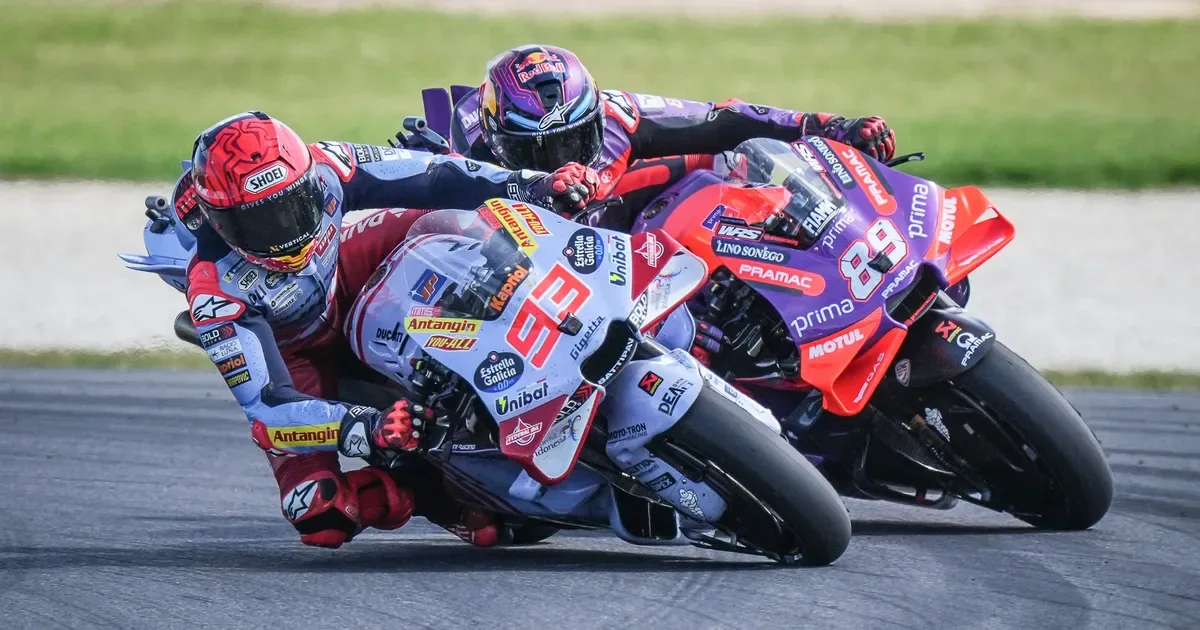
FIM Grand Prix regulations make airbags mandatory in the riders' leather suits and require a functional system at the start of each track session.
That illustrates how the role of airbag technology varies by championship.
In MotoGP, Moto2 and Moto3, the device is embedded in the technical safety requirements of the sport. In other disciplines, the relevant FIM category can be permitted rather than universally mandatory.
Canadian riders who watch international racing may therefore assume that "FIM airbag" describes one single standard or use case.
It does not.
The correct approach is to check the regulation for the discipline, the event and the equipment in question.
What Canadian dealers should verify before selling to racers
Dealers that sell premium riding gear can add real value by understanding the difference between consumer features and competition eligibility.
A useful checklist includes:
- the exact airbag model and generation;
- the intended riding discipline;
- whether the manufacturer identifies the system under the relevant FIM framework;
- required chest and back protection;
- suit or jacket compatibility;
- recharge procedure after deployment;
- cartridge or inflator availability;
- battery charging and storage requirements for electronic systems;
- software or firmware requirements;
- event-specific technical rules.
The last point is critical.
A customer preparing for competition should always confirm the rulebook and technical requirements for the event. A dealer can help interpret product documentation, but the retailer should not guarantee race eligibility when the sanctioning body controls the rule.
Track-day customers need a different conversation
Most Canadian sportbike customers who buy airbag equipment are not competing in an FIM World Championship.
They may be riding on the street, attending track days, taking a race school or competing in a regional series.
Their needs can overlap with professional racing without being identical.
A track-day organization may have its own equipment rules. A regional series may reference a different standard. A street rider may prioritize coverage, comfort, weather, recharge convenience and compatibility with everyday jackets.
That is why a dealer should begin with intended use rather than with the most advanced product on the wall.
The FIM update is useful because it reinforces the principle that protective equipment works within a system of rules and use cases.
Safety technology is becoming software as well as hardware
Modern electronic airbags also change the service relationship.
Traditional protective equipment is largely inspected visually for wear, damage and certification labels. Electronic airbags can add batteries, sensors, firmware, diagnostics and subscription or service requirements depending on the product.
That means dealers and riders need to think about maintenance differently.
A jacket that looks perfect externally may still need charging or a system check. A deployed system may require a cartridge replacement or manufacturer service. A used airbag product can carry more uncertainty than a conventional jacket because its electronic and deployment history matters.
For a dealership, training staff on those differences can be more valuable than simply stocking another high-margin accessory.
Bottom line
The FIM posted an updated 2026 Self-Certified Airbags document on August 31.
The important takeaway is clear: competition airbag eligibility depends on the relevant FIM framework, discipline-specific requirements and technical verification. For Canadian racers and dealers, the right question is not simply whether an airbag is sold for motorcycles, but whether the exact system is appropriate and eligible for the riding environment in which it will be used.