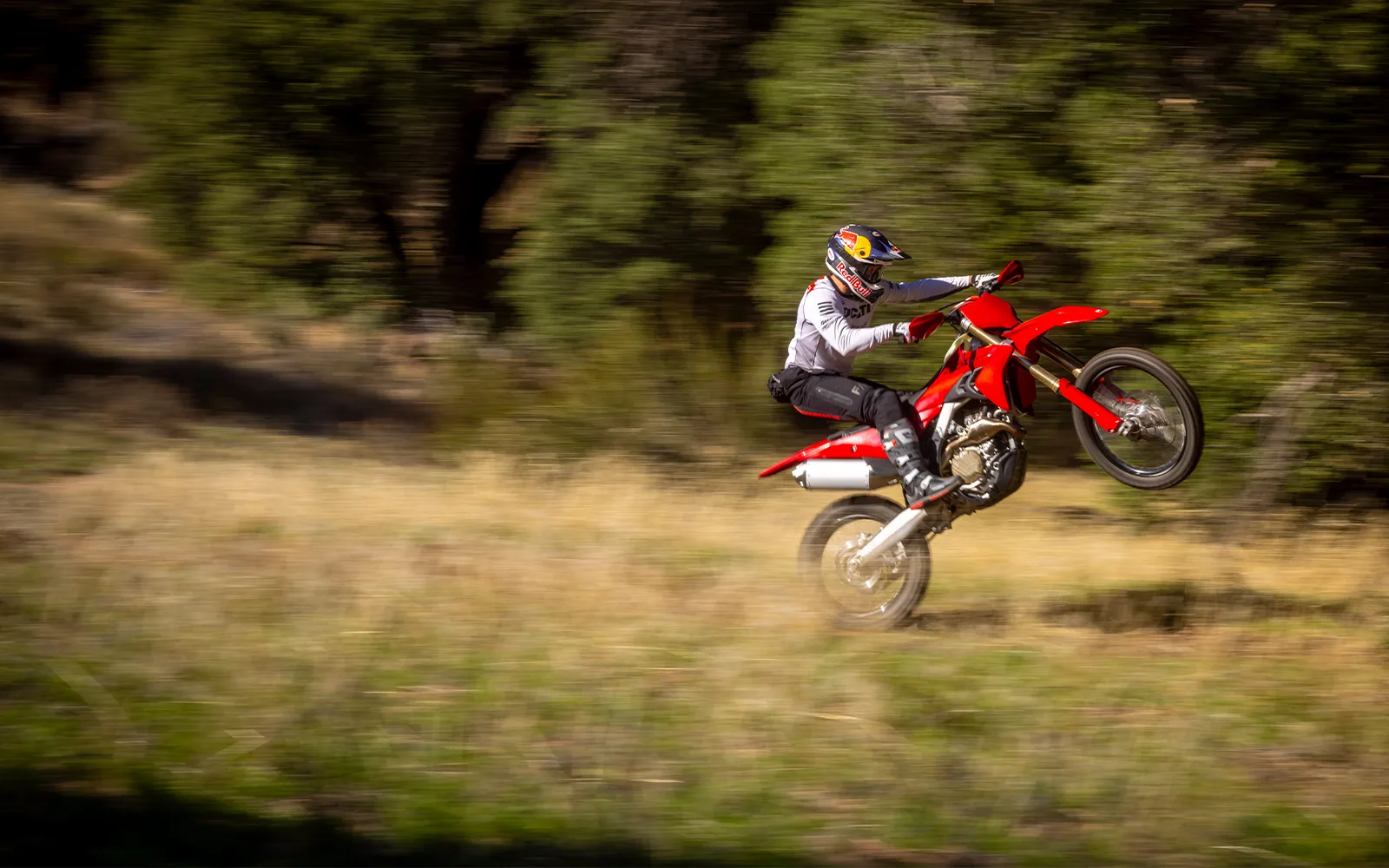
Ducati has confirmed Canadian timing and pricing for the Desmo250 EDX, a competition-focused 250-class motorcycle developed for cross-country and enduro racing. The new model is scheduled to reach selected Ducati Off-Road dealers in Canada in December with a listed Canadian price of CA$13,695.
The EDX adapts Ducati's 250-class platform for enduro and cross-country competition. It is configured around longer off-road events, where fuel range, wheel sizes, service access and electronic control can matter as much as peak power.
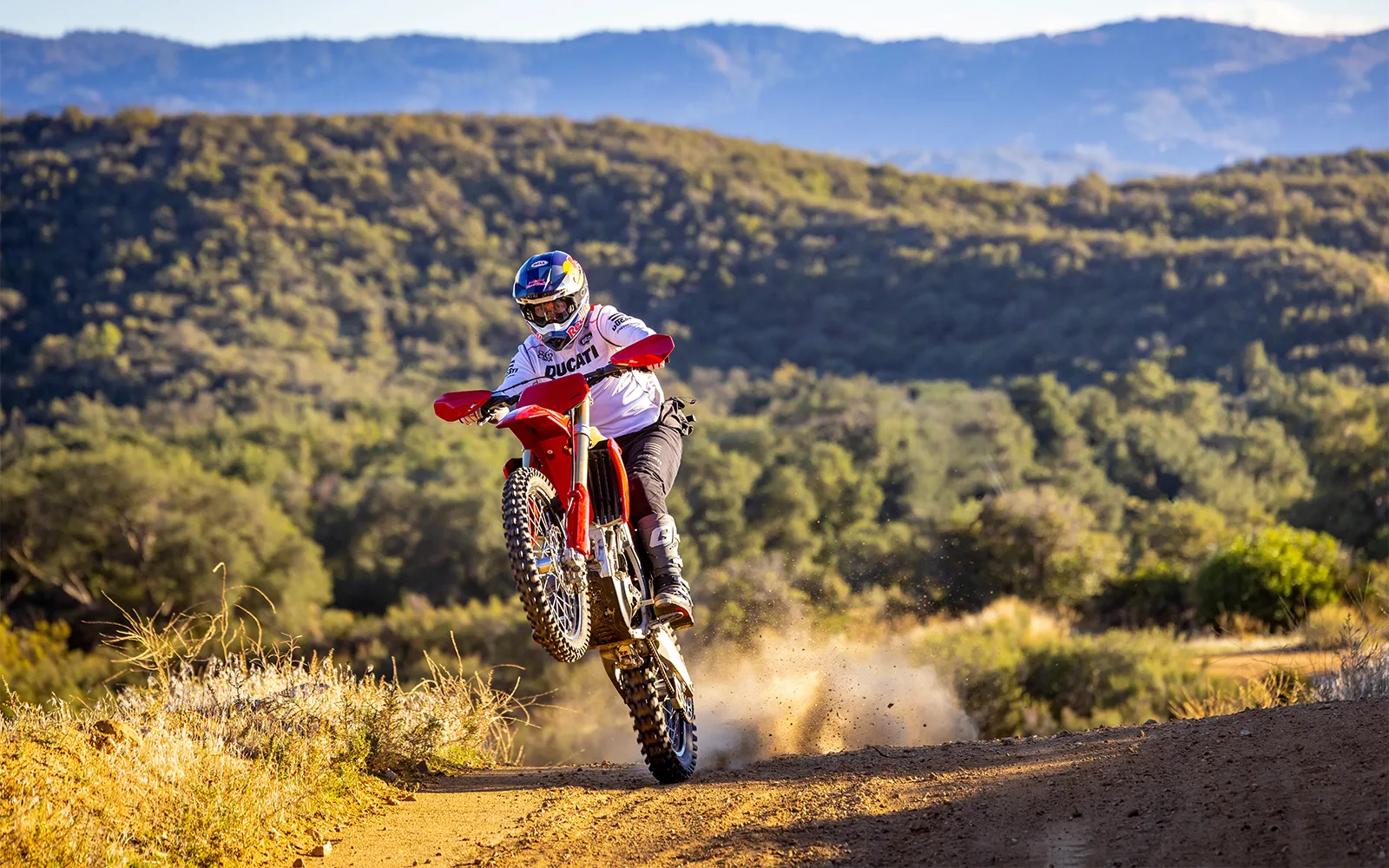
A 250 designed to rev
The liquid-cooled, 249.7cc single-cylinder engine uses Ducati's desmodromic valve system and shares the Desmo250 platform with the Desmo250 MX motocrosser. It has four valves and double overhead camshafts. Ducati lists output at 44.5 horsepower at 12,500 rpm and 21 pound-feet of torque at 8,800 rpm, with a 15,000-rpm limit.
Ducati describes the engine as designed for responsive delivery across its operating range, with high-rpm performance available for competition. The five-speed transmission is part of that racing package. Its behaviour on a particular course will depend on gearing, traction and rider technique as well as the claimed peak figures.
Fuel capacity is 8.5 litres, and the translucent tank lets a rider or mechanic check the level quickly. The motorcycle uses a 21-inch front wheel and 18-inch rear wheel, the conventional combination for enduro competition, rather than the 19-inch rear commonly used in motocross. An up-only Quick Shift lets the rider make clutchless upshifts once underway.
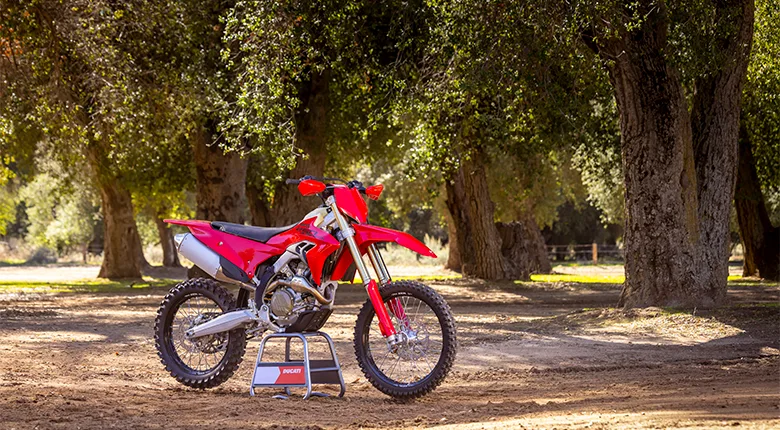
Suspension and brakes target competition use
A 49mm Showa fork provides 310mm of front-wheel travel. The Showa rear shock delivers 301mm of travel and works through a linkage. Ducati says both ends are fully adjustable, giving teams room to tune the motorcycle for rider weight, speed, terrain and race duration.
Braking hardware combines Brembo components with Galfer discs measuring 260mm at the front and 240mm at the rear. The listed wet weight without fuel is 232 pounds. That specification should be read carefully: it is not a ready-to-race weight with the tank filled, tools or protective equipment installed.
The electronic system includes traction control, engine-brake control, two riding modes, a launch function and a fall-detection system. Ducati says the controls are intended to work with the demands of off-road racing, where the rider may need different responses on hardpack, loose climbs or low-grip exits.
Maintenance is part of the purchase decision
Ducati publishes service intervals that reflect the motorcycle's racing purpose. Oil and filter service is listed at 15 hours. Valve-clearance checks are scheduled at 45 hours, while piston replacement is listed in a 45-to-60-hour window. The main engine service interval is stated at 90 to 120 hours.
Those figures are not comparable with the maintenance schedule of a road motorcycle or casual dual-sport. A buyer should budget for consumables, labour and downtime according to actual use. Race pace, dust, heat, water crossings and maintenance discipline can all affect how a machine reaches those intervals.
An accessory Wi-Fi module is intended to support predictive-maintenance functions. Dealers will need clear processes for explaining what the system records, which warnings it can provide and what still requires physical inspection.
What Canadian riders should verify
The CA$13,695 figure establishes a national reference point, but a rider's delivered cost can include freight, preparation, taxes and competition equipment. Availability is also limited to participating Ducati Off-Road dealers, so prospective buyers should confirm which stores will receive units, how deposits are handled and what parts support will be available before the first race weekend.
Canadian conditions create additional preparation questions. Cold storage, spring mud, silty western terrain and long transport distances can all influence maintenance planning. Owners planning a race season have practical reasons to check availability of filters, brake pads, controls, plastics, sprockets and common crash parts. A short repair can still mean a missed event if the necessary part is unavailable locally.
Dealers, meanwhile, have to be ready for a customer who evaluates the bike as a race tool. That means suspension setup, gearing advice, maintenance-hour tracking and fast parts ordering are more important than a conventional showroom handover. Service departments should also explain the difference between scheduled replacement and inspection, using the official manual rather than assumptions taken from another Ducati model.
A significant expansion of Ducati's off-road range
The Desmo250 EDX gives Ducati a direct entry into a highly competitive class populated by established European and Japanese machines. Its appeal will depend on more than the Desmodromic badge. Riders will judge starting, fuelling, traction, durability, ergonomics and the speed of dealer support over a full season.
The Canadian announcement provides the facts buyers needed most: the model is coming, arrival is planned for December and the price is CA$13,695. The next test begins when motorcycles reach dealerships and racers can evaluate whether the EDX's performance and support justify its position in the 250-class field.