Yamaha and John Deere Join Forces on Future Utility Side-by-Sides
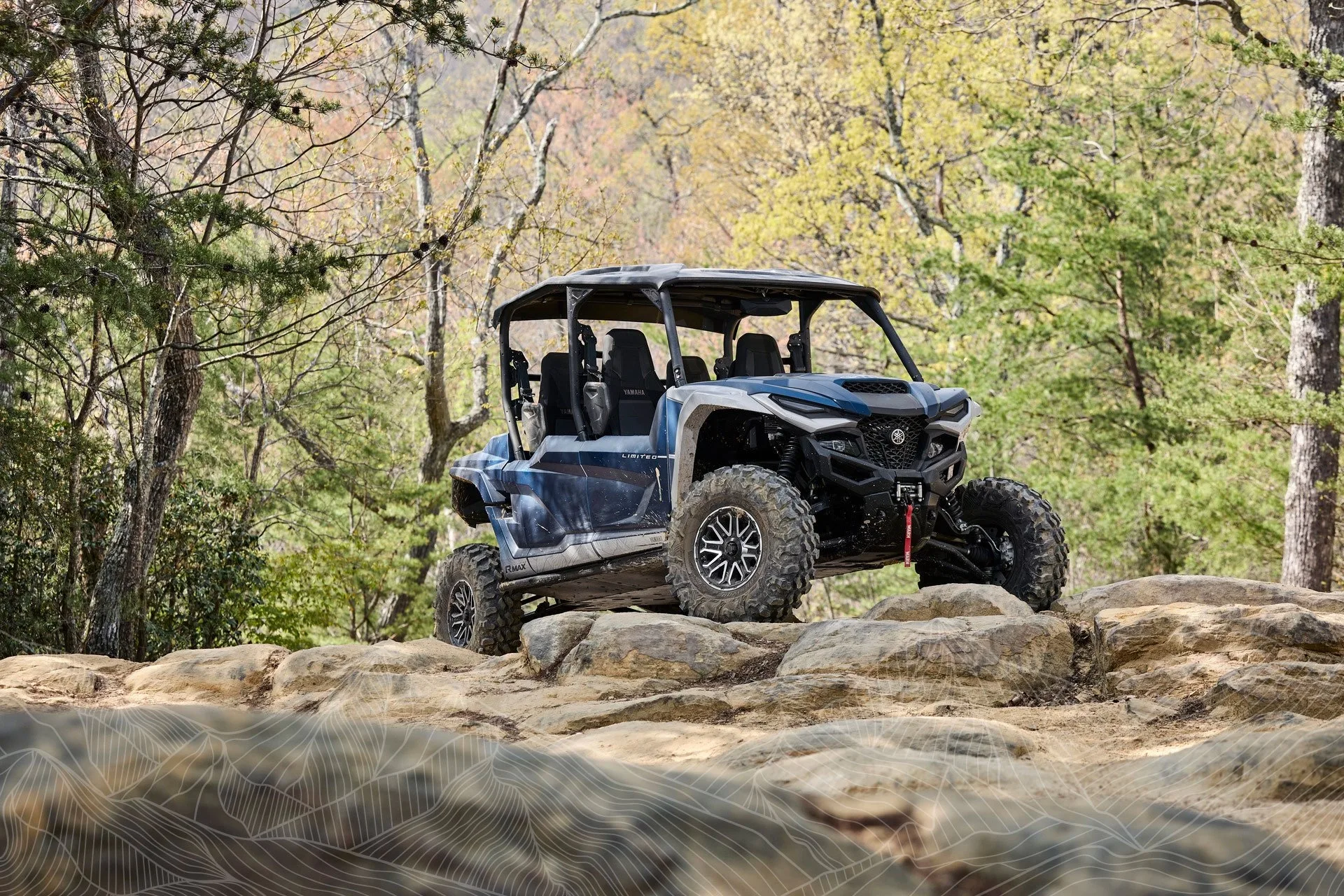
Yamaha Motor and Deere & Company have entered a collaboration agreement covering joint development and mutual supply in the recreational off-highway vehicle segment. Announced October 7, the agreement combines Yamaha's powertrain and vehicle-design experience with John Deere's vehicle-development capabilities, U.S. manufacturing base and customer knowledge. The companies say the work will concentrate particularly on the growing utility side of the ROV market, where comfort and work capability are increasingly important.
What the agreement actually establishes
The announcement creates a framework for the two companies to develop products together and supply vehicles to one another. It does not reveal a finished machine, model name, engine specification, production date, price or Canadian arrival plan. Those distinctions matter because a development agreement is an industrial commitment, not a retail launch.
Yamaha and John Deere will retain their own brands, dealer networks, sales channels and customer relationships. A future vehicle could therefore share engineering or manufacturing content while reaching customers through separate storefronts and ownership experiences. The release does not define which company will manufacture each product or how branding will be applied.
Why the pairing makes strategic sense
Yamaha already develops side-by-sides and has expertise in engines, drivetrains, chassis design and recreational vehicle dynamics. John Deere brings long experience building work-oriented vehicles and equipment for agriculture, construction, forestry and property management. Its manufacturing knowledge and customer base offer a direct view of users who judge a machine by uptime, load handling and daily utility.
The partners have also worked together in low-speed mobility. Extending that relationship into ROVs suggests they see useful overlap between recreational vehicles and machines used for chores, land management and commercial tasks. That overlap is especially visible in rural Canada, where the same vehicle may haul tools during the week and support trail or camp use on weekends.
The Canadian relevance
Canada is a natural market for utility-focused side-by-sides because of its farms, acreages, forestry operations, remote worksites and large recreational trail network. Canadian buyers often need cold-weather starting, cab protection, towing ability, storage, service access and parts support as much as outright performance. A jointly developed product could be significant if it addresses those practical demands.
No Canadian specifications or distribution decisions were announced, so buyers should not assume that a future U.S.-built model will arrive here unchanged. Transport requirements, currency, tariffs, homologation, accessories and dealer allocation can affect timing and price. The Canadian story will become concrete only when one or both companies publish market-specific details.
What dealers should prepare for
The decision to preserve separate networks reduces immediate disruption for existing Yamaha and John Deere retailers. It also creates questions about training, diagnostic systems, warranty responsibility, parts stocking and accessory compatibility. Dealers will need clear answers if related products appear under two brands.
Retailers should avoid presenting the agreement as a new model that customers can order today. A better approach is to track which brand announces the first vehicle, where it will be built, which dealers will sell and service it, and whether shared components create new parts or technical-training requirements.
Competition in the utility segment
The utility SxS market rewards durability, capability and dealer confidence. Buyers compare payload, towing, cab comfort, maintenance access, noise, fuel use and total operating cost. A collaboration can shorten development work and spread investment, but it still has to produce a machine that holds up in real use.
Yamaha's recreational credibility and John Deere's work-equipment reputation give the project a strong starting point. They also raise expectations. Customers will want more than badge engineering; they will expect a product that clearly uses the strengths each partner named in the announcement.
What comes next
The next meaningful milestones are product disclosure, manufacturing allocation, market timing and dealer implementation. Specifications will show whether the collaboration targets farms and property owners, recreational trail riders, commercial fleets or several groups through different trims.
For now, the agreement is important because two established vehicle companies have committed to cooperate in a category central to the Canadian powersports and rural-equipment markets. Its significance will ultimately be measured not by the announcement itself, but by the capability, support and value of the first machines it produces.