MotoGP Launches Global Academy Network for Rider Development
MotoGP has launched a new MotoGP Academy program designed to create a worldwide network of racing schools and institutions that meet common standards for rider development.
Announced October 21 as part of the Road to MotoGP structure, the program will award the MotoGP Academy seal to approved organizations that satisfy requirements covering infrastructure, training methodology, technical execution and brand visibility.
The goal is broader access to structured motorcycle racing development, particularly in regions MotoGP considers underserved.
Approved Academies will operate as local development and promotion hubs rather than as a new racing championship. MotoGP says each branch will receive tailored toolkits, activation support, branding and discounts on MotoGP products.
The naming structure will follow geography. An approved branch may carry the name of a nation, region or continent, and larger markets can support more than one Academy.
That model is intended to make the pathway easier to recognize while allowing local operators to work within different national racing environments.
For riders and families, the new seal can become a useful signal that a school has met the program’s published standards. It does not guarantee a Moto3, Moto2 or MotoGP seat, and the launch announcement does not create automatic advancement from an Academy into the world championship.
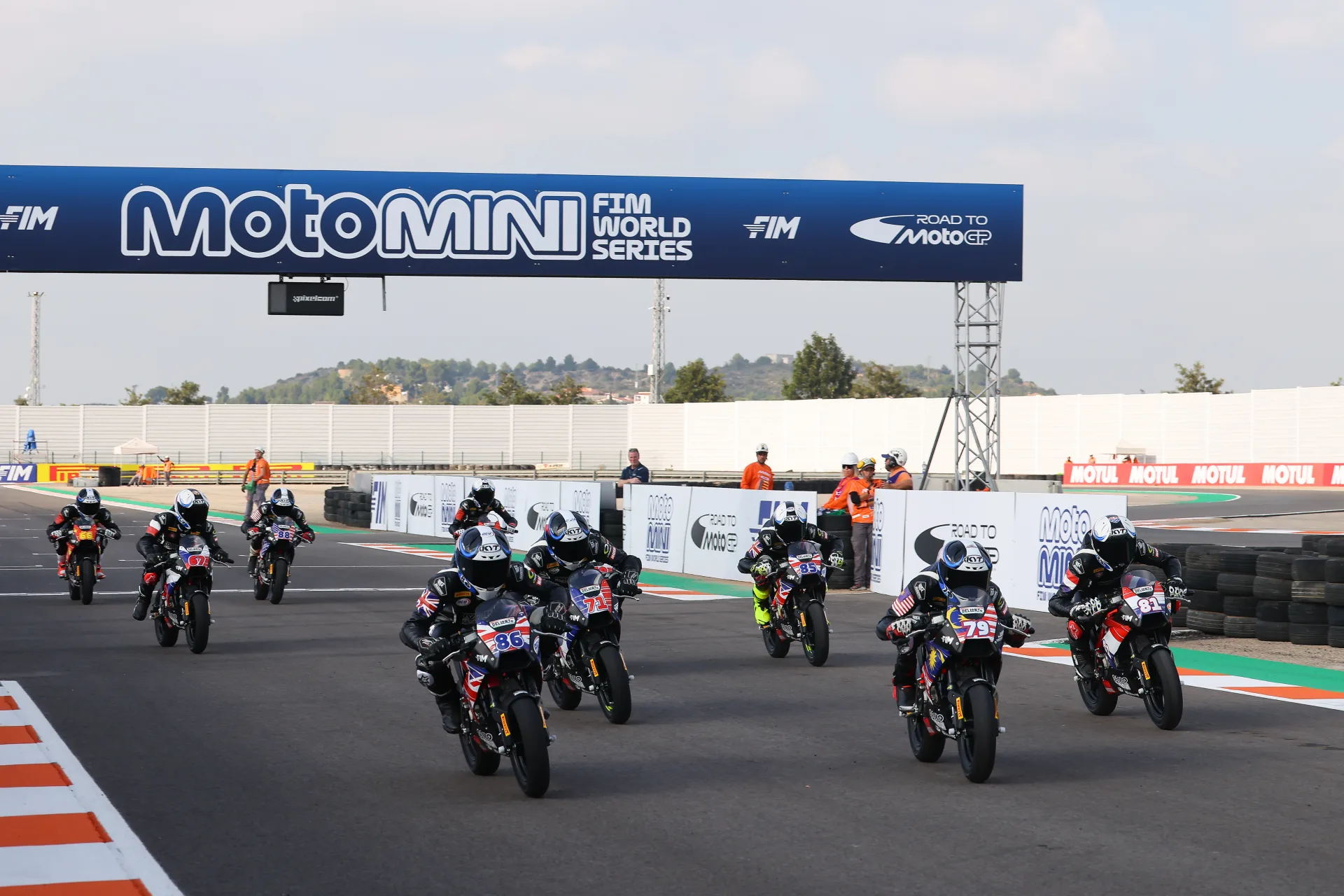
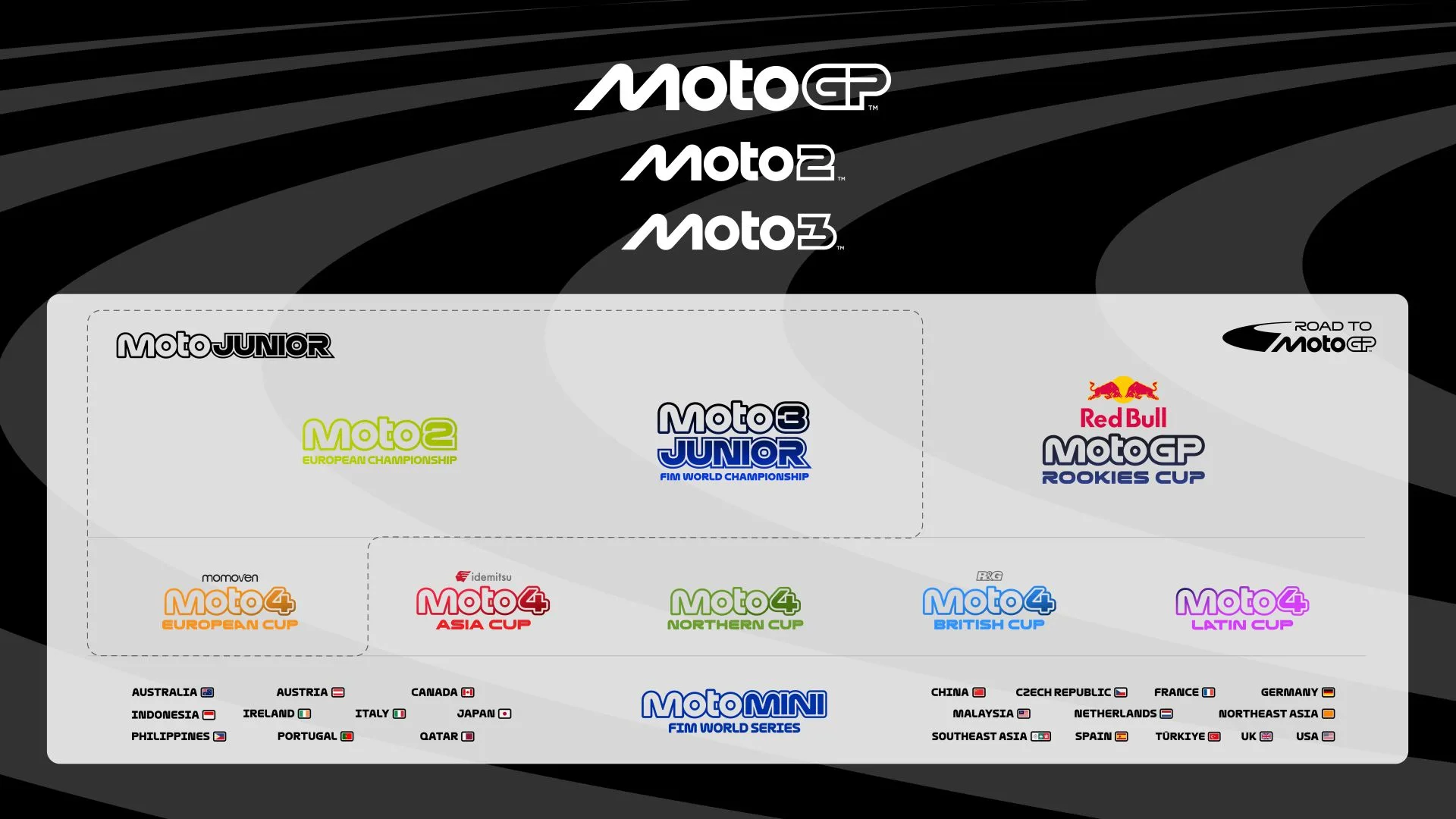
The Road to MotoGP already includes structured development programs such as the FIM MotoMini World Series and the Red Bull MotoGP Rookies Cup. The Academy network adds a training-school layer around that broader progression system.
Canada is relevant to the announcement because youth road racing already exists here through programs such as the MotoMINI FIM Canadian Nationals. However, MotoGP did not name a Canadian Academy in the October 21 launch.
That means existing Canadian schools, clubs or race programs should not be described as MotoGP Academies unless MotoGP grants the designation.
A future Canadian branch could potentially improve visibility for coaching standards, technical education and international progression, but geography and cost remain significant challenges in a country with a short track season and large travel distances.
For dealers, tracks and industry partners, the program could eventually create sponsorship and equipment opportunities around certified training. Any commercial association would still need to be based on the actual relationship approved by the Academy operator and MotoGP.
For riders, accreditation should complement rather than replace ordinary due diligence. Coaching qualifications, safety planning, rider-to-instructor ratios, insurance, equipment standards and total program cost remain important considerations at any school.
MotoGP is inviting interested organizations to contact the program directly. The launch establishes the framework and application route; the practical impact will become clearer as the first approved Academies are named around the world.
For Canadian racing, the important point today is that a new international training standard now exists, while no Canadian branch has yet been confirmed.