United States Claims Its First FIM Enduro Vintage Trophy
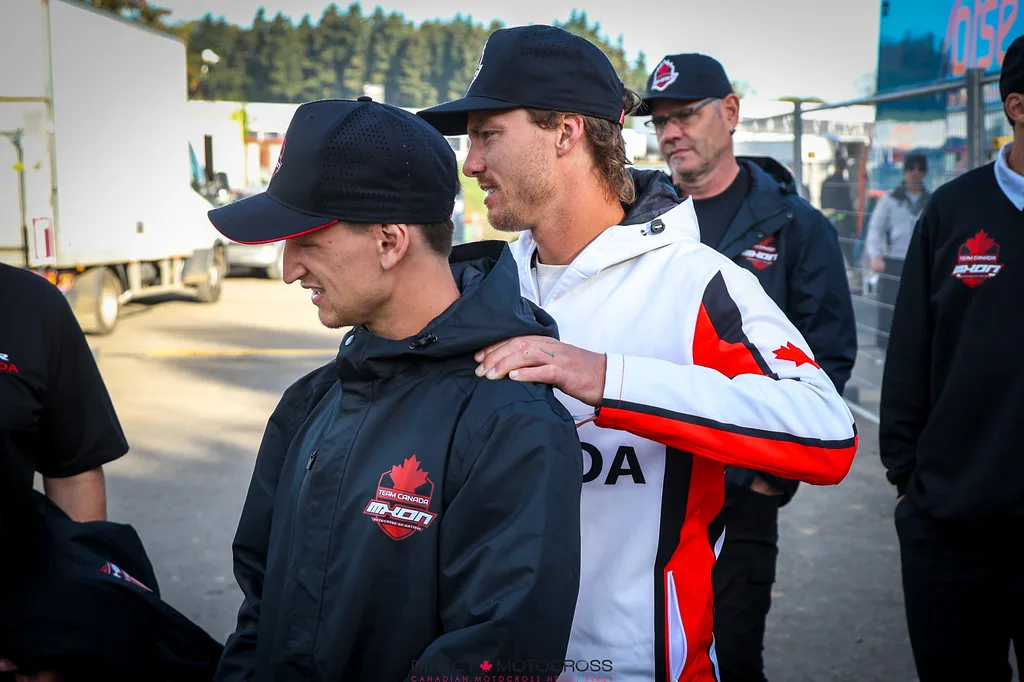
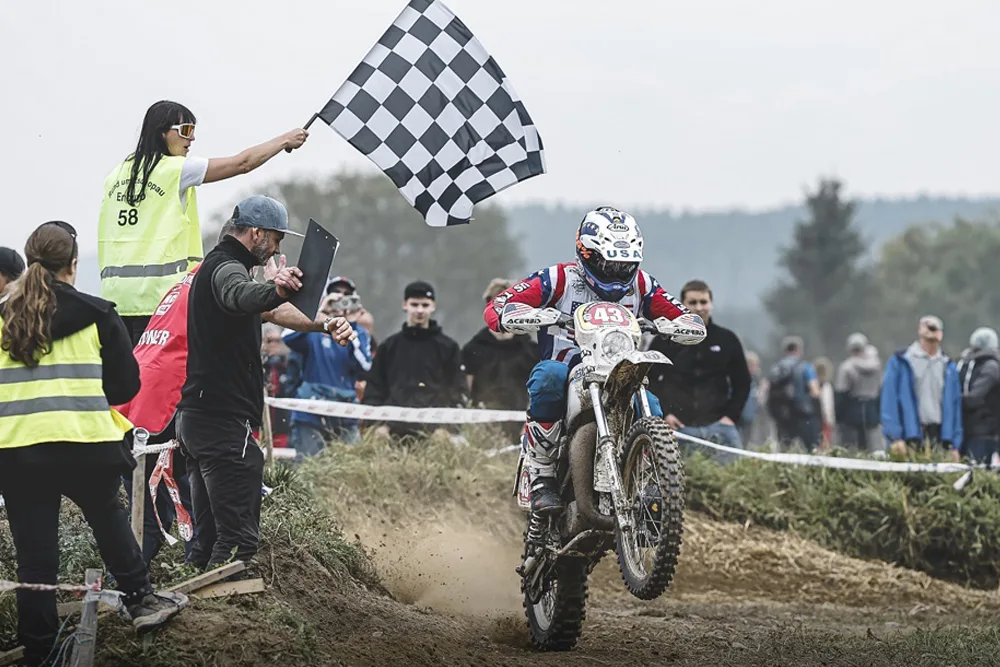
The United States has won the FIM Enduro Vintage Trophy for the first time. Fred Hoess, Billy Burns and AMA Motorcycle Hall of Famer Terry Cunningham secured the Vintage Veterans Trophy at the tenth edition of the event in Zschopau, Germany, completing four days of competition with Austria second and Italy third.
A first title after a controlled week
The American team led from the opening phase and entered the fourth day as the favourite. Hoess rode a Husqvarna, Burns a Can-Am and Cunningham another Husqvarna. They completed the final cross test without surrendering the advantage built over the previous days.
Hoess added an individual result by winning the final Vintage Veterans cross test ahead of Austria's Bernhard Walzer on a KTM and Italy's Tullio Pellegrinelli on a Puch-Frigerio. Germany, the outgoing champion, finished fourth on home ground, while the Czech Republic completed the top five.
The event is more than a display
Vintage enduro can look like a moving museum, but the FIM trophy remains a demanding competition. The 2026 edition brought hundreds of riders to a region with deep off-road history. Earlier days combined liaison distance with timed cross and enduro tests before the final special test decided the champions.
The machines may be historic, but the challenge is immediate. Riders must balance speed with mechanical sympathy, preserve components and adapt when the terrain changes. A fast motorcycle that cannot finish the week is less valuable than a carefully prepared machine that delivers repeatable performance.
Why the Can-Am result stands out in Canada
Burns' place on a Can-Am gives the result a Canadian industrial connection. The brand's off-road history began in Quebec, and vintage Can-Am motorcycles remain part of Canada's powersports heritage even though the modern Can-Am range is centred on other vehicle categories.
That connection should be described accurately. The trophy was won by the United States, not Canada, and the result does not announce a new production motorcycle. It does, however, place a Can-Am machine inside a successful international vintage enduro effort and gives collectors, clubs and restorers a current reason to revisit that history.
Preparation is the real performance story
A multi-day vintage event magnifies workshop decisions. Bearings, seals, cables, controls, ignition components, wheels and suspension must be inspected with an understanding of both age and competition load. Parts that appear serviceable during a short ride may behave differently after repeated timed tests and muddy liaisons.
Teams also need spares, tools and a repair plan that respects the event's service rules. The winning result therefore represents riders, machine builders and support personnel. Hoess, Burns and Cunningham had to combine pace with enough reliability to keep all three motorcycles contributing to the national score.
A useful signal for Canadian clubs and dealers
Canada has an active population of vintage motorcycle owners, regional clubs, restorers and independent shops. An international result can support local interest in heritage events, but participation should be built around safe, legal venues and machinery prepared for the intended use.
Dealers and specialists with vintage expertise can contribute parts knowledge, inspection and preservation. The commercial opportunity is not mass volume; it is trusted technical service and community credibility. Documented machine history and reversible, sympathetic repairs may matter as much as outright performance to many owners.
The wider results
Italy won the Vintage Silver Vase through Stefano Bosco, Federico Fregnan and Giuseppe Gallino. Italy's Tagliamento 1 took the Vintage Club Team category, while Pavel Koncicky of the Czech Republic topped the Vintage Individual standings on the final day.
Those classes show the breadth of the event. National veterans teams share the program with club and individual entries, allowing competitive machinery from different periods and countries to appear in a structured international setting.
A historical result with a current lesson
The United States' first victory is a clean final result rather than a preview or provisional checkpoint. It also arrives immediately before the centenary FIM Six Days Enduro program in Portugal, putting multi-day enduro competition back in focus.
For Canadian readers, the useful takeaway is not to claim the American title as a domestic one. It is to recognize the Can-Am connection, the value of long-term technical knowledge and the fact that heritage machinery remains most compelling when it is used responsibly and reported with precise results.