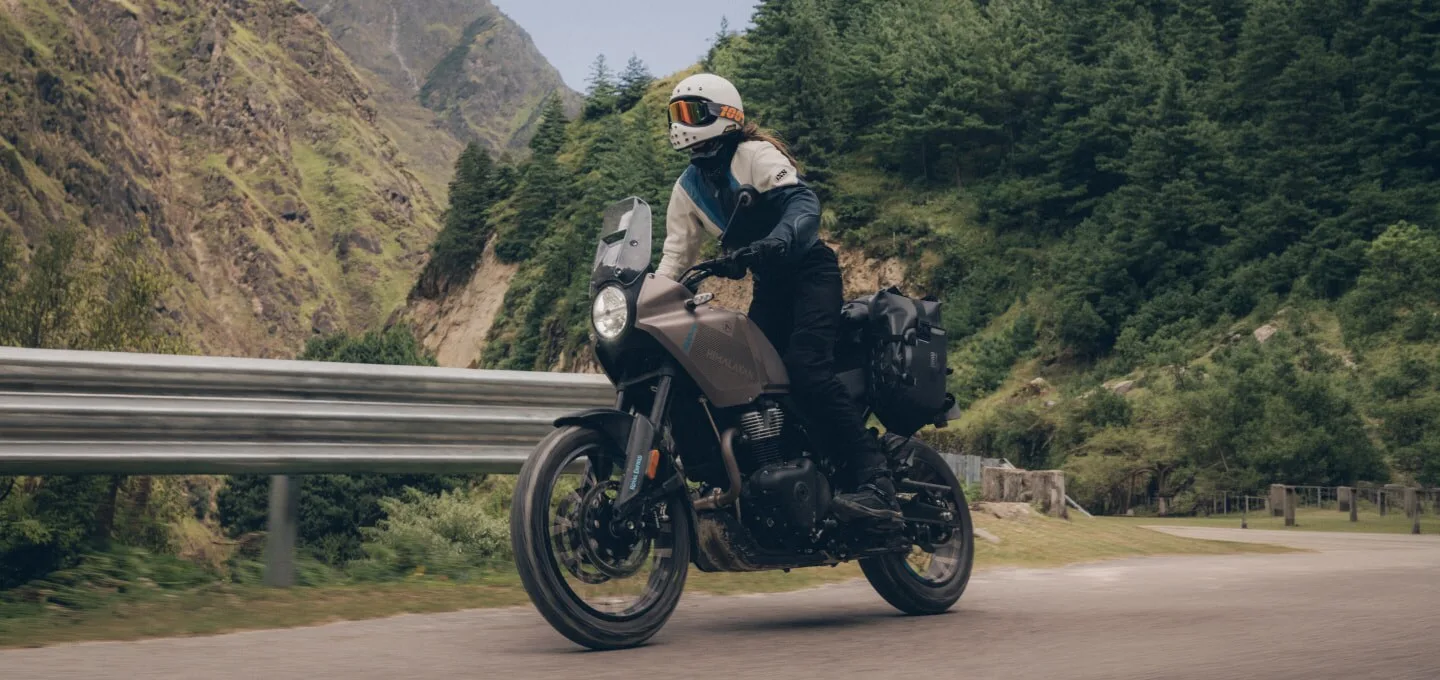
Royal Enfield has published a detailed specification for the Himalayan 750, giving its adventure range a larger twin-cylinder option. The new information identifies a 743 cc engine, 55 PS and 63 Nm, along with a 19-inch front wheel and 17-inch rear. It provides a more useful basis for comparison than the displacement-based speculation that preceded the motorcycle's EICMA appearance.
For Canadian riders, the most interesting point is the intended balance. The official comparison positions the 750 around long-distance touring, while the smaller Himalayan 450 remains the more overtly all-terrain proposition. The larger number should therefore be read as a different set of priorities, rather than proof that the new motorcycle is automatically better on every trail.
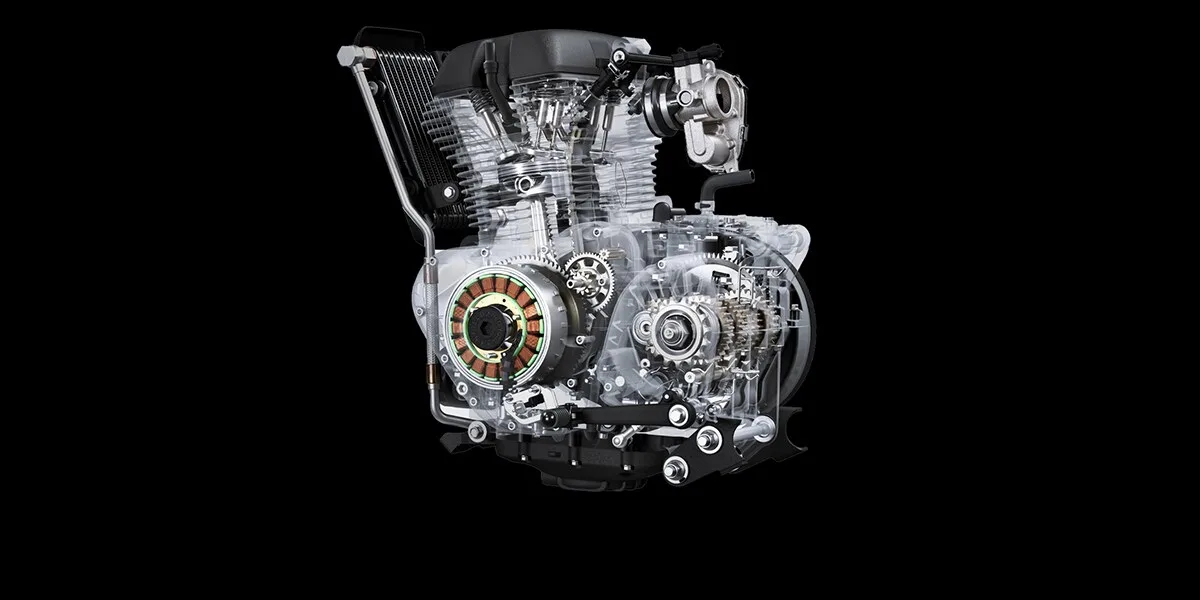
A touring-oriented twin
The official Indian product page specifies an air-oil-cooled twin with a six-speed gearbox. Peak power is listed at 7,000 rpm and peak torque at 5,000 rpm. These are manufacturer figures for the published market specification, not Canadian homologation data or independent measurements.
The change to two cylinders creates a different engine proposition from the Himalayan 450's single. What matters to a touring rider will be the delivery at ordinary road speeds, the response when carrying luggage and how easily the gearbox keeps the engine in a comfortable operating range. Peak output is only one part of that assessment.
An evaluation should also include heat management in slow traffic and vibration through the seat, handlebar and footpegs. Neither can be established from a specification table. A motorcycle that feels comfortable for a short urban demonstration can feel different after an extended highway section, particularly when the rider spends a long time at a similar engine speed.
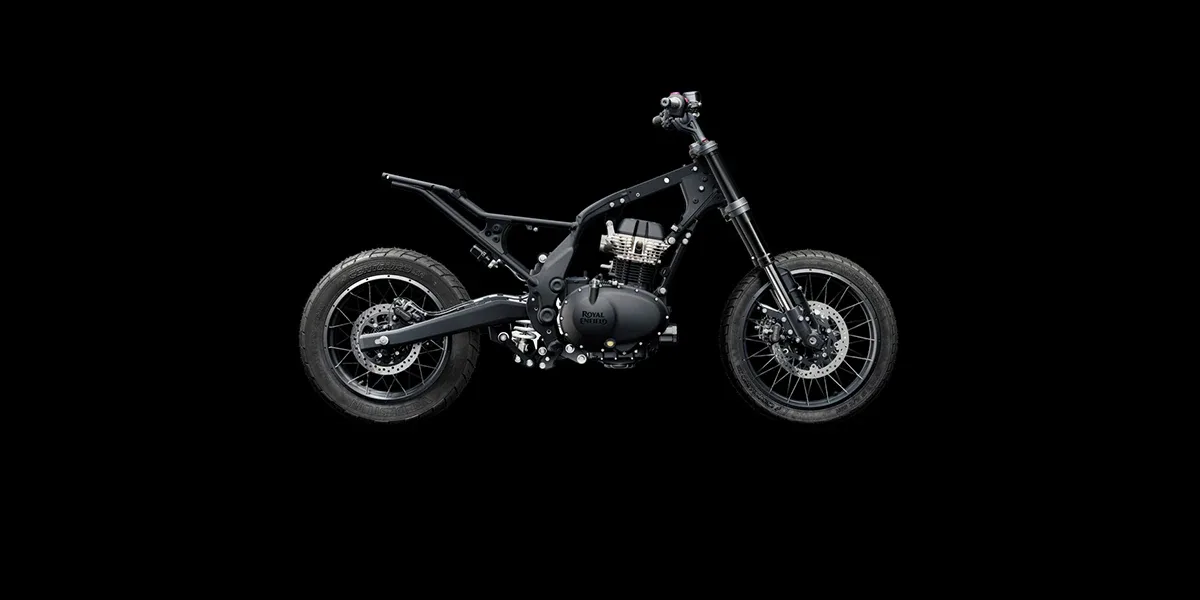
Bigger does not mean lighter
Royal Enfield lists 224 kg with 90 per cent fuel and oil, an 815 mm seat and a 17.8-litre tank. The same official comparison gives the Himalayan 450 a taller seat range and greater ground clearance. Those distinctions explain why the two motorcycles need to be considered separately instead of treating the 750 as a direct upgrade in every category.
The larger motorcycle's mass becomes particularly relevant during low-speed manoeuvres, parking and recovery after a stop on uneven ground. A comfortable seat height can help ground reach, but it does not make the weight disappear. Prospective owners should check how naturally they can balance the machine with their feet down and move it through their usual storage space.
Touring load also changes the equation. A passenger, luggage and accessories add up, so the published payload information and the load limits for individual racks deserve attention. Placing heavy items high and far behind the rider can affect handling even when the overall permitted load has not been exceeded.
Wheels and suspension define the compromise
The specification lists 190 mm of front travel, 175 mm at the rear and 205 mm of ground clearance. It describes tubeless tyres with cast-alloy and spoked-wheel options. Buyers should confirm which wheel configuration applies to the version offered in their market rather than assuming every Himalayan 750 will have identical rims.
A 19-inch front wheel is a different choice from the 21-inch front on the Himalayan 450. That distinction is useful for understanding the touring emphasis, but it does not justify a blanket conclusion about handling. Tyre construction, steering geometry, suspension settings and load all contribute to how a motorcycle changes direction or crosses loose ground.
For riders whose trips mix long paved approaches with maintained gravel, the relevant test is consistency across both environments. A comfortable highway ride is valuable, but so is enough standing room and control access when the surface deteriorates. Routes involving deep ruts or repeated technical obstacles place more emphasis on clearance and suspension travel.
Equipment needs a market-specific reading
The official page lists cruise control, riding modes, cornering ABS and lean-sensitive traction control among the equipment. It also describes a round TFT and navigation connectivity. These features broaden the touring proposition, although the Canadian package and the operation of connected services require local confirmation.
Cruise control may be useful on long stretches of open road, while clear navigation can reduce the need to stop and consult a phone. Both depend on good control design and an understanding of their limitations. A rider should learn how to cancel cruise control, change modes and recover the main display before setting off on an unfamiliar route.
The published specification is a substantial step forward in understanding the Himalayan 750. It supports a clear description of a heavier, touring-oriented twin with a different wheel and suspension package from the 450. Canadian price, arrival timing and final equipment should be established through the local distributor. Until then, the useful comparison is about the kind of journey each Himalayan is designed to serve.