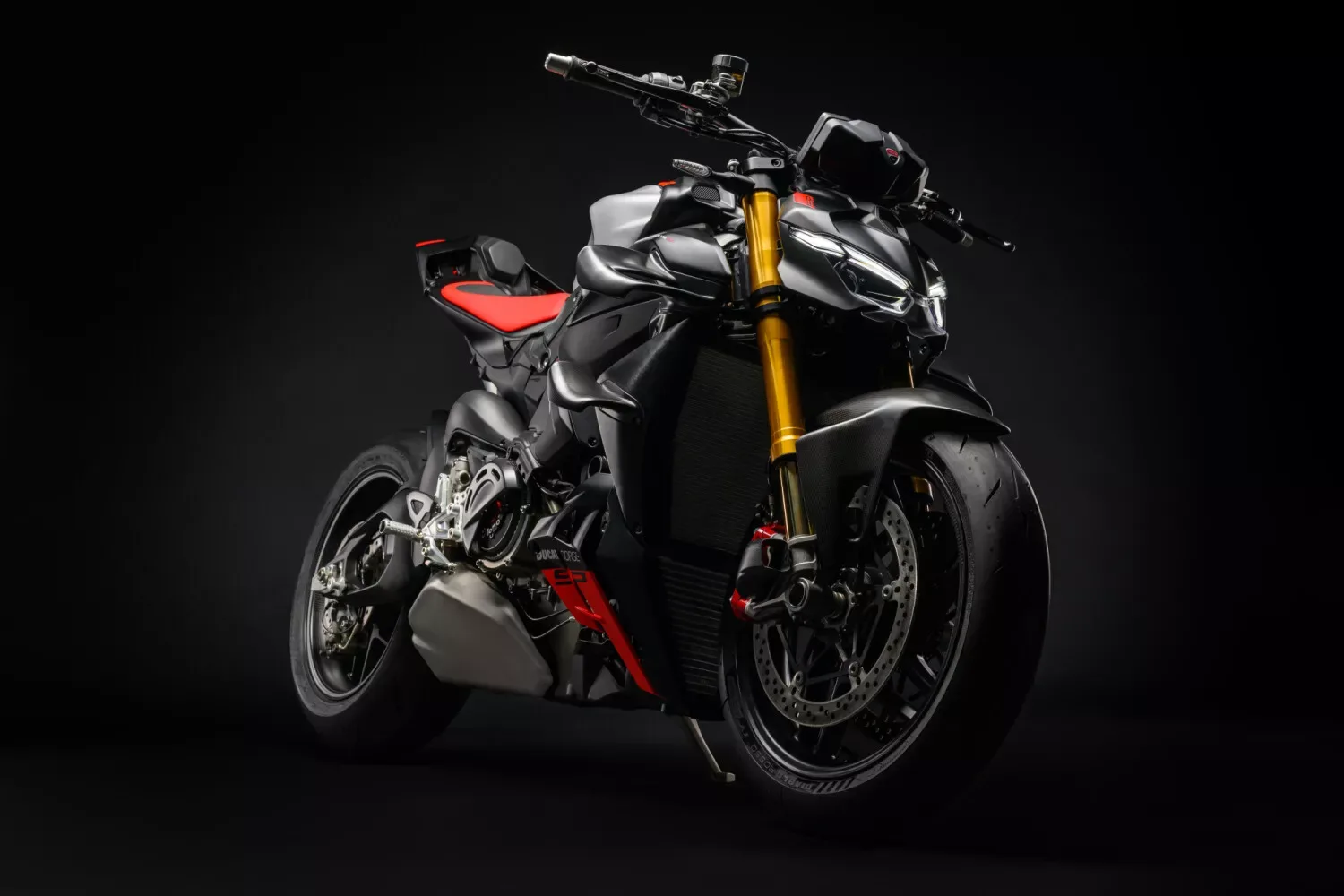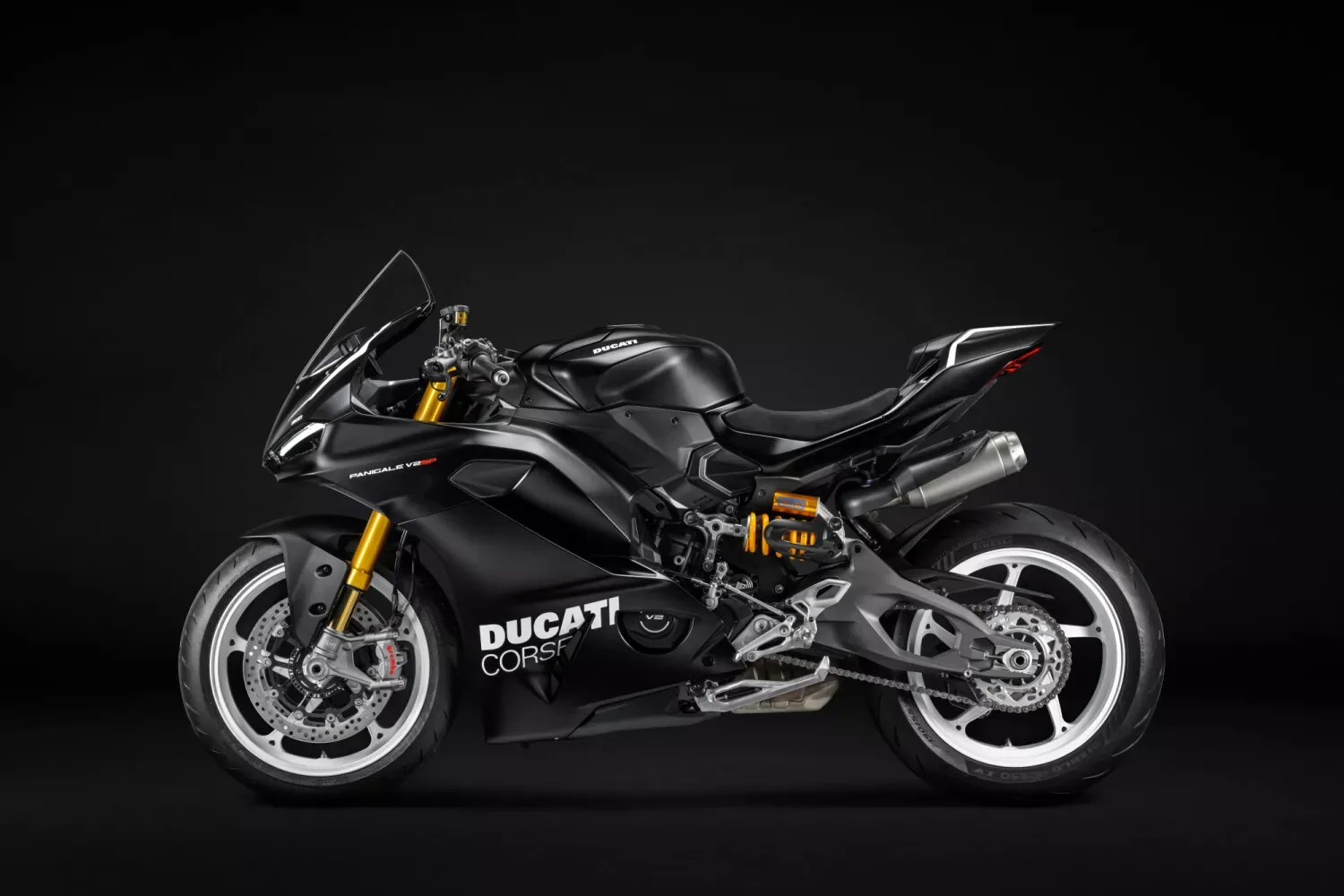
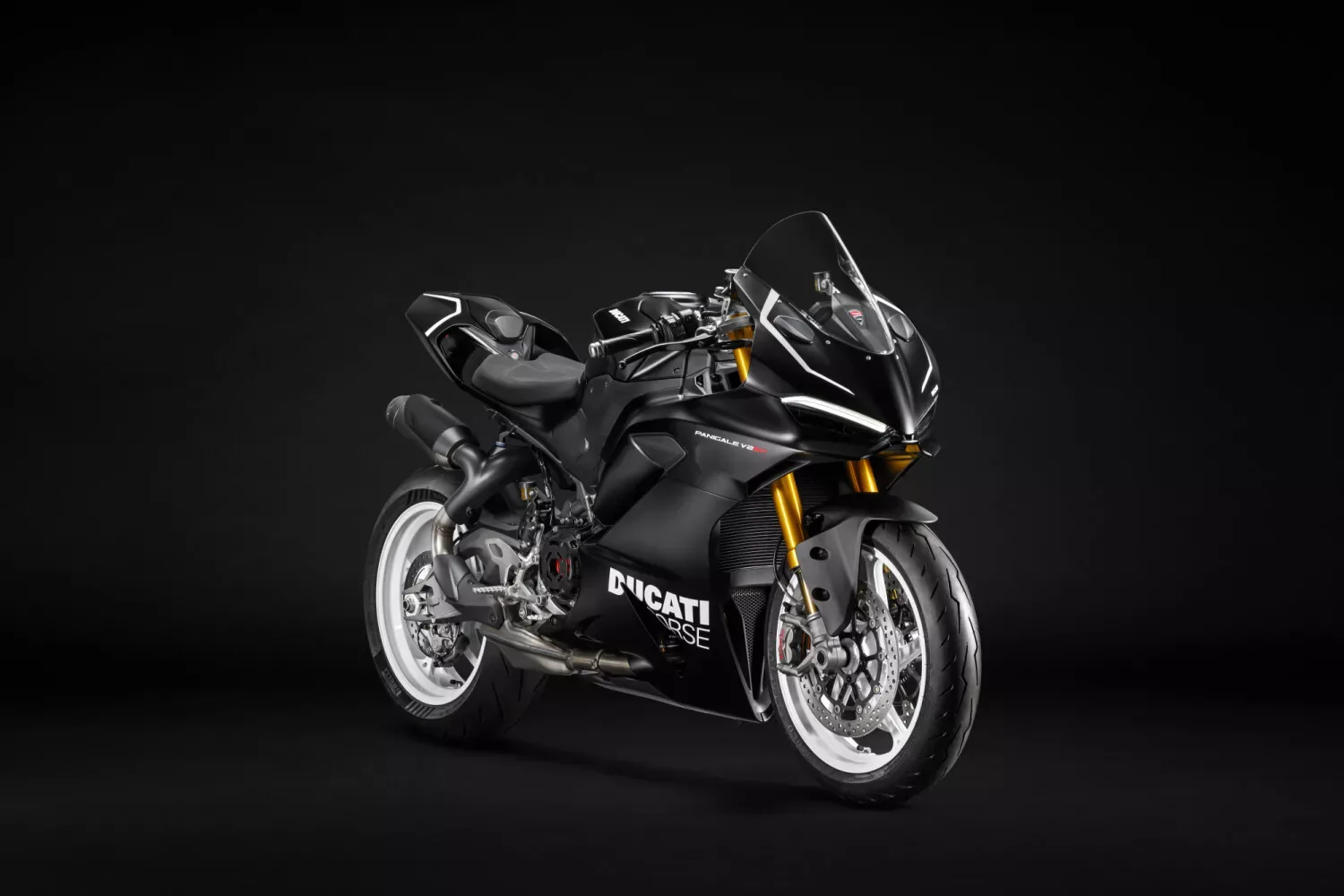
Ducati has introduced the Panigale V2 SP as a production basis for its next World Supersport programme, adding a more specialised version to the V2 range for 2027. Revealed on November 2, the motorcycle is based on the V2 S and incorporates changes to the chassis, wheels and clutch. It is a distinct model from the new Panigale V4 SP, despite sharing the SP designation and Winter Test visual theme.
The Canadian product page lists a price of $24,995. That gives local buyers a useful starting point for comparison, although the final dealer quotation must establish the full purchase total, selected accessories and delivery terms. The announcement's racing connection should also be understood as an intended competition role rather than a guarantee of results.
Homologation is the reason for the changes
Ducati describes the V2 SP as a motorcycle created to validate technical solutions for the V2 family's competition use. Its announced specification includes a longer swingarm, forged wheels and a dry clutch, alongside Öhlins suspension. These are changes with specific functions, rather than simply a collection of premium brand names.
A longer swingarm can alter how the chassis manages acceleration and load transfer. Lighter wheels can influence steering response and suspension behaviour. The clutch arrangement serves another set of demands. The eventual result depends on how the components work together, which is why a parts list alone cannot establish lap-time improvement.
For an owner interested in racing, the model's intended role is relevant but only the beginning. Eligibility is determined by the rules of the chosen championship, and those rules may restrict modifications or require particular equipment. A production homologation model still needs preparation for the actual event in which it will be used.
The V2 remains a separate proposition
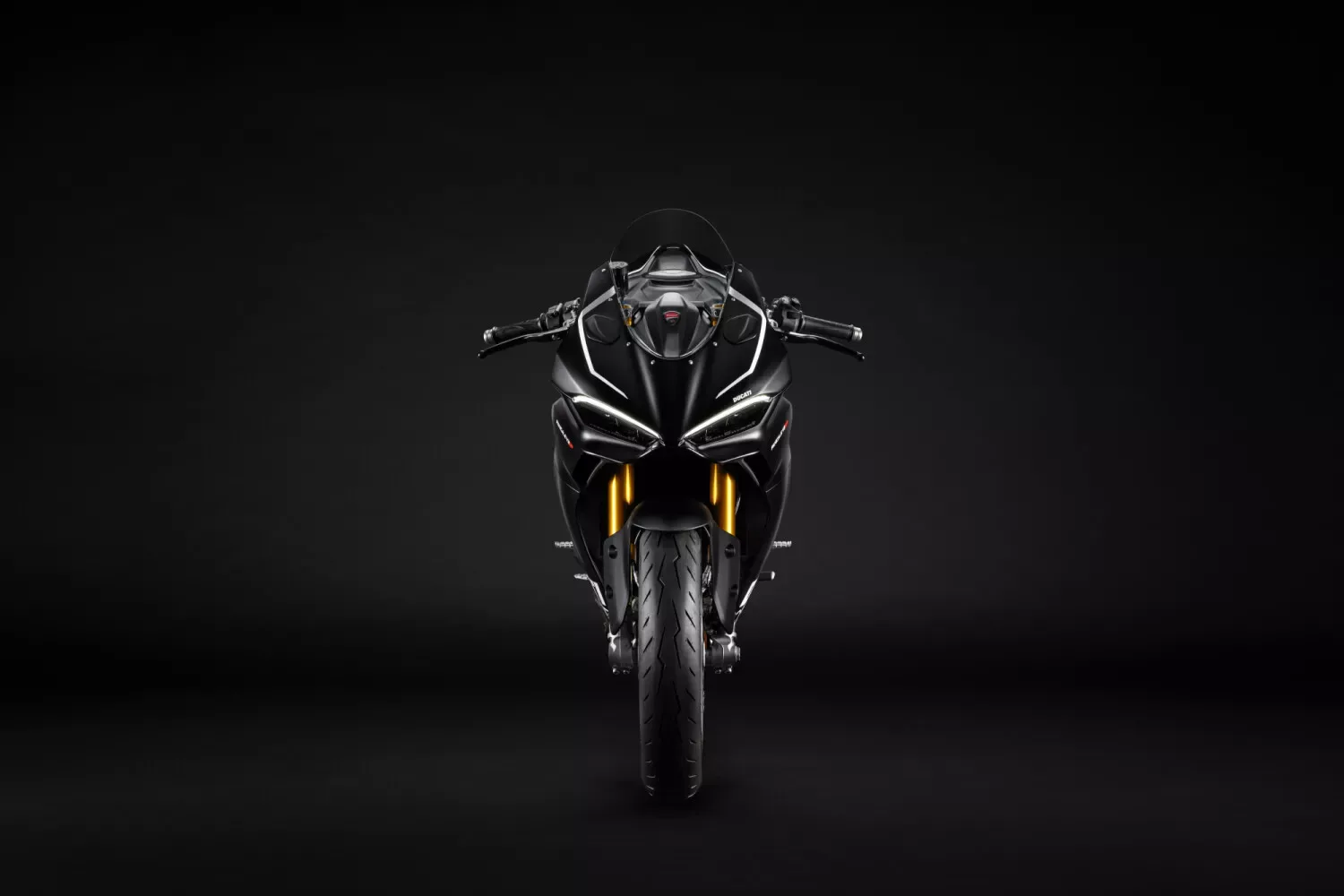
The official page specifies an 890 cc engine with variable intake-valve timing, 120 metric horsepower and 93.3 Nm. It gives a wet weight without fuel of 176 kg. These figures should be kept separate from both older Panigale V2 specifications and the much more powerful V4 family's data.
That distinction matters for riders comparing the two SP models. The V2 offers its own balance of engine response, chassis demands and operating cost. Choosing it need not mean treating it as a temporary step toward a V4. A motorcycle that allows a rider to work confidently on braking, corner speed and throttle application can be a long-term choice in its own right.
The published 873 mm seat height also makes a fit assessment worthwhile. Track-oriented body positioning can ask for different movement from a road-focused seat and handlebar arrangement. Riders should check the reach to the controls, room to move rearward and whether they can support themselves comfortably through the footpegs.
Suspension and brakes reward a clear setup
The V2 SP's component list includes a 43 mm Öhlins NIX30 fork, an Öhlins rear shock and Brembo M50 front calipers working on 320 mm discs. The equipment provides adjustment and braking capability, but an owner still needs a baseline appropriate to rider mass, tyres and intended use.
For someone learning circuit setup, consistency is more valuable than constant experimentation. Recording cold and hot tyre pressures, noting damping positions and changing one variable at a time makes the result easier to understand. A specialist can then work from a clear description of the motorcycle's behaviour rather than a vague request for a firmer or softer ride.
Brake feel is similarly personal. Lever reach, pad choice and the way a rider applies pressure influence confidence. A high-specification caliper does not remove the need for inspection, fluid maintenance or a gradual warm-up. Those fundamentals remain part of track ownership regardless of the edition name on the fairing.
Electronics support the riding task
Ducati lists a five-inch TFT, adjustable rider aids, Quick Shift 2.0, Power Launch and Pit Limiter among the equipment. The useful question is how clearly the rider can understand and operate those functions. A pit limiter, for example, serves a defined paddock task; it is not a substitute for observing the organiser's instructions.
For Canadian buyers who expect a mixture of road and circuit riding, the final specification should be checked against that intended use. Exhaust configuration, event noise requirements, insurance and the availability of replacement parts can all affect the ownership experience. A realistic seasonal budget should include those costs alongside the purchase price.
The V2 SP's significance is the direct link between a production model and Ducati's planned Supersport development. It gives the V2 range a clearer specialist option, with a Canadian price and identifiable chassis changes. Its value will be strongest for riders who want that particular balance and will use the equipment as part of a deliberate riding or racing programme.